


Strainer 80 Micron
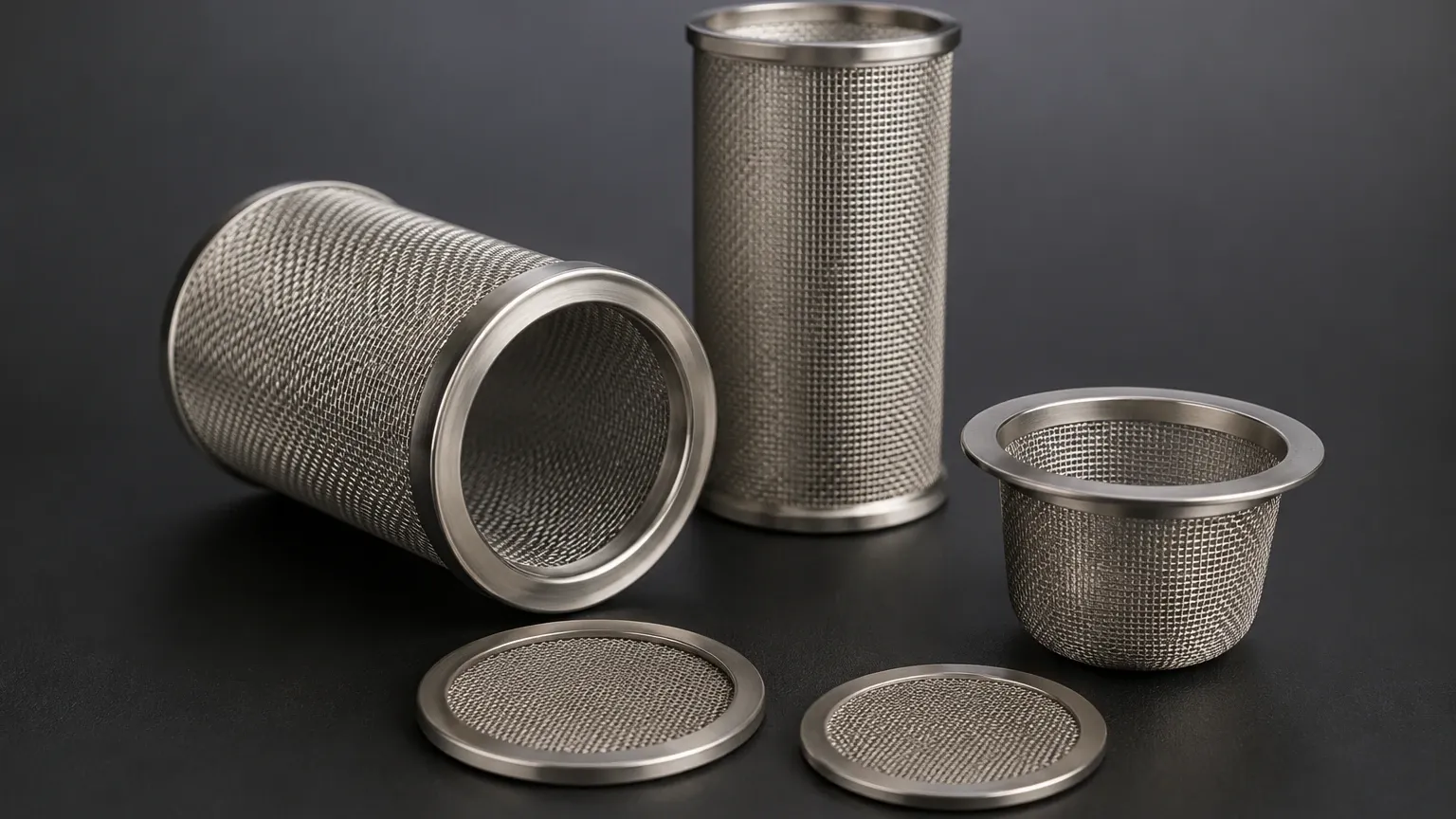
In industrial fluid handling, precision is the primary determinant of system longevity and product quality. A strainer 80 micron configuration represents a specific threshold in fine filtration, bridging the gap between coarse straining and fine cartridge filtration. At this level, the filtration media is designed to capture particles as small as 0.08 millimeters, which is roughly equivalent to the diameter of a human hair. For engineers and procurement teams, selecting the correct Strainers & Baskets involves more than just identifying a micron rating; it requires a deep understanding of mesh geometry, material compatibility, and the hydraulic impact on the overall system.
Understanding the 80 Micron Specification
The term "80 micron" refers to the pore size or the distance between the wires of the filter media. In the context of stainless steel wire mesh, which is the most common material for these applications, an 80-micron rating typically corresponds to a mesh count between 180 and 200. The exact mesh count depends on the wire diameter used during the weaving process.
When specifying a strainer 80 micron component, it is essential to distinguish between nominal and absolute filtration. A nominal 80-micron rating suggests that the filter will retain the majority of particles at that size, whereas an absolute rating implies a 99% or higher retention rate. For critical industrial processes, such as protecting high-pressure nozzles or sensitive instrumentation, absolute ratings are often preferred to ensure consistent performance.
Mesh Count and Wire Diameter
To achieve an 80-micron opening, manufacturers must balance the wire diameter with the number of wires per inch. A thinner wire increases the open area, which reduces the initial pressure drop across the strainer but may compromise the structural integrity of the basket under high differential pressures. Conversely, a thicker wire provides a more robust basket but reduces the total flow capacity (open area), leading to more frequent cleaning cycles.
Engineering Considerations for Strainers & Baskets
The performance of a strainer 80 micron element is heavily influenced by the housing and the internal basket design. Industrial strainers are generally categorized into simplex, duplex, and Y-strainer configurations. Each serves a specific operational need:
* Simplex Strainers: Used in batch processes where the flow can be interrupted to clean the basket.
* Duplex Strainers: Feature two separate chambers, allowing for continuous operation. When one basket reaches its dirt-holding capacity, the flow is diverted to the second chamber, enabling the first to be cleaned without system downtime.
* Y-Strainers: Typically used for steam or gas applications, or in liquid applications where the amount of solids to be removed is relatively small.
Open Area Ratio (OAR)
One of the most critical metrics in filtration engineering is the Open Area Ratio. This is the ratio between the total area of the openings in the mesh and the internal cross-sectional area of the inlet pipe. For a strainer 80 micron application, a high OAR (typically 4:1 or 6:1) is desirable. A higher ratio ensures that even as the mesh begins to capture debris, the pressure drop remains within acceptable limits for a longer period, extending the service interval.
Material Selection and Chemical Compatibility
Stainless steel is the industry standard for 80-micron filtration due to its mechanical strength and resistance to corrosion. Kaifil specializes in utilizing high-grade alloys to ensure durability in demanding environments.
1. Stainless Steel 304: Suitable for most general-purpose applications, including water treatment and food processing, where moderate corrosion resistance is required.
2. Stainless Steel 316L: The "L" stands for low carbon, which improves weldability and resistance to intergranular corrosion. This material is essential for chemical processing, pharmaceutical manufacturing, and marine environments where exposure to chlorides or organic acids is common.
3. Specialty Alloys: In highly aggressive environments, such as those involving high-concentration sulfuric acid or high-temperature steam, Hastelloy or Monel may be used, though these are less common for standard 80-micron mesh designs.
Beyond the mesh itself, the frame and support structures of the Strainers & Baskets must be equally resilient. Precision welding and reinforced bindings are necessary to prevent the fine 80-micron mesh from tearing or bypassing under the force of the fluid flow.
Pressure Drop and Flow Dynamics
Every filtration element introduces a restriction into the fluid path, resulting in a pressure drop (Delta P). For a strainer 80 micron, the pressure drop is a function of fluid viscosity, flow velocity, and the percentage of the mesh that is currently obstructed by contaminants.
Calculating Clean Pressure Drop
Engineers must calculate the clean pressure drop to ensure the pump system has sufficient head to overcome the resistance. As the strainer captures particles, the effective open area decreases, and the pressure drop increases exponentially. Most industrial systems are equipped with differential pressure gauges. A common rule of thumb is to clean or replace the strainer basket when the differential pressure reaches 5-10 psi above the clean starting pressure.
Managing High Viscosity
If the fluid is highly viscous (such as heavy oils or resins), an 80-micron strainer will exhibit a significantly higher pressure drop than it would with water. In these cases, it may be necessary to increase the size of the strainer housing or use a pleated mesh design to increase the total surface area, thereby lowering the flux rate (flow per unit area).
Industrial Applications of 80 Micron Filtration
The 80-micron threshold is a versatile specification used across various sectors to protect downstream equipment and ensure product purity.
* Chemical Processing: Protecting pumps and valves from particulate matter that could cause mechanical seal failure or abrasive wear.
* Food and Beverage: Removing fine sediment from juices, syrups, or oils to meet clarity standards and protect bottling equipment.
* Pharmaceuticals: Serving as a pre-filter for more expensive membrane filters, capturing larger aggregates and extending the life of the final filtration stage.
* Hydraulic Systems: Maintaining the cleanliness of hydraulic fluids to prevent the sticking of servo-valves and the wear of high-precision cylinders.
* Water Treatment: Removing fine sand, scale, and organic debris from cooling tower water or process intake water.
Maintenance and Cleaning Protocols
Because a strainer 80 micron is a fine filter, it is more susceptible to "blinding"—a condition where particles become lodged within the mesh openings rather than just sitting on the surface. Proper maintenance is critical to maintaining flow efficiency.
Cleaning Methods
* Manual Cleaning: The basket is removed and rinsed with a high-pressure water jet or air blast from the outside in (backwashing).
* Ultrasonic Cleaning: For stubborn contaminants or delicate 80-micron mesh, ultrasonic baths can effectively dislodge particles without causing mechanical damage to the wire structure.
* Chemical Soaking: In applications involving resins or organic buildup, soaking the basket in a compatible solvent may be necessary before mechanical cleaning.
Inspection for Wear
During cleaning, the mesh should be inspected for signs of "wire shifting" or fatigue. Even small gaps in the 80-micron weave can allow oversized particles to pass through, potentially damaging downstream components. If the mesh appears distorted or if there are visible pinholes, the basket should be replaced immediately.
Customization and OEM Solutions
Standard off-the-shelf strainers may not always meet the specific geometric or structural requirements of a unique industrial system. Customization is often required in terms of:
* Flange Connections: Matching existing piping standards (ANSI, DIN, JIS).
* Reinforced Liners: Adding a perforated metal backup to the 80-micron mesh to withstand high-pressure surges.
* Handle Designs: Incorporating specialized lifting handles or magnets to capture ferrous particles.
As a manufacturer, Kaifil provides tailored Strainers & Baskets that address these specific engineering challenges. By controlling the manufacturing process from material selection to final assembly, it is possible to ensure that the 80-micron rating is maintained across the entire surface area of the filter, providing reliable protection for industrial assets.
Conclusion: Selecting the Right 80 Micron Solution
Choosing a strainer 80 micron component is a balance between filtration efficiency and operational cost. While a finer mesh provides better protection, it also requires more frequent maintenance and creates a higher pressure drop. Engineers must evaluate the particle size distribution of the contaminants in their fluid stream to determine if 80 microns is the optimal choice.
When the goal is to protect high-precision machinery or ensure the clarity of a liquid product, the 80-micron strainer remains one of the most effective tools in the industrial filtration toolkit. By focusing on high-quality stainless steel construction and optimized basket design, facilities can achieve a lower total cost of ownership through reduced downtime and extended equipment life.
