


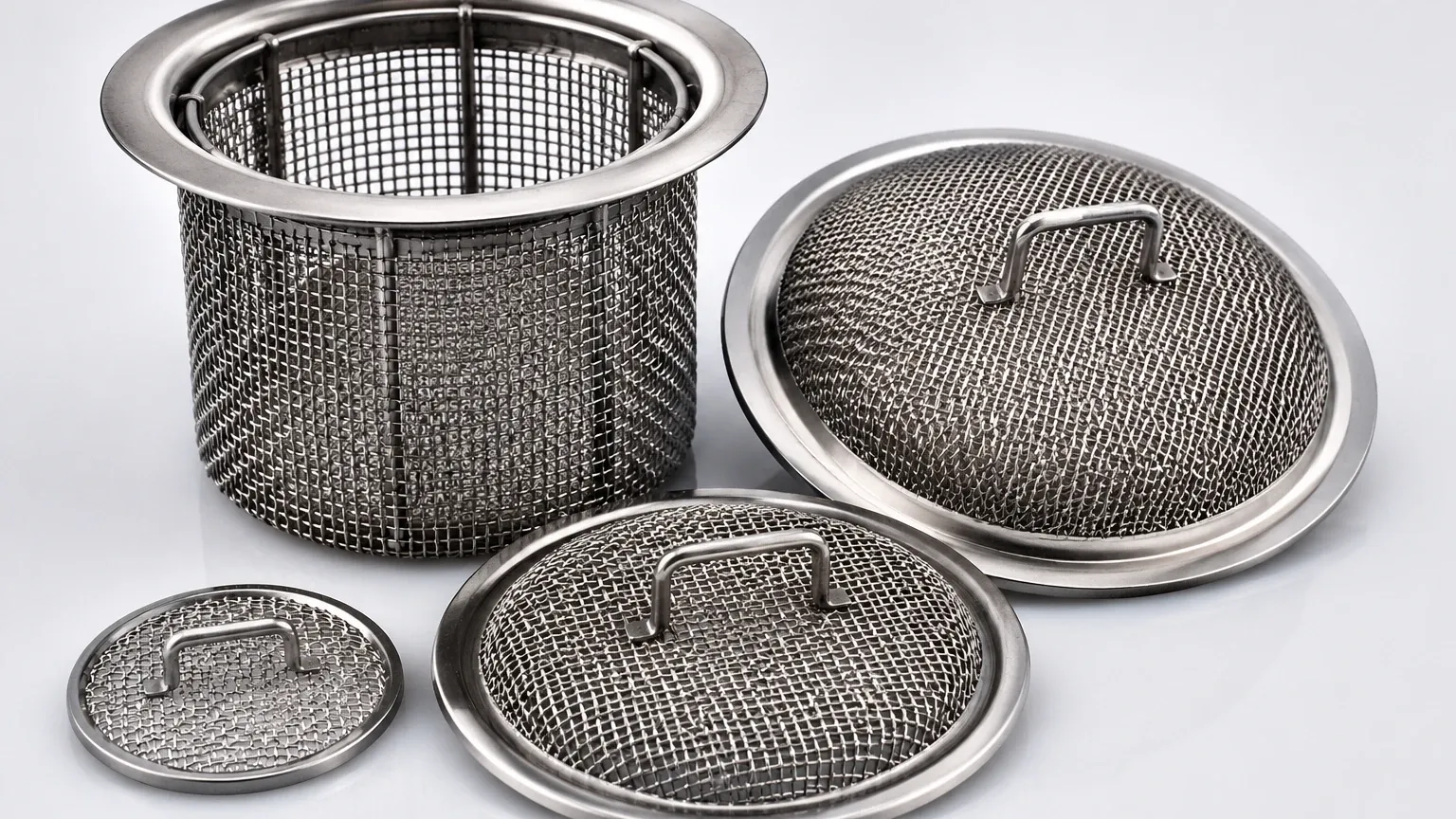
Strainer Basket Cover
In industrial fluid handling, the integrity of a filtration system depends not only on the internal mesh or perforated element but also on the robust design of the housing. A critical component of this assembly is the strainer basket cover. Serving as the primary pressure-retaining closure for the housing, the cover ensures that the system remains sealed under operational loads while providing the necessary access for routine maintenance and debris removal.
For engineers and procurement teams sourcing Strainers & Baskets, understanding the nuances of cover design, material compatibility, and closure mechanisms is essential for optimizing system uptime and ensuring operator safety. This guide examines the technical considerations surrounding the strainer basket cover, from mechanical configurations to maintenance protocols in demanding industrial environments.
The Functional Role of the Strainer Basket Cover
The primary function of a strainer basket cover is to provide a leak-proof seal for the strainer housing. In a typical simplex or duplex strainer setup, fluid enters the housing, passes through a basket-style filter element, and exits through the outlet. The cover must withstand the full internal pressure of the process fluid, which can range from low-pressure gravity feeds to high-pressure hydraulic or chemical lines.
Beyond pressure containment, the cover acts as the gateway for maintenance. Because basket strainers are designed to collect large volumes of solids, they require periodic cleaning. The design of the cover directly impacts the "Mean Time To Repair" (MTTR). A poorly designed or inappropriately selected cover can lead to extended downtime, fluid loss, or safety hazards during the opening sequence.
Types of Cover Closure Mechanisms
Selecting the right closure mechanism for a strainer basket cover depends on the operating pressure, the frequency of cleaning, and the specific safety requirements of the facility. Manufacturers like Kaifil offer several configurations to meet these varying needs.
1. Bolted Covers
Bolted covers are the standard for high-pressure applications. They utilize a series of studs and nuts distributed around the circumference of the flange to provide uniform compression on the gasket. While they offer the highest level of structural integrity, they are the most time-consuming to open. They are typically reserved for systems where cleaning is infrequent or where the operating pressure exceeds the limits of quick-opening designs.
2. Swing-Bolt Closures
Swing-bolt covers are a popular choice for industrial Strainers & Baskets that require regular servicing. The bolts are permanently attached to the housing via a pivot pin. To open the cover, the operator simply loosens the nuts and swings the bolts out of the way. This eliminates the risk of losing hardware and significantly reduces the time required to access the basket. This design is ideal for batch processing or cooling water systems with high debris loads.
3. Quick-Opening T-Bolt Closures
For applications requiring the fastest possible access, T-bolt closures utilize a hand-operated handle or a single-bolt mechanism. These are common in low-to-medium pressure environments. While highly efficient, they require careful engineering to ensure that the seal remains tight under thermal cycling or vibration.
4. Threaded Covers
Commonly found on smaller, compact strainers, threaded covers screw directly into the housing body. While simple and cost-effective, they are prone to galling if the materials are not properly selected (e.g., stainless steel on stainless steel) and can be difficult to remove if the threads become fouled with process debris.
Material Selection and Corrosion Resistance
The material of the strainer basket cover must match or exceed the specifications of the housing and the internal basket. In most industrial settings, stainless steel is the preferred material due to its mechanical strength and chemical resistance.
* SS304: Suitable for general-purpose applications, including water treatment and non-corrosive industrial fluids. It provides excellent structural support and durability.
* SS316/316L: Required for chemical processing, pharmaceutical, and food and beverage applications. The addition of molybdenum enhances resistance to pitting and crevice corrosion, particularly in chloride-rich environments.
* Specialty Alloys: For highly aggressive media, covers may be fabricated from Duplex stainless steel or Hastelloy to ensure long-term integrity.
In addition to the metal components, the sealing element (gasket or O-ring) is a vital part of the cover assembly. Common materials include EPDM for water, Viton (FKM) for high temperatures and chemicals, and PTFE for universal chemical compatibility. The choice of seal material must account for the maximum operating temperature and the chemical nature of the fluid to prevent swelling or degradation that could lead to a breach.
Engineering Considerations: Pressure and Safety
When specifying a strainer basket cover, engineers must evaluate several technical parameters to ensure the component is fit for purpose.
Pressure Ratings and Compliance
Covers must be rated to handle the maximum allowable working pressure (MAWP) of the system. In many jurisdictions, industrial strainers must comply with ASME Section VIII Division 1 or similar international standards for pressure vessels. This involves rigorous calculations for cover thickness, bolt torque requirements, and flange dimensions.
Venting and Draining
An overlooked aspect of the strainer basket cover is the inclusion of vent ports. A vent plug on the top of the cover allows operators to bleed air from the system during start-up and, more importantly, to relieve internal pressure before opening the cover for maintenance. Attempting to open a pressurized cover is a major safety risk; therefore, integrated vent valves are often a standard requirement in professional filtration setups.
Ergonomics and Handling
In larger industrial systems, the weight of a stainless steel strainer basket cover can be substantial. To prevent operator injury and equipment damage, heavy covers may be equipped with davit arms or counterweighted hinges. A davit arm allows the cover to be lifted and swung to the side without the need for external rigging or overhead cranes, facilitating safer and faster basket replacement.
Common Risks and Failure Modes
Understanding the potential failure points of a strainer basket cover can help in developing effective preventive maintenance programs.
1. Gasket Bypass and Leaks: The most common issue is a failure of the seal. This can be caused by over-tightening (which crushes the gasket), under-tightening, or the accumulation of debris on the sealing surface. If the cover does not seat perfectly, process fluid can bypass the seal, leading to external leaks or internal fluid bypass.
2. Thread Galling: In threaded or bolted configurations using stainless steel, galling (cold welding) can occur if the threads are not lubricated or if they are forced. This can seize the cover in place, requiring destructive removal.
3. Deformation: Under extreme pressure spikes or water hammer events, a cover that is under-specified for the application may undergo permanent deformation, compromising its ability to hold a seal in the future.
4. Corrosion Under Insulation (CUI): If the strainer is insulated for thermal management, moisture can trap against the cover and bolts, leading to localized corrosion that is hidden from view during routine inspections.
Maintenance and Best Practices
To ensure the longevity of Strainers & Baskets and their associated covers, a structured maintenance approach is required.
* Pre-Opening Safety: Always verify that the strainer is isolated from the flow and that the internal pressure has been fully vented through the cover's vent port.
* Sealing Surface Inspection: Every time the cover is removed, the machined sealing surfaces on both the housing and the cover should be inspected for scratches, pits, or debris. Even a small piece of grit can prevent a proper seal.
* Gasket Replacement: Gaskets and O-rings should be treated as consumables. It is best practice to replace the seal whenever the cover is opened, as the material may have taken a "set" under compression and may not reseal effectively.
* Lubrication: For swing bolts and threaded components, apply a food-grade or industrial-grade anti-seize lubricant to prevent galling and ensure ease of operation during the next maintenance cycle.
Technical Specifications for Procurement
Before purchasing or requesting a custom strainer basket cover, technical professionals should confirm the following data points with the manufacturer:
* Housing Connection Size: Ensure the cover matches the flange or thread size of the existing housing.
* Operating Temperature and Pressure: Define the normal and maximum limits.
* Media Compatibility: Confirm that both the metal and the elastomer seals are compatible with the process fluid.
* Closure Preference: Determine if a bolted, swing-bolt, or quick-opening design is required based on maintenance frequency.
* Porting Requirements: Specify if additional NPT or flanged ports are needed on the cover for pressure gauges, vents, or sensors.
By focusing on these technical details, engineering teams can secure filtration solutions that provide reliable performance, minimize downtime, and maintain a safe working environment. Kaifil’s expertise in manufacturing custom stainless steel filtration components ensures that every strainer basket cover is engineered to meet the rigorous demands of modern industrial processing.
