


Strainer Basket for Frying
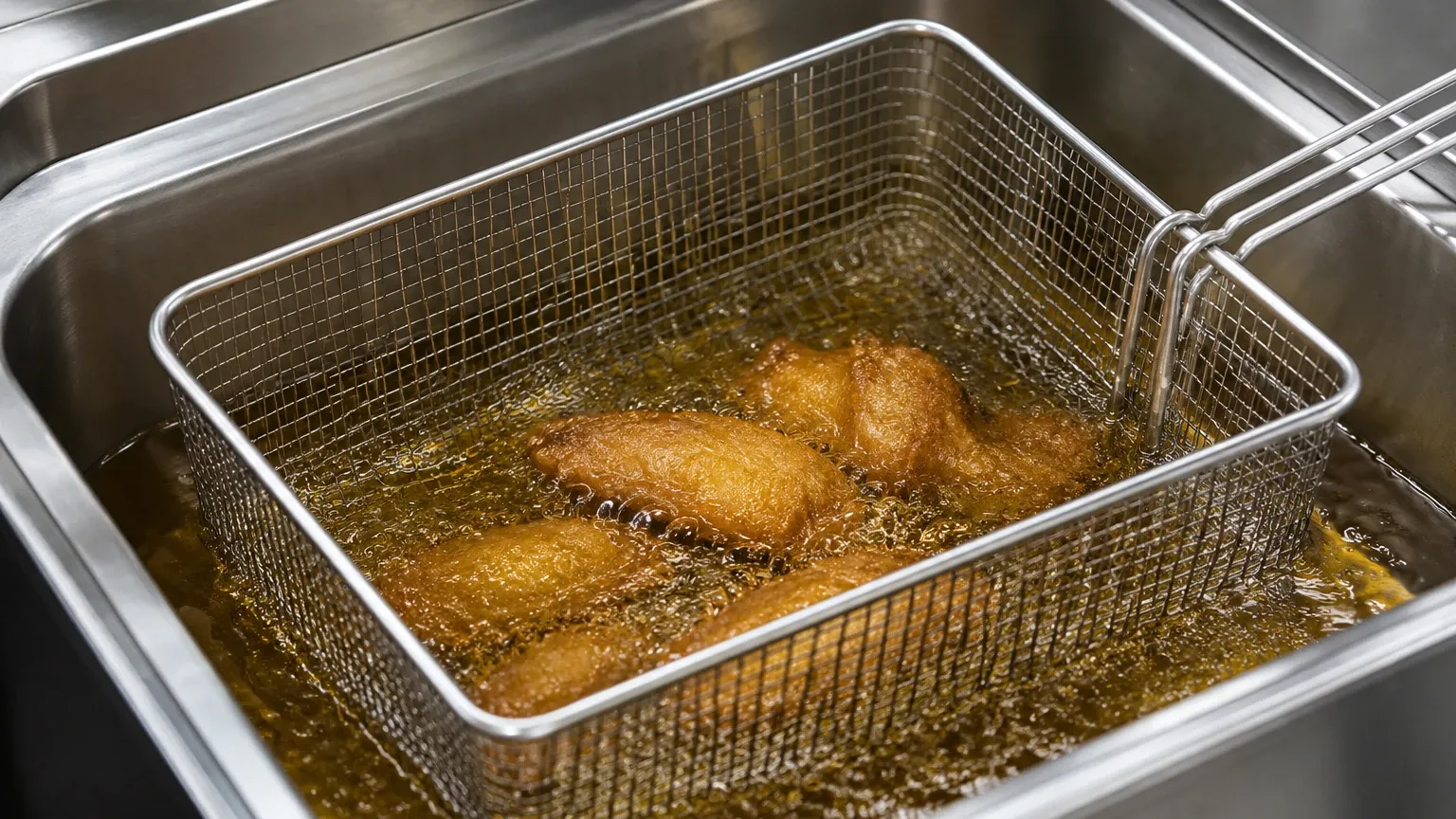
In industrial food processing, the efficiency of frying operations is dictated not only by temperature control and oil quality but also by the mechanical components that facilitate product handling and sediment removal. A high-quality strainer basket for frying is a critical component in large-scale batch and continuous frying systems. These components must withstand extreme thermal cycling, corrosive fatty acids, and rigorous cleaning protocols while maintaining structural integrity and precise filtration parameters.
For engineers and procurement professionals, selecting the right Strainers & Baskets involves understanding the intersection of material science, fluid dynamics, and mechanical design. This guide explores the technical requirements for industrial frying baskets, focusing on how specialized manufacturing ensures process reliability and product consistency.
Material Science: Why Stainless Steel is Essential
The environment within an industrial fryer is exceptionally demanding. Temperatures typically range between 150°C and 190°C (300°F to 375°F), and the presence of moisture, salt, and organic acids creates a highly corrosive atmosphere. Consequently, material selection is the first and most critical decision in the engineering of a strainer basket for frying.
Grade 304 vs. Grade 316 Stainless Steel
Most industrial frying baskets are constructed from Grade 304 stainless steel. It offers excellent durability and corrosion resistance for standard food processing applications. However, in environments with high salt content or specialized chemical additives, Grade 316 stainless steel is often preferred. The addition of molybdenum in 316 provides superior resistance to chloride-induced pitting, which is essential for preserving the longevity of the mesh and frame in heavy-duty applications.
Thermal Stability and Food Safety
Stainless steel is non-reactive and does not leach metallic ions into the frying oil, ensuring that the flavor profile of the food remains untainted. Furthermore, its thermal expansion coefficient is well-understood, allowing engineers to design baskets that maintain their shape even after thousands of heating and cooling cycles. This prevents the warping that can lead to uneven frying or mechanical interference with automated conveyor systems.
Engineering the Ideal Strainer Basket for Frying
Designing a strainer basket for frying requires a balance between two competing factors: maximum oil flow and structural durability. The goal is to allow oil to circulate freely around the food product while ensuring that the basket can support the weight of the load without sagging or breaking.
Mesh Count and Wire Diameter
The "mesh count" refers to the number of openings per linear inch. For frying applications, the mesh must be fine enough to retain the product and large debris but coarse enough to allow rapid oil drainage. A common challenge in industrial frying is the accumulation of "fines"—small particles of breading or food tissue that fall off during the process. If the mesh is too fine, it may clog (blind) quickly; if it is too coarse, it allows these fines to circulate, where they eventually carbonize and degrade the oil quality.
Open Area Percentage
The "open area" is the ratio of the area of the openings to the total area of the mesh. A higher open area percentage facilitates faster oil drainage, which is crucial for reducing oil carry-over (the amount of oil that leaves the fryer with the product). Reducing oil carry-over not only lowers production costs but also results in a healthier, less greasy end product. Engineers at Kaifil optimize the wire diameter relative to the mesh opening to maximize this open area without compromising the tensile strength of the basket.
Structural Integrity and Load-Bearing Capacity
In a B2B context, a strainer basket for frying is rarely a standalone item; it is often part of a larger automated system. Therefore, the structural design must account for mechanical stress points.
Reinforcement Frames and Welding
Industrial baskets are typically built with a heavy-duty frame made of stainless steel rods or flat bars. The wire mesh is then securely welded to this frame. At Kaifil, advanced welding techniques such as TIG (Tungsten Inert Gas) or resistance spot welding are used to ensure that there are no sharp edges or crevices where food particles can become trapped. Smooth weld transitions are vital for both safety and sanitation (HACCP compliance).
Handle and Attachment Design
For manual or semi-automated operations, handle design is paramount. Handles must be ergonomically positioned and securely attached to manage the weight of the saturated product. In fully automated systems, the basket may feature specialized mounting brackets or flanges that interface with hydraulic lifts or overhead conveyors. These attachment points must be engineered to withstand the torque and vibration of the frying cycle.
Impact of Filtration on Oil Quality and Process Efficiency
The role of the strainer basket for frying extends beyond simply holding the product. It serves as the primary stage of filtration. In many industrial setups, the basket works in tandem with secondary oil filtration systems to maintain the chemical stability of the frying medium.
Preventing Carbonization
When food particles remain in the hot oil, they undergo carbonization. These charred particles act as catalysts for oil oxidation, leading to a rise in Free Fatty Acids (FFA) and the development of off-flavors and dark colors. By utilizing a precision-engineered strainer basket, processors can effectively remove larger debris before it breaks down into microscopic fines, thereby extending the life of the oil and reducing the frequency of oil changes.
Optimizing Heat Transfer
A well-designed basket ensures that the oil circulates evenly around every piece of food. If the mesh is poorly designed or the basket is overcrowded, "cold spots" can occur, leading to uneven cooking and potential food safety risks. The engineering of the mesh pattern is specifically calculated to promote turbulent flow, which enhances heat transfer and ensures a uniform golden-brown finish on the product.
Customization Parameters for Industrial OEM Applications
Every industrial frying application has unique requirements based on the product being processed—whether it is poultry, seafood, snacks, or vegetable-based proteins. Customization is where manufacturers like Kaifil provide the most value to engineers and purchasing teams.
Dimensional Tailoring
Standard sizes often fail to meet the specific throughput requirements of a high-volume production line. Custom dimensions allow for the optimization of the fryer's footprint. Whether the application requires a circular basket for batch processing or a long, rectangular trough-style basket for continuous lines, precise measurements are essential for seamless integration.
Specialized Coatings and Finishes
While raw stainless steel is the standard, some applications benefit from specialized finishes. Electropolishing, for example, removes a microscopic layer of material from the surface of the stainless steel. This results in a mirror-like finish that is even more resistant to corrosion and significantly easier to clean, as the surface is smoothed at a molecular level, reducing the adhesion of burnt-on carbon.
Maintenance, Cleaning, and Replacement Cycles
To maintain the performance of a strainer basket for frying, a rigorous maintenance schedule is required. In industrial settings, this usually involves Clean-in-Place (CIP) systems or dedicated cleaning tanks.
Cleaning Protocols
Baskets should be cleaned daily to remove polymerized oil and carbon deposits. Strong alkaline cleaners are typically used, which is another reason why high-grade stainless steel is necessary—it can withstand these harsh chemicals without degrading. For baskets with very fine mesh that have become heavily fouled, ultrasonic cleaning is an effective method to dislodge particles from the wire intersections.
Inspection for Wire Fatigue
Over time, the repeated thermal expansion and contraction can lead to metal fatigue. It is important for maintenance teams to inspect baskets for broken wires or weakened welds. A single broken wire in a mesh can create a bypass for debris or, worse, become a physical contaminant in the food product. Establishing a clear replacement cycle based on the intensity of use ensures that production is never halted by a preventable component failure.
Total Cost of Ownership (TCO) Considerations
When procuring Strainers & Baskets, purchasing departments should look beyond the initial unit price. The Total Cost of Ownership (TCO) includes the lifespan of the basket, the impact on oil longevity, the ease of cleaning, and the reduction in product waste.
A cheaper, lower-quality strainer basket for frying may save money upfront but can lead to higher costs through:
* Frequent Replacements: Poorly welded or thin-gauge baskets warp and break under industrial loads.
* Oil Degradation: Inefficient sediment removal forces more frequent oil changes.
* Sanitation Labor: Rough surfaces and poor weld quality increase the time and chemicals required for cleaning.
By investing in precision-manufactured filtration components, industrial food processors can achieve a more stable production environment, higher product quality, and lower long-term operational costs. Kaifil’s expertise in custom stainless steel fabrication ensures that every basket is engineered to the exact specifications required by the most demanding industrial environments.
