


Strainer Basket for Sink
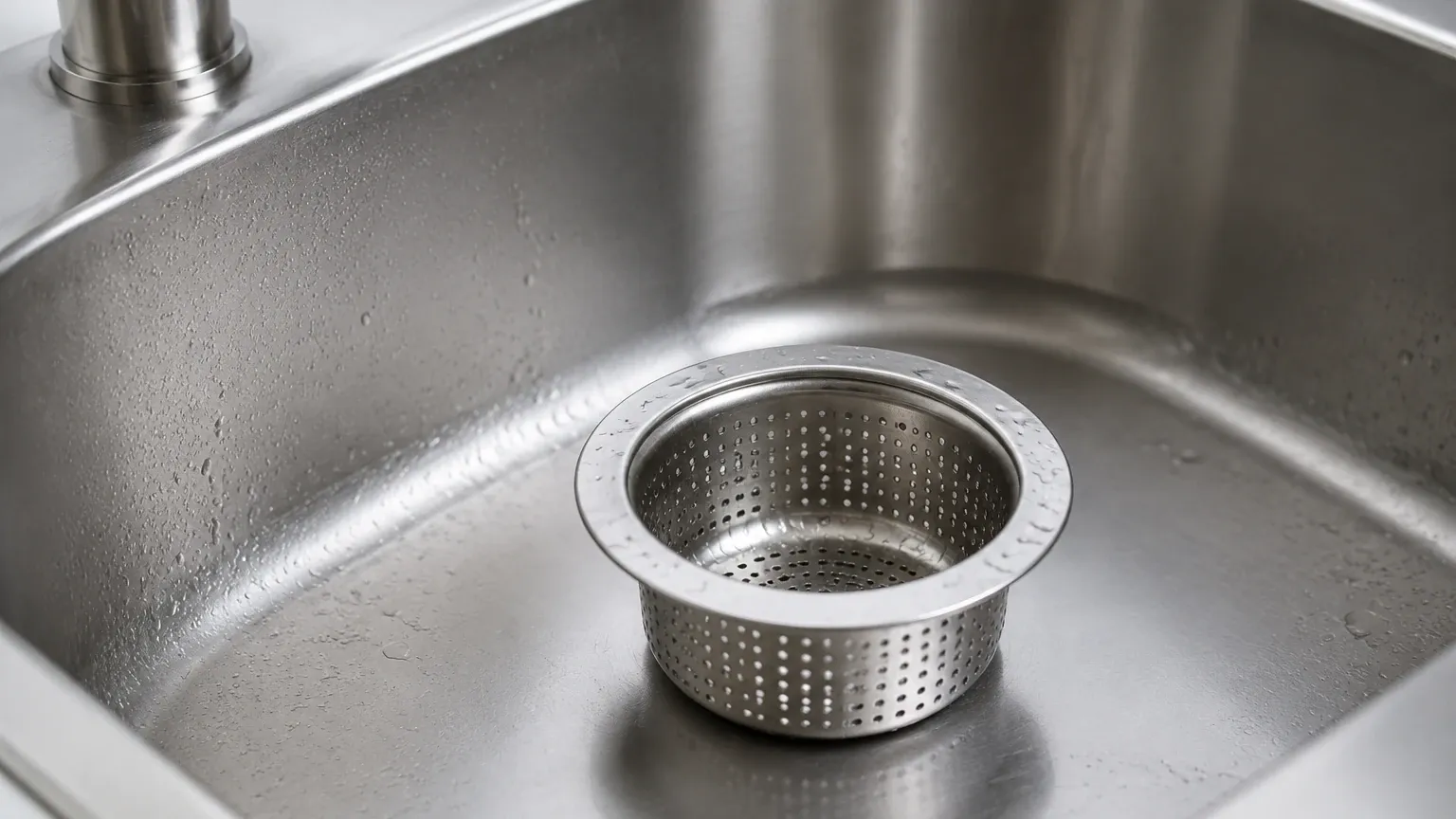
In industrial and commercial environments, fluid management systems require robust components to ensure operational efficiency and equipment longevity. A strainer basket for sink applications in these settings is not merely a plumbing accessory but a critical primary filtration component. Whether integrated into a pharmaceutical wash station, a large-scale food processing facility, or a chemical laboratory, these baskets serve as the first line of defense against solid contaminants that could otherwise compromise downstream piping, pumps, and treatment systems.
Selecting the appropriate Strainers & Baskets involves understanding the intersection of material science, fluid dynamics, and mechanical design. For engineers and procurement specialists, the focus remains on durability, filtration precision, and ease of maintenance to minimize total cost of ownership and prevent unscheduled downtime.
Understanding the Engineering Behind Industrial Sink Strainers
Industrial sink strainers are designed to handle significantly higher volumes and more aggressive materials than residential counterparts. The primary function of a strainer basket for sink use in a professional setting is to capture solids while allowing fluid to pass through with minimal resistance. This requires a balance between the "open area" of the strainer and the structural integrity of the basket.
From an engineering perspective, the design must account for the specific gravity of the fluids involved, the expected particulate load, and the frequency of cleaning. A basket that is too fine may clog rapidly, leading to overflow and safety hazards, while a basket with openings that are too large will fail to protect the plumbing infrastructure. Professionals must evaluate the particle size distribution of the waste stream to determine the optimal perforation or mesh size required for their specific application.
Material Selection: Why Stainless Steel is the Standard
In the realm of industrial filtration, material selection is paramount. Kaifil specializes in high-grade stainless steel solutions because of the material’s inherent resistance to corrosion, temperature fluctuations, and mechanical stress. When specifying a strainer basket for sink installations, two primary grades are typically considered:
1. Stainless Steel 304
This is the most common grade used in commercial kitchens and general industrial applications. It offers excellent corrosion resistance to most oxidizing acids and is highly durable. It is an ideal choice for environments where the primary goal is to capture food waste or non-corrosive industrial debris.
2. Stainless Steel 316
For environments involving high salt concentrations, harsh chemicals, or pharmaceutical processing, SS316 is the preferred choice. The addition of molybdenum provides superior resistance to pitting and crevice corrosion in chloride-rich environments. In a laboratory or chemical processing plant, a strainer basket for sink use made from SS316 ensures that the component will not degrade when exposed to aggressive cleaning agents or reactive waste.
Technical Specifications: Perforation vs. Mesh Lining
The filtration performance of a strainer basket is defined by its media. Depending on the required level of filtration, a basket may be constructed using perforated metal, wire mesh, or a combination of both.
* Perforated Metal Baskets: These are robust and capable of handling heavy debris loads. They are typically used for coarse filtration where the goal is to stop large objects from entering the drain. The hole size and pattern (staggered vs. straight) significantly impact the flow rate and the structural strength of the basket.
* Wire Mesh Lined Baskets: When finer filtration is required, a perforated metal basket can be lined with a stainless steel wire mesh. This allows for the capture of smaller particles while the perforated outer shell provides the necessary mechanical support. This dual-layer construction is common in industries where even small particulates can cause issues in secondary filtration stages.
When reviewing options for Strainers & Baskets, engineers must specify the micron rating or mesh count to ensure the strainer meets the technical requirements of the facility's fluid management plan.
Performance Metrics: Flow Capacity and Pressure Management
A critical factor often overlooked during the procurement of a strainer basket for sink applications is the "Open Area Ratio." This ratio compares the total area of the holes to the total area of the basket surface. A higher open area ratio typically results in a lower pressure drop across the strainer, which is vital for maintaining high flow rates in gravity-fed drainage systems.
If the flow rate is restricted by an undersized or improperly designed strainer, it can lead to back-ups and potential contamination of the workspace. Engineers should calculate the maximum expected flow (GPM or L/min) and ensure the selected strainer basket can accommodate this volume even when it is partially filled with debris. This "dirt loading capacity" determines how often the basket must be emptied and directly impacts labor costs associated with maintenance.
Industrial Applications and Regulatory Compliance
The requirements for a strainer basket for sink use vary significantly across different sectors. Understanding these nuances is essential for compliance and operational safety.
Food and Beverage Industry
In food processing, hygiene is the top priority. Strainers must be designed with smooth surfaces and radiused corners to prevent bacterial growth. They must also be capable of withstanding frequent Clean-in-Place (CIP) procedures and exposure to high-temperature water. Compliance with FDA or local health standards regarding food-contact materials is mandatory.
Pharmaceutical and Biotech
These industries require high-precision filtration and often demand material traceability. A strainer basket for sink use in a cleanroom or lab must be manufactured to exacting tolerances, often requiring electropolishing to achieve a specific surface roughness (Ra) value to ensure no contaminants adhere to the metal.
Chemical Processing
Chemical compatibility is the driving force here. The strainer must not only resist the chemicals being processed but also the reactions that may occur within the sink environment. Custom alloys may be required if standard stainless steel grades are insufficient for the specific chemical profile of the waste stream.
Maintenance, Cleaning, and Replacement Cycles
The longevity of a stainless steel strainer basket for sink applications depends heavily on its maintenance regime. Unlike disposable filters, high-quality metal baskets are designed for reuse, but they are not indestructible.
Best Practices for Maintenance:
1. Scheduled Inspection: Regularly check for signs of mechanical wear, such as broken mesh or distorted frames, which can allow bypass of unfiltered fluid.
2. Proper Cleaning: Use non-abrasive tools to clean the mesh. For fine mesh linings, ultrasonic cleaning may be necessary to remove deeply embedded particles without damaging the wire structure.
3. Chemical Neutralization: After exposure to harsh acids or bases, the basket should be rinsed thoroughly to prevent localized corrosion during stagnant periods.
Replacement cycles vary based on the intensity of use. In heavy industrial environments, keeping spare Strainers & Baskets on hand is a standard risk-mitigation strategy. If a basket shows signs of fatigue or if the filtration accuracy has degraded due to mesh expansion, it should be replaced immediately to protect the integrity of the entire system.
Custom OEM Solutions for Specialized Equipment
Many industrial sinks and equipment modules are custom-built, requiring non-standard filtration components. Off-the-shelf solutions may not provide the necessary fit, leading to bypass—where fluid flows around the strainer rather than through it.
Kaifil provides extensive OEM capabilities to address these challenges. Customization options for a strainer basket for sink include:
* Dimensional Adjustments: Specific diameters, depths, and flange widths to fit unique drain housings.
* Handle Configurations: Specialized handles (swing, fixed, or recessed) to facilitate easy removal in cramped or hazardous locations.
* Reinforced Structures: Adding support ribs or heavier gauge metal for applications involving high-velocity fluid discharge or heavy solid loads.
* Multi-Stage Filtration: Designing baskets with multiple layers of varying mesh sizes to capture a broad range of particulate sizes in a single pass.
By working closely with a manufacturer that understands the nuances of metal fabrication and filtration science, engineering teams can develop bespoke solutions that optimize performance and durability.
Conclusion: Selecting the Right Partner for Filtration Components
Choosing the right strainer basket for sink applications requires more than just matching a diameter. It demands a technical evaluation of the environment, the fluid characteristics, and the long-term operational goals of the facility. High-quality stainless steel construction, precise perforation or mesh specifications, and a design tailored to the specific flow requirements are the hallmarks of a professional-grade filtration component.
For organizations looking to optimize their industrial drainage and filtration systems, Kaifil offers the expertise and manufacturing precision necessary to deliver reliable solutions. From standard replacements to fully customized OEM designs, focusing on quality and engineering accuracy ensures that your fluid management systems remain efficient and protected. To explore technical specifications and find the right fit for your facility, Review product options and application support to ensure your infrastructure is equipped with the best possible filtration technology.
