


Strainer Basket Laundry Tub
In industrial and commercial facilities, the management of wastewater and process fluids begins at the point of collection. While a strainer basket laundry tub might seem like a simple utility component, its role in protecting downstream plumbing, pumps, and filtration systems is critical. For engineering and maintenance teams, selecting the right filtration component involves more than just finding a part that fits a drain; it requires an understanding of material science, fluid dynamics, and the specific demands of the industrial environment.
Industrial-grade strainers and baskets are designed to withstand conditions that would cause standard residential components to fail prematurely. Whether used in a commercial laundry facility, a chemical processing plant, or a food production site, these components serve as the first line of defense against debris, lint, and particulate matter that can lead to costly system downtime.
Understanding the Role of Strainer Baskets in Industrial Utility Systems
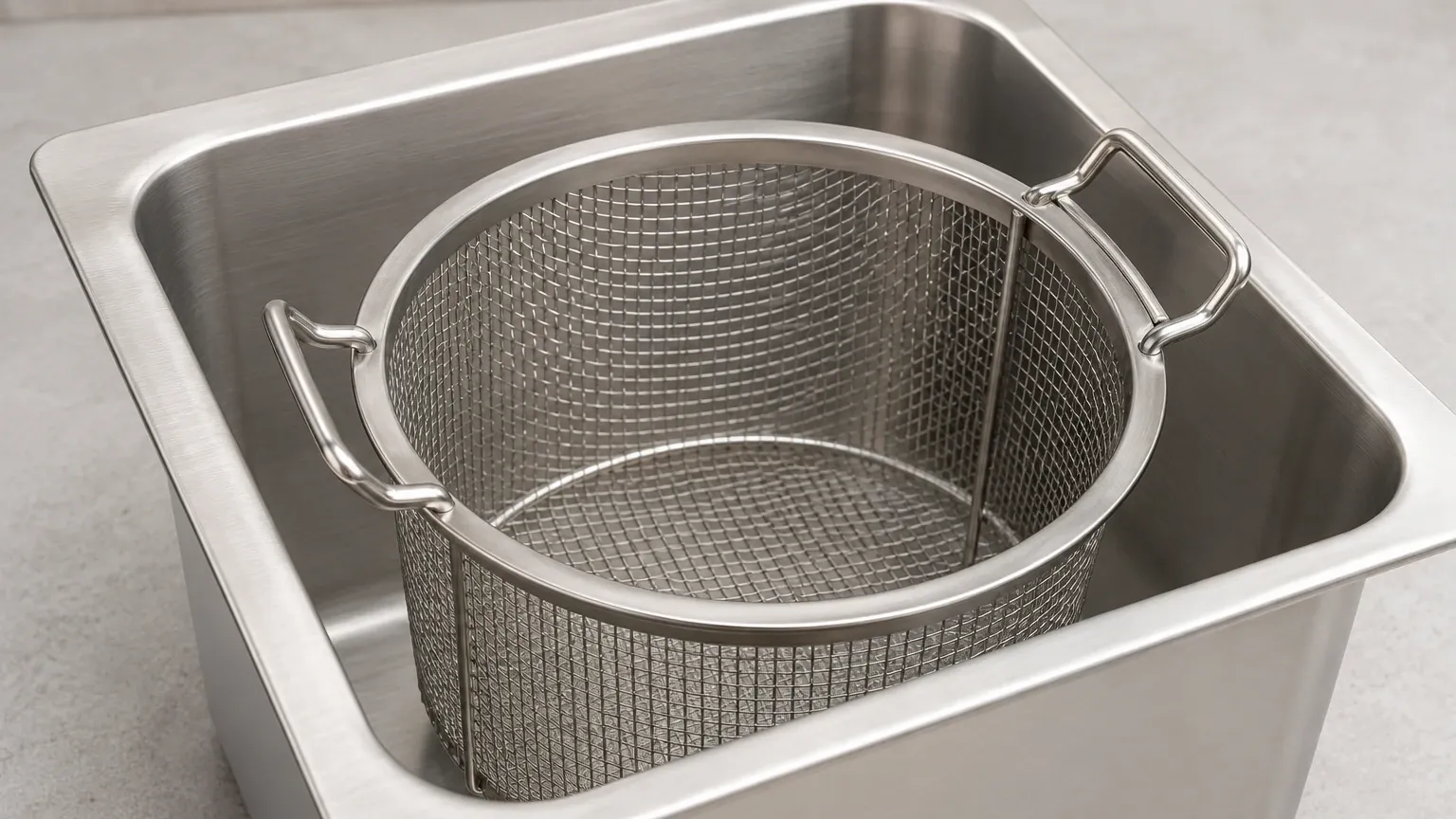
In a professional setting, a laundry tub or utility sink often handles more than just water. It may be subjected to high-temperature discharges, caustic cleaning agents, or heavy sediment loads. A standard strainer basket laundry tub assembly must be robust enough to capture solids while maintaining a high flow rate to prevent overflow.
From an engineering perspective, the strainer is a mechanical barrier. Its efficiency is determined by the ratio of the open area to the total surface area, the precision of the mesh or perforation, and the structural integrity of the basket itself. In industrial applications, where high volumes of water are processed, a basket that restricts flow too much can cause backups, while one that is too coarse allows harmful debris to pass through to the secondary filtration stages or the municipal sewer system.
Material Selection: Why Stainless Steel Dominates Industrial Filtration
When specifying Strainers & Baskets for industrial utility applications, material selection is the most significant factor in determining the total cost of ownership. While plastic or plated brass may be sufficient for domestic use, industrial environments demand the resilience of stainless steel.
Corrosion Resistance and Chemical Compatibility
Stainless steel 304 and 316 are the industry standards for a reason. In commercial laundry or chemical processing, the strainer basket laundry tub is frequently exposed to detergents, bleach, and various solvents. Type 304 stainless steel offers excellent resistance to most oxidizing acids and common industrial chemicals. For environments involving high concentrations of chlorides or more aggressive chemical exposure, Type 316 stainless steel provides superior pitting resistance due to the addition of molybdenum.
Thermal Stability
Industrial processes often involve the discharge of hot fluids. Plastic strainers can warp or become brittle when exposed to repeated thermal cycling. Stainless steel maintains its structural integrity across a wide temperature range, ensuring that the basket remains securely seated and functional even during high-temperature wash cycles or steam-cleaning processes.
Mechanical Strength and Durability
In a busy industrial facility, utility sinks are often subjected to physical impact. Tools, heavy parts, or large volumes of debris dropped into a tub can easily crack a plastic or thin-gauge metal basket. Heavy-duty stainless steel wire mesh or perforated metal baskets are designed to resist deformation and mechanical wear, providing a service life that far exceeds cheaper alternatives.
Technical Engineering Considerations for Strainers & Baskets
Selecting the appropriate strainer basket laundry tub component requires a technical evaluation of the specific application requirements. Engineers must balance the need for fine filtration with the necessity of maintaining system throughput.
Micron Rating and Mesh Count
The "fineness" of a strainer is determined by its mesh count or the size of its perforations. For a laundry tub application, the primary goal is often to capture lint and textile fibers. A mesh that is too fine will clog rapidly, requiring constant manual intervention. Conversely, a mesh that is too coarse will allow fibers to enter the drainage system, where they can accumulate and form blockages. Engineering teams typically specify a mesh size that captures the target particulate while allowing for a reasonable cleaning interval.
Open Area Ratio
The open area ratio is the percentage of the total basket surface that is actually open for fluid flow. A higher open area results in a lower pressure drop across the strainer. In gravity-fed systems like a laundry tub drain, minimizing pressure drop is essential to prevent water from pooling in the tub. High-quality industrial baskets are manufactured using precision-woven wire mesh or strategically perforated metal to maximize this ratio without compromising the strength of the component.
Structural Reinforcement
For larger baskets or those handling heavy debris loads, internal or external reinforcement may be necessary. This can include reinforced rims, support ribs, or heavy-duty handles. These features ensure that the basket can be removed and emptied easily, even when it is full of wet, heavy material.
Application Scenarios: From Commercial Laundry to Industrial Processing
The utility of a robust strainer basket laundry tub extends across various sectors where water management is a priority.
* Commercial Laundries: High-capacity washers discharge significant amounts of lint and debris. Industrial-grade baskets prevent these fibers from clogging lint traps and pumps further down the line.
* Food and Beverage Processing: Utility sinks in food production areas are used for rinsing equipment and containers. Baskets must capture food particles to meet environmental discharge regulations and prevent organic matter from rotting in the pipes.
* Pharmaceutical and Laboratory Settings: Precision is paramount in these environments. Stainless steel strainers provide a non-reactive, easy-to-sanitize solution for capturing solids during equipment cleaning.
* Manufacturing Facilities: In machine shops or assembly plants, utility tubs may be used to wash parts. The strainer must be capable of capturing metal shavings and heavy grease without degrading.
Key Evaluation Criteria for Purchasing Industrial Strainers
When purchasing a strainer basket laundry tub for an industrial facility, procurement teams should confirm several key factors to ensure the component meets the application's demands:
1. Dimensional Accuracy: Ensure the basket dimensions (diameter, depth, and flange width) precisely match the drain housing to prevent bypass. Even a small gap can allow significant amounts of debris to escape.
2. Ease of Cleaning: The design should allow for quick removal and thorough cleaning. Smooth interior surfaces and radiused corners prevent debris from becoming trapped in the seams.
3. Sealing Integrity: In some applications, the basket must also function as a plug. The quality of the seal and the mechanical action of the stopper are vital for operational efficiency.
4. Flow Capacity: Verify that the strainer's flow capacity matches or exceeds the maximum discharge rate of the equipment feeding into the tub.
Maintenance and Longevity: Maximizing the Lifecycle of Metal Filter Components
Even the highest quality stainless steel strainer basket laundry tub requires proper maintenance to function effectively. In an industrial setting, a maintenance schedule should be established based on the volume of debris handled.
* Regular Inspection: Check for signs of mechanical wear, such as broken wires in the mesh or deformation of the basket frame. Damaged strainers should be replaced immediately to prevent system contamination.
* Cleaning Protocols: Depending on the materials being filtered, cleaning may involve simple rinsing, ultrasonic cleaning, or chemical soaking. Stainless steel's ability to withstand aggressive cleaning methods is a major advantage in maintaining hygiene and flow performance.
* Total Cost Considerations: While the initial cost of a high-quality stainless steel basket is higher than plastic alternatives, the reduction in maintenance labor, the prevention of plumbing blockages, and the extended replacement cycle result in a much lower total cost of ownership.
Customization and OEM Solutions for Specialized Filtration Needs
Standard off-the-shelf solutions do not always meet the unique requirements of specialized industrial processes. In many cases, a custom-engineered strainer basket laundry tub is necessary to accommodate specific flow rates, unique drain sizes, or specialized filtration levels.
Customization options often include:
* Variable Mesh Sizes: Combining different mesh layers to achieve graduated filtration.
* Custom Geometric Shapes: Designing baskets to fit non-standard or proprietary drain housings.
* Enhanced Handle Designs: Adding ergonomic or locking handles for safer and more efficient operator handling.
* Specialized Coatings: Applying additional surface treatments for extreme chemical resistance or to reduce surface adhesion for easier cleaning.
By working with a manufacturer that understands the nuances of industrial filtration, engineers can develop components that are perfectly tailored to their operational needs. For those seeking high-performance filtration components, it is advisable to Review product options and application support to find the most suitable configuration for their specific industrial environment.
In conclusion, the strainer basket laundry tub is a vital component in the industrial utility infrastructure. By prioritizing material quality, engineering precision, and application-specific design, facilities can ensure efficient fluid management, protect their downstream assets, and minimize operational disruptions.
