


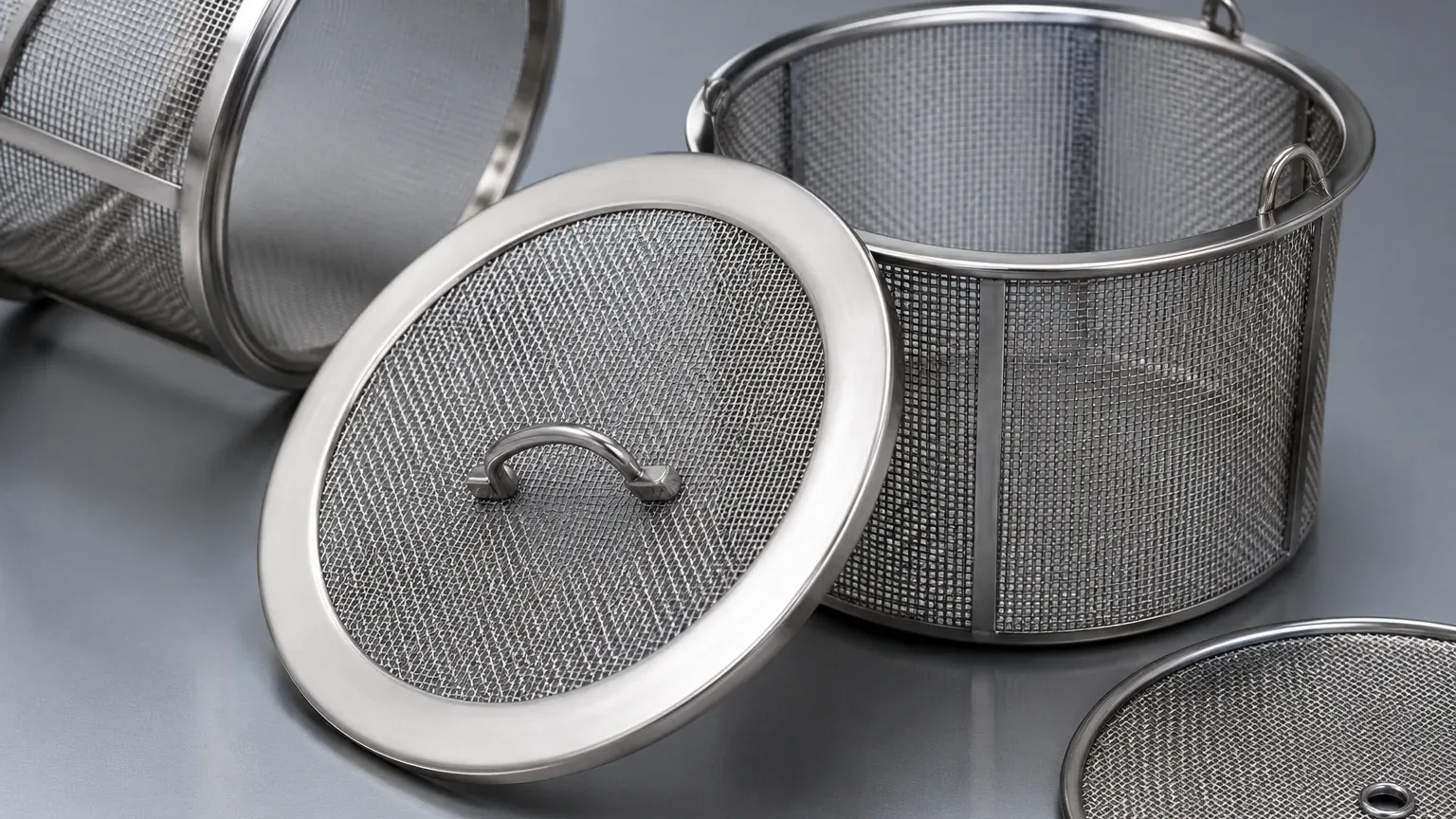
Strainer Basket Lid
In industrial filtration systems, the strainer basket lid is far more than a simple cover. It is a critical pressure-retaining component that ensures the integrity of the entire filtration process. Whether used in chemical processing, water treatment, or the food and beverage industry, the design and maintenance of the lid directly impact system safety, ease of operation, and the efficiency of the internal Strainers & Baskets.
For engineers and procurement teams, understanding the technical nuances of lid design—ranging from closure mechanisms to sealing materials—is essential for optimizing uptime and ensuring compliance with safety standards. This guide examines the engineering considerations, material requirements, and operational factors associated with industrial strainer basket lids.
The Role of the Strainer Basket Lid in Industrial Filtration
The primary function of a strainer basket lid is to provide a secure, leak-proof seal for the strainer housing. While the internal basket performs the actual mechanical separation of solids from the liquid stream, the lid must withstand the full operating pressure of the system.
In a typical pressurized system, the lid serves three main purposes:
1. Pressure Containment: It must be rated to handle the maximum allowable working pressure (MAWP) of the vessel, including potential pressure spikes.
2. Basket Positioning: The lid often incorporates a compression mechanism or a hold-down spring that keeps the internal basket seated firmly against the housing flange, preventing fluid bypass.
3. Access Point: It provides the entry point for routine maintenance, basket cleaning, and inspection.
Because the lid is the component most frequently handled by operators, its design significantly influences the "Total Cost of Ownership" (TCO) by affecting the time required for filter change-outs.
Critical Engineering Specifications for Lid Design
When specifying a strainer basket lid, engineers must evaluate several mechanical factors to ensure the component is fit for the intended application.
Pressure Ratings and Compliance
Industrial strainers are often classified as pressure vessels. Depending on the region and the severity of the application, the lid design may need to comply with ASME Section VIII, PED (Pressure Equipment Directive), or other local engineering standards. The thickness of the lid and the type of reinforcement used are determined by the diameter of the opening and the operating pressure. For high-pressure applications, a flat plate lid may require significant thickness, whereas a dished or elliptical head can provide equivalent strength with less material weight.
Closure Mechanisms
The method used to secure the lid to the housing is a primary differentiator in strainer design. The choice usually depends on the frequency of cleaning required.
* Bolted Covers: These utilize a standard flange arrangement with multiple bolts and nuts. While highly secure and suitable for very high-pressure applications, they are labor-intensive to open. They are best suited for systems where the solids loading is low and cleaning is infrequent.
* Swing Bolt Closures: This is the most common "quick-opening" design for industrial Strainers & Baskets. The bolts are permanently attached to the housing and swing into slots on the lid. This allows for relatively fast access without the risk of losing hardware.
* Threaded Caps: Common in smaller, low-pressure Y-strainers or T-strainers. While simple, they can become difficult to remove if the threads become corroded or if the internal pressure has not been fully relieved.
* Clamp Closures: Often used in sanitary applications (food, beverage, and pharma), these utilize a V-band or tri-clamp mechanism. They offer the fastest access but are generally limited to lower-pressure environments.
Material Selection
To prevent galvanic corrosion and ensure chemical compatibility, the lid material should typically match the housing material. Kaifil specializes in stainless steel solutions, offering lids in SS304 and SS316L.
* SS304: Suitable for general-purpose water filtration and mildly corrosive environments.
* SS316L: Preferred for chemical processing and applications involving chlorides, as the molybdenum content provides superior resistance to pitting and crevice corrosion.
Sealing Integrity and Gasket Selection
The interface between the strainer basket lid and the housing is the most common point of failure in a filtration system. Achieving a reliable seal requires the correct combination of gasket material and compression force.
Common Gasket and O-Ring Materials
* Buna-N (Nitrile): A standard choice for oil, water, and general hydraulic fluids. It offers good abrasion resistance but has a limited temperature range.
* EPDM: Excellent for water, steam, and dilute acids. It is widely used in outdoor applications due to its ozone resistance.
* Viton (FKM): Required for high-temperature applications and aggressive chemicals or fuels.
* PTFE (Teflon): Virtually inert to all chemicals. However, because PTFE is a hard plastic, it requires higher seating forces and is often used as an encapsulated O-ring (silicone or Viton core with a PTFE jacket).
Groove Design and Compression
Precision-machined lids often feature an O-ring groove (either in the lid itself or the housing flange). This design ensures that the seal is not displaced by the flow of fluid and provides a metal-to-metal stop that prevents over-compression of the gasket. For engineers, confirming the condition of this groove during maintenance is as important as checking the gasket itself.
Operational Safety and Maintenance Procedures
Because the strainer basket lid is a pressure-retaining part, safety protocols must be strictly followed during operation. A failure to vent the system before opening the lid can lead to serious injury or equipment damage.
Safety Features
* Vent Ports: Every lid should ideally be equipped with a 1/4" or 1/2" NPT vent port. This allows operators to relieve internal pressure and drain the fluid level below the lid line before opening the vessel.
* Pressure Relief Valves: In some high-risk applications, a dedicated relief valve is mounted directly on the lid to prevent over-pressurization.
* Davit Arms and Lifting Eyes: For larger strainers (typically 8" pipe size and above), the lid can be extremely heavy. A davit arm allows the operator to lift and swing the lid out of the way without the need for external rigging, significantly improving safety and reducing maintenance time.
Maintenance Checklist
To ensure the longevity of the lid and the efficiency of the Strainers & Baskets, the following should be inspected during every cleaning cycle:
1. Sealing Surfaces: Check for scratches, pits, or debris that could compromise the seal.
2. Hardware Condition: Inspect swing bolts or studs for thread wear or stretching.
3. Gasket Elasticity: Replace gaskets if they show signs of permanent set (flattening), cracking, or chemical swelling.
4. Alignment: Ensure the lid is centered correctly to provide even pressure across the seal.
Customization Options for Specialized Applications
Standard off-the-shelf lids may not meet the requirements of complex industrial processes. As a manufacturer, Kaifil provides customized lid configurations to solve specific engineering challenges.
Differential Pressure Ports
Monitoring the pressure drop across the basket is the only way to accurately determine when cleaning is required. Lids can be customized with dual ports to accommodate differential pressure gauges or transmitters. This enables automated alerts, preventing the basket from collapsing due to excessive debris buildup.
Sanitary Finishes
For the pharmaceutical and food industries, the interior surface of the lid must be polished to a specific Ra (Roughness Average) value to prevent bacterial growth. Electropolishing is often applied to ensure a smooth, non-porous surface that is easy to sanitize.
Multi-Basket Configurations
In high-flow systems, a single large basket may be too heavy for manual handling. In these cases, the lid is designed to cover multiple smaller baskets within a single housing. This requires a sophisticated internal manifold and a lid design that ensures a seal on each individual basket.
Factors to Confirm Before Purchasing a Replacement Lid
When ordering a replacement strainer basket lid or specifying a new system, engineers should have the following data ready to ensure compatibility:
* Housing Serial Number or Model: Most manufacturers track the specific build of the vessel via these identifiers.
* Maximum Operating Pressure and Temperature: This dictates the material thickness and gasket type.
* Fluid Chemistry: Essential for selecting the correct alloy and elastomer.
* Connection Sizes: Confirm the size of vent and gauge ports required.
* Lifting Requirements: Determine if the weight of the lid necessitates a davit arm or lifting lugs.
Conclusion
The strainer basket lid is a vital link in the industrial filtration chain. It balances the need for high-pressure containment with the requirement for frequent, easy access to the internal Strainers & Baskets. By selecting the appropriate closure type, ensuring material compatibility, and adhering to strict safety and maintenance protocols, industrial facilities can significantly improve their operational efficiency and safety.
For specialized requirements, working with a manufacturer like Kaifil allows for the development of custom lid solutions that address unique pressure, material, or ergonomic challenges. Whether you are replacing a worn component or designing a new filtration process, prioritizing the engineering details of the lid will ensure long-term reliability in demanding industrial environments.
