


K Strainer
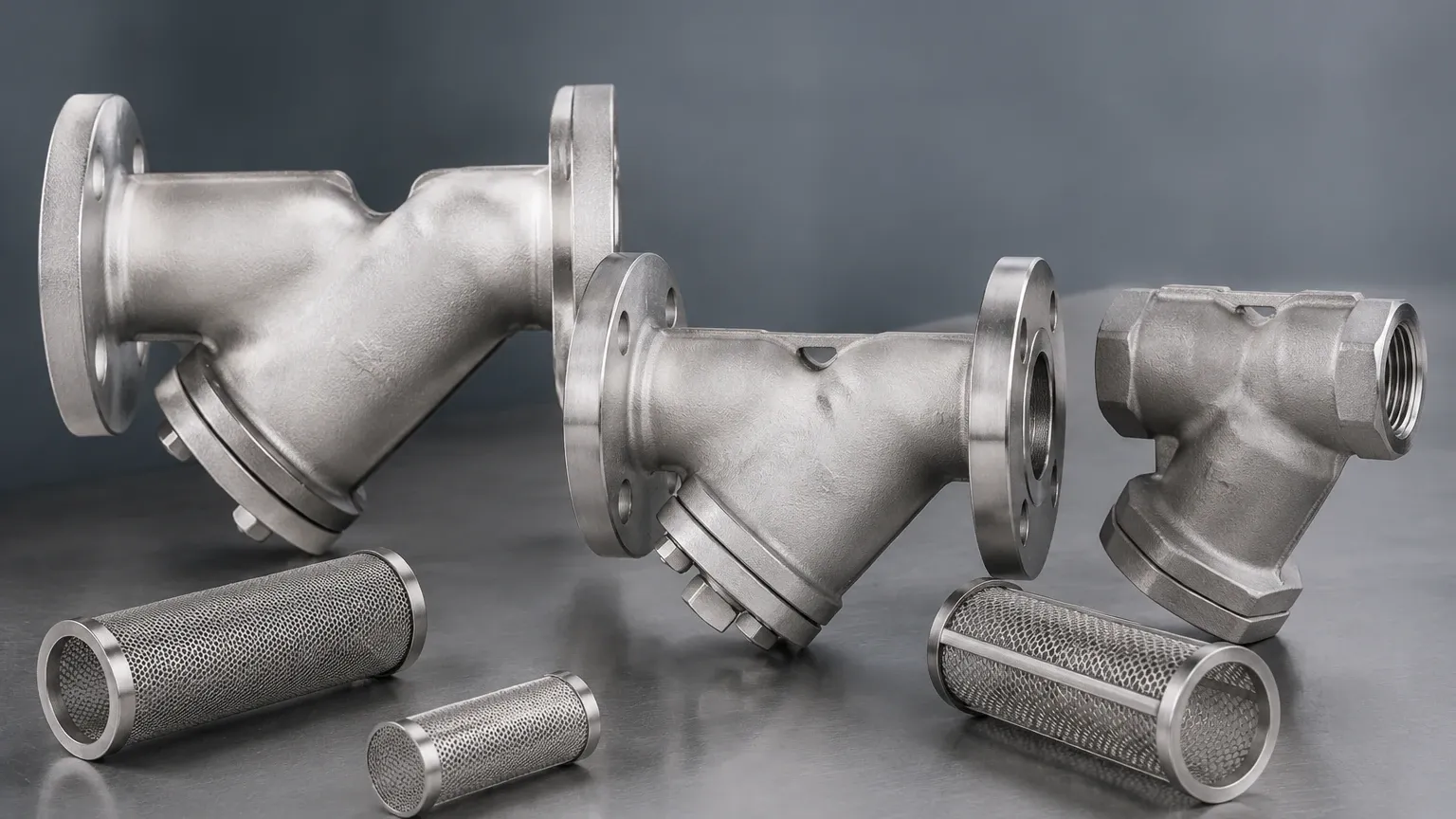
In industrial fluid handling systems, the protection of sensitive downstream equipment is a primary engineering concern. The K strainer, a specialized configuration within the broader category of Strainers & Baskets, serves as a critical mechanical barrier against solid contaminants. Whether utilized in chemical processing, water treatment, or hydraulic systems, the selection of a k strainer requires a deep understanding of fluid dynamics, material science, and specific application requirements to ensure long-term operational efficiency.
Industrial strainers are designed to remove large particles that could damage pumps, valves, nozzles, or heat exchangers. Unlike fine filtration systems that may require frequent element replacement, a robustly engineered k strainer focuses on durability and high-flow capacity, often utilizing stainless steel mesh or perforated metal to achieve repeatable performance in demanding environments.
Engineering Principles of the K Strainer
The fundamental operation of a k strainer relies on mechanical separation. As fluid enters the strainer housing, it is directed through a screen or basket element. The geometry of the "K" configuration is typically designed to optimize the flow path, minimizing turbulence and reducing the initial pressure drop across the unit.
Flow Dynamics and Pressure Drop
One of the most critical metrics for an engineer is the differential pressure (ΔP). A well-designed k strainer maintains a low clean pressure drop, which conserves energy and ensures that the system's pump operates within its preferred curve. The ratio of the open area of the strainer element to the cross-sectional area of the inlet pipe—often referred to as the "open area ratio"—should ideally be between 4:1 and 6:1. This ensures that even as the strainer begins to collect debris, the flow is not significantly restricted, extending the interval between cleaning cycles.
Structural Integrity
Industrial strainers must withstand not only the operating pressure of the system but also the potential for pressure spikes and the mechanical load of accumulated solids. High-quality stainless steel construction ensures that the housing and the internal basket do not deform under stress. This is particularly important in high-viscosity applications where the force exerted on the mesh can be substantial.
Material Selection and Corrosion Resistance
Material choice is the cornerstone of strainer longevity. In most industrial B2B environments, stainless steel is the standard due to its mechanical strength and chemical compatibility. Kaifil specializes in manufacturing these components using grades that meet specific environmental challenges.
1. AISI 304 Stainless Steel: Suitable for general industrial use, including water treatment and less aggressive chemical environments. It provides excellent strength and good corrosion resistance at a cost-effective price point.
2. AISI 316/316L Stainless Steel: The inclusion of molybdenum in 316 stainless steel significantly enhances resistance to chlorides and pitting. For pharmaceutical and food-grade applications, 316L (low carbon) is often preferred to prevent carbide precipitation during welding, ensuring the integrity of the strainer's structure.
3. Specialty Alloys: In highly corrosive environments, such as those involving concentrated acids or seawater, specialty alloys may be required. However, for the majority of hydraulic and process applications, precision-engineered 316L stainless steel offers the best balance of performance and value.
Customization Options for Industrial Applications
Standard off-the-shelf strainers often fail to meet the precise needs of specialized engineering projects. Customization of the k strainer allows for optimization based on the specific particulate size and fluid characteristics.
Mesh and Perforation Sizing
The internal element of a k strainer can be constructed from perforated metal, wire mesh, or a combination of both. Perforated metals provide a rugged support structure, while fine wire mesh layers determine the actual filtration accuracy. Engineers must specify the micron rating or mesh count based on the smallest particle that could potentially damage downstream components. Over-filtering (selecting a mesh that is too fine) can lead to rapid clogging and unnecessary pressure drops, while under-filtering risks equipment damage.
Connection Types and Housing Design
Depending on the piping standards of the facility, a k strainer can be configured with various connection types:
* Flanged Connections (ANSI, DIN, JIS): Preferred for high-pressure systems and ease of removal during major maintenance.
* Threaded (NPT/BSP): Common in smaller diameter lines and hydraulic systems.
* Socket Weld: Used in applications where leak prevention is paramount and the strainer is intended to be a permanent fixture of the piping.
Performance Evaluation and Selection Criteria
When specifying a k strainer for a new project or as a replacement in an existing line, several technical factors must be evaluated to ensure compatibility and performance.
Micron Rating vs. Flow Rate
There is an inverse relationship between filtration fineness and flow capacity. An engineer must calculate the maximum allowable pressure drop at the system's peak flow rate. If a high degree of filtration is required (e.g., 50 microns) in a high-flow system, the physical size of the k strainer housing may need to be increased to provide enough surface area to keep the velocity through the mesh within acceptable limits.
Temperature and Pressure Ratings
All strainers must be rated for the maximum operating temperature and pressure of the system. High-temperature applications may require specific gasket materials, such as PTFE or graphite, rather than standard EPDM or Viton, to ensure a leak-proof seal at the strainer's access cover.
Viscosity Considerations
The viscosity of the fluid significantly impacts the pressure drop. Heavier oils or resins require larger mesh openings or significantly larger strainer bodies compared to water-like fluids. Failure to account for viscosity during the selection process is a common cause of system inefficiency.
Maintenance and Replacement Cycles
The total cost of ownership (TCO) for a k strainer is heavily influenced by its maintenance requirements. A strainer that is difficult to clean or requires frequent part replacements will quickly exceed the initial purchase price in labor and downtime costs.
Cleaning Procedures
Most k strainers are designed for easy access. By depressurizing the line and removing the cover, the internal basket can be extracted, cleaned, and reinstalled. In systems where process continuity is vital, a duplex configuration (two strainers with a changeover valve) may be used, but for many applications, a single k strainer with a quick-opening cover is sufficient. The use of a blow-down valve at the bottom of the strainer can also allow for the removal of accumulated sediment without fully opening the unit.
Identifying Wear and Damage
During routine inspections, engineers should look for signs of "blinding" (permanent clogging of the mesh), mechanical deformation of the basket, or erosion of the housing walls. If the mesh is compromised, the k strainer will no longer protect downstream equipment, leading to much more expensive repairs elsewhere in the system.
Applications Across Key Industries
The versatility of the k strainer makes it a staple in various sectors. Kaifil’s expertise in stainless steel fabrication ensures these components meet the rigorous standards of:
* Chemical Processing: Handling corrosive fluids where material purity and leak prevention are critical.
* Food and Beverage: Requiring sanitary designs with smooth surface finishes (Ra) to prevent bacterial growth and allow for effective Clean-in-Place (CIP) cycles.
* Pharmaceuticals: Demanding high-precision filtration and documented material traceability.
* Hydraulic Systems: Protecting sensitive valves and pumps from metal shavings and other debris that can cause catastrophic system failure.
* Water Treatment: Removing sand, scale, and organic matter before the water enters fine filtration membranes or UV disinfection systems.
Conclusion
Choosing the right k strainer is not merely about matching pipe sizes; it is about understanding the intersection of fluid mechanics and material durability. For engineers and purchasing teams, focusing on the technical specifications—such as the open area ratio, material grade, and pressure drop calculations—is essential for optimizing system performance. By selecting a manufacturer like Kaifil that understands the nuances of custom stainless steel filtration, industrial operators can ensure their systems remain protected, efficient, and cost-effective over their entire lifecycle.
When evaluating your next filtration requirement, consider the long-term benefits of a precision-engineered solution. Proper integration of high-quality Strainers & Baskets into your process flow is a proven strategy for reducing maintenance overhead and safeguarding your most valuable industrial assets.
