


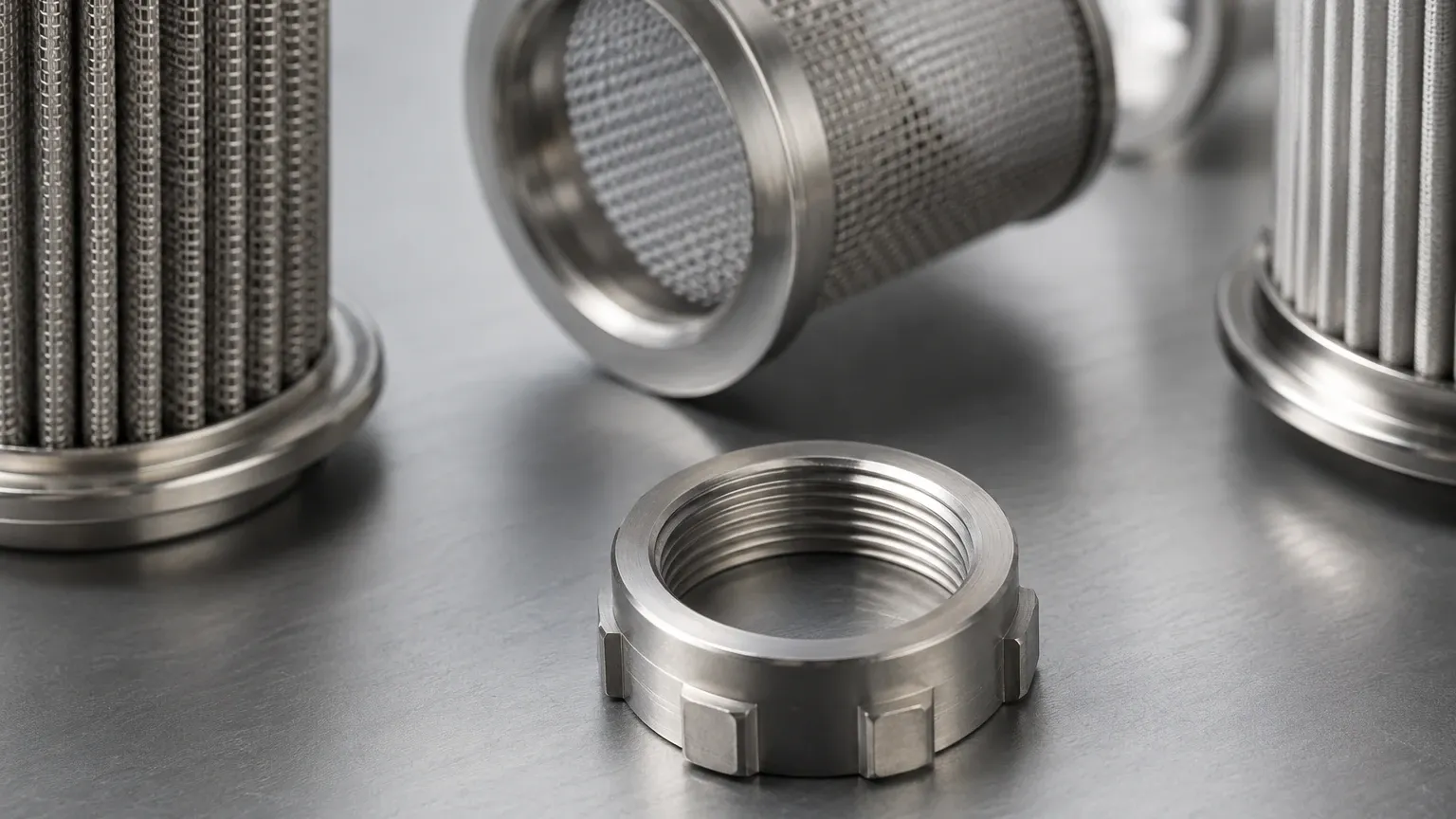
Strainer Basket Nut
In the complex landscape of industrial filtration, the performance of a system is often determined by the integrity of its smallest components. While the primary focus of procurement and engineering teams is frequently the micron rating or the flow capacity of Strainers & Baskets, the hardware that secures these elements is equally critical. The strainer basket nut serves as a fundamental mechanical fastener, ensuring that the filter element remains seated correctly within the housing under varying pressure conditions.
For engineers managing chemical processing, pharmaceutical production, or hydraulic systems, understanding the technical nuances of the strainer basket nut is essential for preventing fluid bypass and ensuring long-term operational stability. This guide explores the engineering considerations, material requirements, and maintenance protocols associated with these vital components.
The Mechanical Function of the Strainer Basket Nut
The primary role of a strainer basket nut is to provide the necessary axial force to secure the basket against the internal seat of the strainer housing. In high-pressure industrial environments, fluid turbulence and differential pressure can exert significant upward or lateral force on the filter basket. If the basket is not rigidly fixed, it may shift, leading to a breach in the seal.
When a seal is compromised, "bypass" occurs—a condition where unfiltered fluid flows around the basket rather than through the mesh. This can lead to downstream contamination, damage to sensitive pumps, or the failure of precision nozzles. The strainer basket nut, often used in conjunction with a hold-down bar or a center rod, ensures that the gasket or O-ring at the top of the basket remains compressed, maintaining a leak-proof interface between the dirty and clean sides of the filter housing.
Material Selection for Industrial Environments
Material compatibility is a primary concern for engineering teams. Because the strainer basket nut is frequently submerged in the process fluid, it must exhibit the same, if not superior, corrosion resistance as the basket itself. At Kaifil, we emphasize the use of high-grade alloys to match specific industrial demands.
Stainless Steel 304 and 316L
Stainless steel is the industry standard for most B2B filtration applications. Grade 304 provides excellent durability for water treatment and general industrial use. However, in environments involving chlorides, acids, or pharmaceutical-grade requirements, Grade 316L is preferred due to its superior resistance to pitting and crevice corrosion.
Specialty Alloys
For highly aggressive chemical processing, nuts may be fabricated from Hastelloy or Monel. These materials are selected when the process fluid would cause rapid degradation of standard stainless steels. The choice of material for the nut must also account for the potential for galvanic corrosion; ideally, the nut, the rod it threads onto, and the basket should be metallurgically compatible to prevent accelerated wear.
Engineering Standards and Thread Specifications
Precision in threading is what differentiates a standard fastener from an industrial-grade strainer basket nut. In filtration assemblies, threads must be manufactured to tight tolerances to ensure they can withstand the vibration and thermal expansion typical of industrial cycles.
1. Thread Pitch and Profile: Most industrial strainers utilize Unified National Coarse (UNC) or Metric threads, depending on the regional standards and the original equipment manufacturer (OEM) design. Coarse threads are generally preferred in filtration because they are less susceptible to cross-threading and can be tightened or loosened more quickly during maintenance intervals.
2. Galling Prevention: A common challenge with stainless steel fasteners is "galling"—a form of cold welding that occurs during installation. To prevent this, engineers often specify nuts with specific surface treatments or utilize anti-seize compounds that are compatible with the process fluid (e.g., food-grade lubricants for the beverage industry).
3. Load Distribution: The geometry of the nut, whether it is a standard hex nut, a wing nut for tool-less entry, or a heavy-duty flanged nut, affects how load is distributed across the basket's rim. A larger surface area helps prevent deformation of the basket flange over repeated cleaning cycles.
Installation and Torque Considerations
Correct installation of the strainer basket nut is a balance between achieving a positive seal and avoiding mechanical stress. Over-tightening is a frequent cause of failure in industrial filtration systems. When a nut is over-torqued, it can strip the threads of the center rod or warp the basket’s top plate, which actually increases the risk of bypass.
Technical professionals should follow these guidelines during installation:
* Verify Gasket Alignment: Before tightening the nut, ensure the basket gasket is seated flat. Any bunching will result in an uneven load when the nut is tightened.
* Hand-Tightening vs. Tool-Assisted: In many "quick-opening" strainer designs, wing-style nuts are used to allow for hand-tightening. However, in high-pressure applications, a calibrated torque wrench may be required to meet the manufacturer’s specifications.
* Thermal Expansion Factors: In high-temperature applications, such as steam filtration or hot oil processing, the nut and rod will expand. Engineers must account for this expansion to ensure the assembly does not become over-stressed at operating temperatures.
Maintenance, Wear, and Replacement Cycles
The strainer basket nut is a wear item. Every time a strainer is opened for cleaning—which may happen daily in high-solids applications—the threads are subjected to mechanical friction. Over time, this leads to thread wear, which can reduce the nut's ability to hold the basket securely under pressure.
Inspection Checklist
During routine maintenance of Strainers & Baskets, the following should be inspected:
* Thread Integrity: Check for signs of flattening or stripping on both the nut and the mounting stud.
* Corrosion: Look for discoloration or pitting, which indicates that the material may not be suitable for the current chemical environment.
* Deformation: Ensure the base of the nut remains flat. A cupped or rounded base will not apply even pressure to the hold-down assembly.
Kaifil recommends keeping a stock of replacement nuts and associated hardware. Because these are specialized components, relying on generic hardware store fasteners can lead to system failure due to incorrect material grades or thread tolerances.
Customization and OEM Solutions
Every industrial facility has unique requirements based on their specific fluid dynamics and housing designs. As a professional manufacturer, Kaifil provides customized filtration solutions that extend to the hardware components.
When designing a custom filtration system, engineers should consider whether a standard hex nut is sufficient or if a specialized design is required. For example, in the food and beverage industry, "hygienic" nuts with smooth, rounded surfaces are often used to eliminate crevices where bacteria could accumulate. In hydraulic systems where vibration is a constant factor, self-locking nuts or nuts with integrated washers may be necessary to prevent loosening during operation.
Our engineering team works closely with clients to develop hardware that matches the lifecycle of the filter basket. This includes providing material certifications (MTRs) to verify that the strainer basket nut meets the stringent requirements of the pharmaceutical and chemical sectors.
Critical Questions for Procurement and Engineering
Before finalizing a purchase or specifying a replacement for a strainer basket nut, technical teams should confirm the following details:
* What is the exact thread specification? (e.g., 1/2"-13 UNC, M12x1.75)
* Does the material match the chemical resistance of the housing?
* Is the nut design compatible with the existing hold-down bar or handle?
* Are there specific industry certifications required? (e.g., FDA compliance for food contact)
* What is the maximum differential pressure the assembly must withstand?
By addressing these factors, facilities can significantly reduce the risk of unplanned downtime and ensure that their filtration systems operate at peak efficiency.
Conclusion
The strainer basket nut may be a small part of the overall filtration assembly, but its role in maintaining system integrity is paramount. From ensuring a perfect seal to preventing the catastrophic bypass of contaminants, this component demands careful selection and regular maintenance. By focusing on high-quality materials like 316L stainless steel and adhering to precise engineering standards, Kaifil helps industrial operators achieve reliable, long-term performance from their Strainers & Baskets.
Whether you are replacing worn hardware or designing a new custom filtration solution, prioritizing the quality of the fastening components is an investment in the safety and efficiency of your entire process line. For technical support or customized hardware specifications, consulting with a specialized manufacturer ensures that every element of your filtration system—down to the last nut—is engineered for success.
