


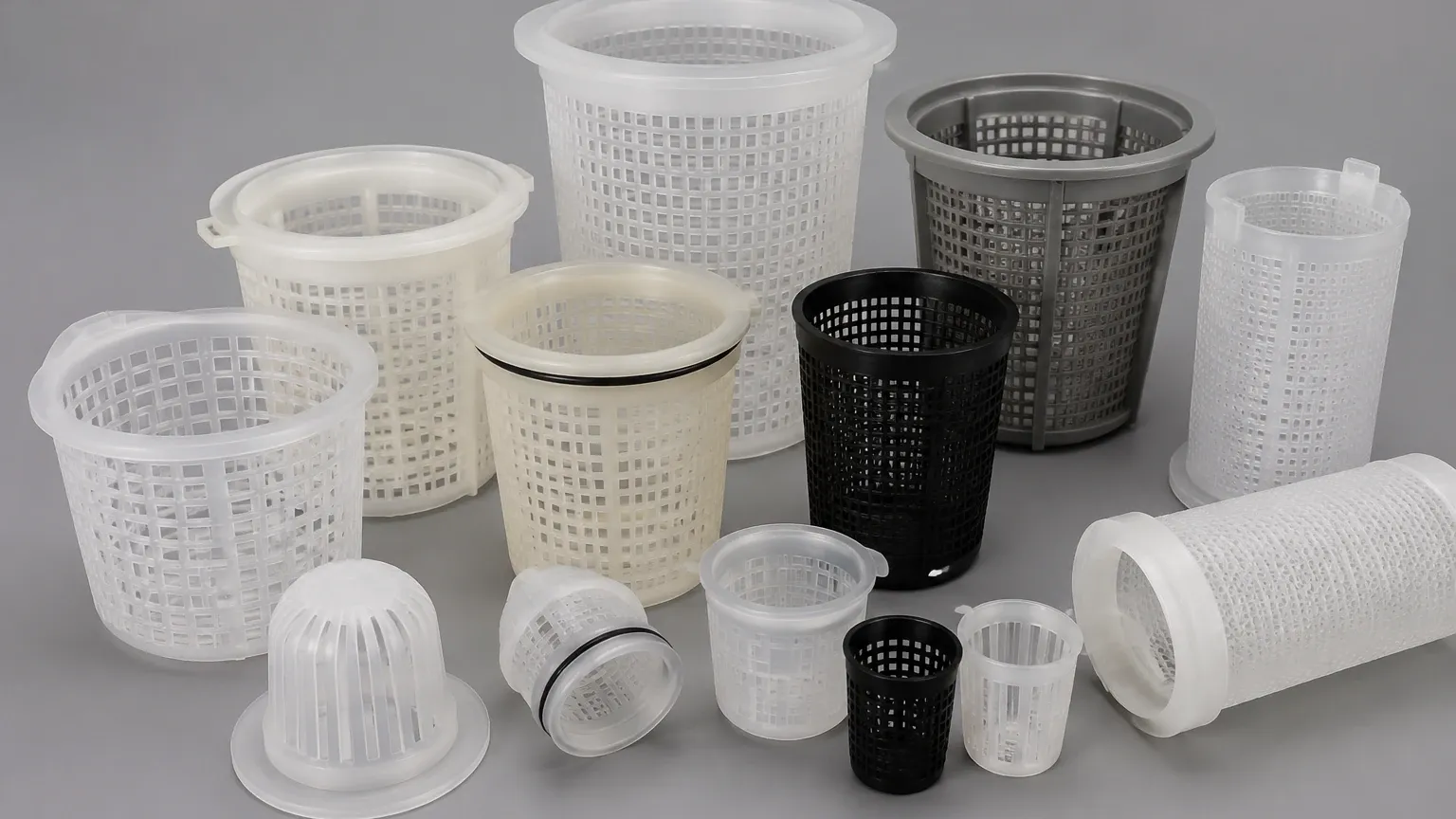
Strainer Basket Plastic
In industrial fluid handling and processing, the selection of filtration components is a critical engineering decision that directly impacts equipment longevity and process efficiency. While stainless steel is often the gold standard for high-pressure and high-temperature environments, the use of a strainer basket plastic component is a common consideration for specific chemical applications, water treatment systems, and low-pressure fluid circuits. Understanding the technical nuances, material limitations, and performance boundaries of plastic filtration media is essential for engineers and procurement teams tasked with optimizing system uptime.
Industrial Strainers & Baskets serve as the primary line of defense against particulate contamination. Whether the basket is constructed from a polymer or a metallic alloy, its primary function remains the same: to remove unwanted solids from a liquid stream to protect pumps, valves, and heat exchangers. However, the transition from metal to plastic involves significant trade-offs in mechanical strength, thermal stability, and filtration precision.
Material Characteristics of Plastic Strainer Baskets
When evaluating a strainer basket plastic option, the specific polymer used determines the component's compatibility with the process fluid. Unlike stainless steel, which offers broad-spectrum resistance, plastics are highly sensitive to chemical concentrations and temperatures.
Polypropylene (PP)
Polypropylene is one of the most common materials for plastic strainer baskets due to its excellent resistance to a wide range of acids and bases. It is lightweight and relatively inexpensive. However, PP has a limited temperature range, typically losing structural integrity above 180°F (82°C). In industrial filtration, PP baskets are often used in water demineralization and chemical transfer where high pressures are not present.
Polyvinyl Chloride (PVC) and CPVC
PVC is widely used in water treatment and pool filtration. It is rigid and provides good chemical resistance to salts and some acids. CPVC (Chlorinated Polyvinyl Chloride) offers higher temperature resistance than standard PVC, making it suitable for hot water applications. However, both materials are susceptible to mechanical stress and can become brittle over time, especially when exposed to UV light or certain organic solvents.
Polyvinylidene Fluoride (PVDF)
For highly aggressive chemical environments, such as those involving concentrated acids or halogens, PVDF is the premium plastic choice. It offers superior chemical purity and can withstand higher temperatures than PP or PVC. Despite these advantages, PVDF is significantly more expensive and is usually reserved for pharmaceutical or semiconductor applications where fluid purity is paramount.
Performance Comparison: Plastic vs. Stainless Steel Strainers
Engineers must weigh the benefits of plastic against the proven durability of stainless steel. While a strainer basket plastic solution may resist corrosion in a specific acidic environment where 304 or 316 stainless steel might pit, the mechanical differences are profound.
Pressure and Structural Integrity
Plastic is inherently more flexible and less dense than metal. Under high differential pressure (the pressure drop across the filter as it becomes clogged), a plastic basket is prone to deformation or "blow-by," where the basket flexes enough to allow unfiltered fluid to pass around the seals. Stainless steel baskets, engineered by manufacturers like Kaifil, maintain their geometric profile even under significant pressure loads, ensuring consistent filtration accuracy.
Temperature-Pressure Curves
The strength of any plastic component is inversely proportional to the temperature. As the process fluid heats up, the maximum allowable working pressure of a plastic strainer basket drops significantly. In contrast, stainless steel maintains its mechanical properties across a vast temperature spectrum, from cryogenic levels to over 800°F, depending on the alloy. For industrial processes with fluctuating temperatures, metal remains the safer, more predictable choice.
Filtration Fineness
Most plastic strainer baskets are manufactured using injection molding, which limits the size of the perforations. Achieving fine filtration (below 100 microns) with a purely plastic basket is difficult. Stainless steel Strainers & Baskets can utilize multi-layered wire mesh or sintered metal media to achieve precise filtration down to 5 microns or less, providing a level of protection that plastic simply cannot match.
Key Engineering Considerations for Industrial Filtration
Selecting the right strainer requires more than just picking a material. Engineers must analyze the rheology of the fluid, the nature of the contaminants, and the operational flow rates.
1. Flow Rate and Pressure Drop: The open area of the basket determines the initial pressure drop (ΔP). Plastic baskets often have thicker walls and smaller open areas compared to high-flow stainless steel mesh baskets. A higher ΔP means the pump must work harder, increasing energy costs and the risk of basket failure.
2. Contaminant Loading: If the process involves heavy solids loading, the basket will need frequent cleaning. Plastic baskets are more susceptible to damage during the manual cleaning process, especially if tools are used to scrape away stubborn debris. Stainless steel baskets are designed for rigorous cleaning, including backwashing and ultrasonic cleaning.
3. Seal Compatibility: The interface between the basket and the strainer housing is a common failure point. Plastic baskets often rely on integrated plastic flanges or O-rings. Ensuring that these seals are compatible with the process fluid is as important as the basket material itself.
Identifying Risks in High-Pressure Applications
In many B2B industrial sectors, such as hydraulic systems or oil and gas processing, the use of a strainer basket plastic component is often discouraged due to the risk of catastrophic failure. When a plastic basket fails under pressure, it can shatter, sending plastic fragments downstream into sensitive equipment. This not only fails to protect the system but actually introduces new, potentially more damaging contaminants.
Furthermore, plastics exhibit a phenomenon known as "creep," where the material slowly deforms under constant stress. In a strainer housing, this can lead to a loss of the seal over time, resulting in bypass. For critical infrastructure, the reliability of a custom-engineered stainless steel filter cartridge or basket is often the only way to guarantee long-term system safety.
Customization and Sizing for Strainers & Baskets
One of the primary advantages of working with a professional manufacturer like Kaifil is the ability to customize the filtration solution to the specific dimensions of the existing housing. While plastic baskets are often mass-produced in standard sizes, industrial applications frequently require unique geometries or reinforced structures.
Custom Strainers & Baskets can be designed with:
* Reinforced Liners: Adding a perforated metal backup to a fine wire mesh to handle high differential pressures.
* Magnetic Inserts: Capturing fine ferrous particles that might otherwise pass through the mesh.
* Specialty Handles: Ergonomic designs for quick removal and replacement in high-frequency maintenance environments.
* Variable Micron Ratings: Tailoring the mesh size to the specific particle distribution of the process fluid.
When a standard strainer basket plastic part fails to meet the specific needs of a plant, moving to a customized metal solution allows for optimized flow dynamics and better protection of downstream assets.
Total Cost of Ownership and Maintenance Cycles
From a procurement perspective, the initial cost of a strainer basket plastic unit is lower than a stainless steel equivalent. However, the Total Cost of Ownership (TCO) often favors metal in the long run.
Replacement Frequency
Plastic baskets are frequently treated as consumables. In abrasive or high-flow environments, they wear out quickly. The labor cost associated with frequent basket changes, combined with the cost of the replacement parts, can quickly exceed the one-time investment in a high-quality stainless steel basket that can last for years.
Downtime Risks
Every time a strainer fails or requires replacement, the process must be halted (unless a duplex system is in place). The reliability of stainless steel reduces the frequency of these interruptions. For industries like pharmaceutical or food and beverage processing, where downtime can cost thousands of dollars per hour, the durability of the filtration component is a major factor in operational profitability.
Environmental Impact
In modern industrial operations, sustainability is an increasing concern. Stainless steel is 100% recyclable and has a much longer service life than plastic. Choosing durable Strainers & Baskets reduces the volume of plastic waste generated by the facility.
Conclusion: Making the Right Selection
While a strainer basket plastic solution may be appropriate for light-duty, low-temperature, or highly specific corrosive applications, the rigors of industrial processing usually demand the strength and precision of metal. Engineers must carefully evaluate the chemical compatibility, temperature limits, and pressure requirements of their systems before finalizing a filtration specification.
For those managing demanding industrial environments, the move toward customized stainless steel filtration components offers a path to increased reliability and lower long-term costs. By focusing on high-performance materials and precision engineering, facilities can ensure that their filtration systems provide the necessary protection for their most valuable equipment.
