


Strainer Basket Vegetable
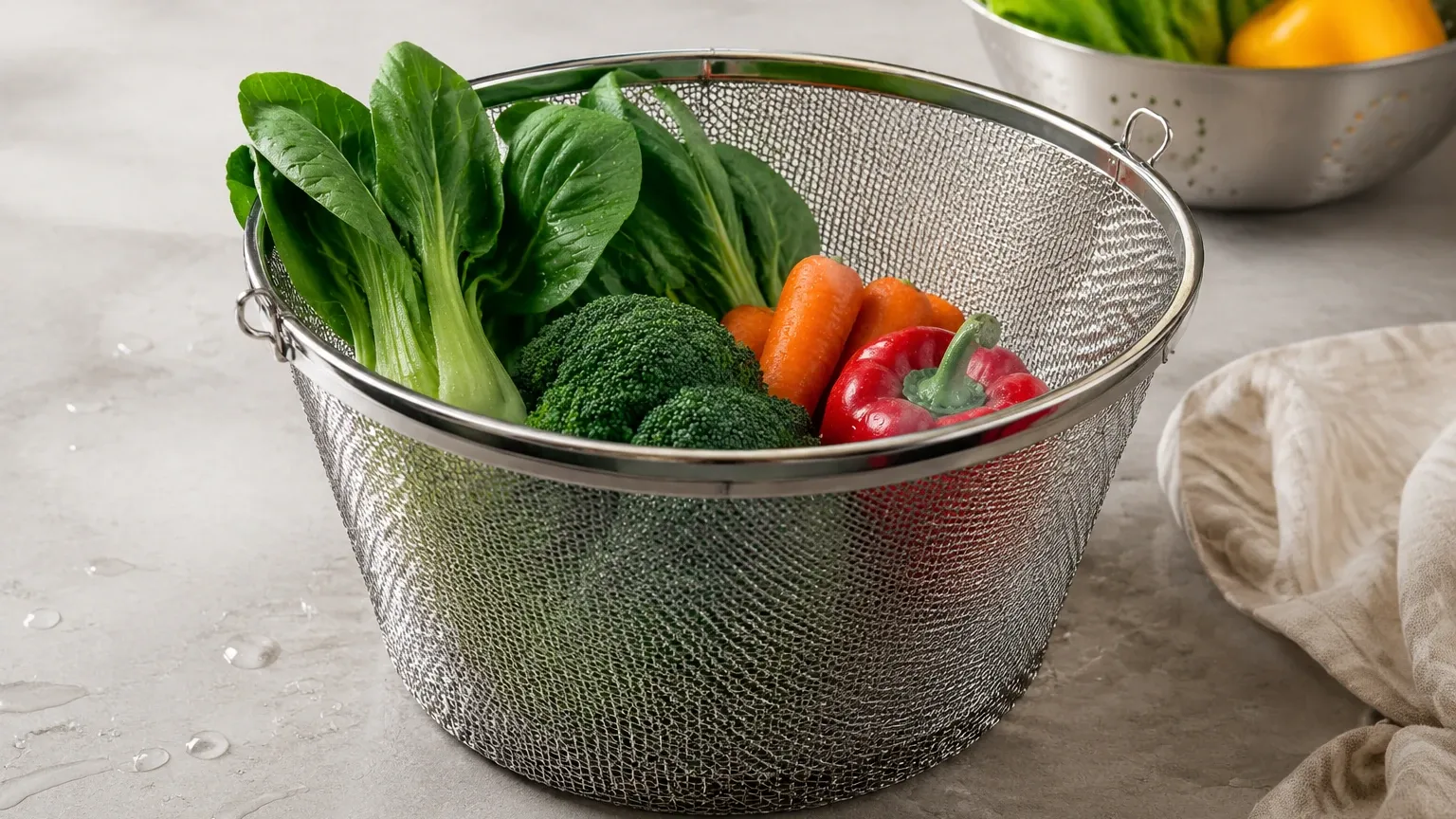
In the industrial food processing sector, the efficiency of washing, blanching, and dewatering stages depends heavily on the quality of the filtration components used. A strainer basket vegetable system is not a consumer kitchen tool but a critical industrial component designed to handle high volumes of produce while maintaining strict hygiene standards. For engineers and facility managers in the food and beverage industry, selecting the right industrial strainers and baskets is a matter of balancing throughput, durability, and compliance with food safety regulations.
Industrial vegetable processing involves several stages where solid-liquid separation is required. Whether it is removing soil and debris during the initial wash or separating blanched vegetables from hot water, the physical design of the strainer basket determines the speed of the process and the quality of the final product. Kaifil specializes in manufacturing these high-performance components, ensuring that every unit meets the rigorous demands of continuous industrial operation.
Engineering Requirements for Industrial Vegetable Strainers
When designing or specifying a strainer basket vegetable for an industrial line, engineering teams must look beyond simple dimensions. The mechanical stresses placed on these baskets during high-speed centrifugal dewatering or heavy-load immersion are significant.
Material Selection and Corrosion Resistance
Vegetable processing environments are often corrosive. The presence of organic acids, salt brines, and the frequent use of caustic cleaning agents (CIP – Clean-in-Place) necessitates the use of high-grade stainless steel. Typically, Type 304 stainless steel is the baseline for general vegetable processing, offering excellent corrosion resistance and formability. However, for applications involving high salinity or acidic marinades, Type 316L is preferred due to its superior resistance to pitting and crevice corrosion.
Structural Integrity under Load
Unlike light-duty filters, an industrial strainer basket must support the weight of hundreds of pounds of produce. This requires reinforced frames, heavy-duty mesh, or perforated plate construction. At Kaifil, we focus on the structural engineering of Strainers & Baskets to ensure they do not deform under the hydraulic pressure of high-flow wash systems or the mechanical weight of the product during lifting and transport.
Applications in High-Volume Food Processing
The utility of a specialized strainer basket vegetable extends across various stages of the production line. Each stage requires a specific filtration profile to optimize performance.
Washing and Flume Transport
In the initial stages, vegetables are often transported via water flumes. Strainer baskets are used at the end of these flumes to capture the produce while allowing the wash water—and the dirt and debris it carries—to pass through to a secondary filtration system. The mesh size here must be large enough to prevent clogging by silt but small enough to retain the specific vegetable being processed.
Blanching and Cooling
Blanching requires immersing vegetables in hot water or steam for a precise duration, followed by rapid cooling (quenching). Industrial baskets used in this process must withstand rapid thermal cycling without losing their structural temper. Precision-engineered baskets ensure even water distribution, which is vital for consistent blanching results across the entire batch.
Dewatering and Drying
Post-wash dewatering is essential to prevent microbial growth and prepare the produce for packaging. Centrifugal dewatering systems utilize high-speed rotating baskets. In these applications, the balance and concentricity of the strainer basket vegetable are paramount to prevent vibration and mechanical failure of the centrifuge.
Technical Considerations for Filtration Efficiency
To optimize a filtration system, engineers must evaluate the technical specifications of the mesh or perforated media used in the basket construction. These factors directly impact the total cost of ownership and the efficiency of the production line.
1. Open Area Percentage: This is the ratio of the total area of the holes to the total area of the sheet. A higher open area allows for faster flow rates and lower pressure drops but may compromise the strength of the basket. Finding the "sweet spot" is essential for maintaining throughput without frequent basket replacements.
2. Filtration Accuracy: For vegetable processing, this usually refers to the ability to catch small stems, seeds, or broken pieces of produce. Depending on the product—whether it is peas, sliced carrots, or leafy greens—the aperture size of the strainer basket vegetable must be customized to the specific geometry of the produce.
3. Surface Finish: In the food industry, surface roughness (Ra) is a critical metric. Electropolished stainless steel surfaces reduce the ability of bacteria and food particles to adhere to the metal, making the cleaning process more effective and reducing the risk of cross-contamination.
Customization Options for Industrial Workflows
Standard off-the-shelf solutions rarely meet the specific needs of a custom-built food processing line. Customization is where industrial manufacturers like Kaifil provide the most value to engineering teams.
Handle and Lifting Configurations
Depending on whether the baskets are moved manually, by overhead hoist, or integrated into an automated conveyor, the handle design must be robust. Options include reinforced bale handles, side-mounted trunnions for tilting, or specialized flanges for secure seating in a housing.
Perforation Patterns and Mesh Liners
While some applications require a simple perforated plate, others may need a dual-media approach. For example, a heavy-duty perforated outer basket can provide structural support for a fine wire mesh inner liner. This combination allows for the filtration of very fine particles while maintaining the ability to handle heavy bulk loads.
Reinforcing Rings and Skirts
To extend the service life of a strainer basket vegetable, reinforcing rings can be added to the top and bottom. A bottom skirt or "wear ring" protects the filtration media from damage when the basket is placed on hard floors or moved across conveyor belts.
Maintenance and Hygiene Standards
In a B2B environment, downtime is the enemy of profitability. The design of a strainer basket must facilitate rapid cleaning and easy maintenance.
Sanitary Weld Standards
For food-grade applications, all welds must be ground smooth and free of pits or crevices. This prevents the accumulation of organic matter that could lead to bacterial growth. Kaifil adheres to strict sanitary welding protocols to ensure that every strainer basket vegetable is compatible with HACCP (Hazard Analysis and Critical Control Points) programs.
Replacement Cycles and Inspection
Even the most durable stainless steel baskets will eventually show signs of wear. Regular inspection for broken wires or cracked welds is necessary. In high-volume facilities, keeping a stock of interchangeable Strainers & Baskets allows for seamless rotation during deep-cleaning cycles, ensuring that the production line never stops due to a single component failure.
Selecting the Right Component for Your Facility
Before finalizing a purchase order for industrial filtration components, procurement and engineering teams should confirm several key factors with their manufacturer:
* Compatibility: Does the basket fit existing housings or centrifuge mounts with precision tolerances?
* Load Rating: Is the basket rated for the maximum expected weight of the product plus the weight of retained water?
* Chemical Compatibility: Will the chosen stainless steel grade withstand the specific sanitizers used in the facility?
* Flow Dynamics: Has the open area been calculated to prevent backpressure that could damage pumps or slow down the flume?
By addressing these questions during the design phase, companies can avoid costly retrofits and ensure a high return on investment. Kaifil’s expertise in custom stainless steel fabrication allows us to partner with global food processors to develop filtration solutions that are as efficient as they are durable.
Conclusion
The role of a strainer basket vegetable in an industrial setting is vital for maintaining product quality and operational efficiency. By selecting high-quality materials, focusing on sanitary design, and customizing the component to the specific needs of the processing line, engineers can ensure long-term reliability. Whether you are upgrading an existing line or designing a new facility, choosing the right Strainers & Baskets is a foundational step in achieving superior filtration performance. For technical support and custom manufacturing options, reviewing detailed product specifications and consulting with filtration experts is the best path forward for any industrial food processing project.
