


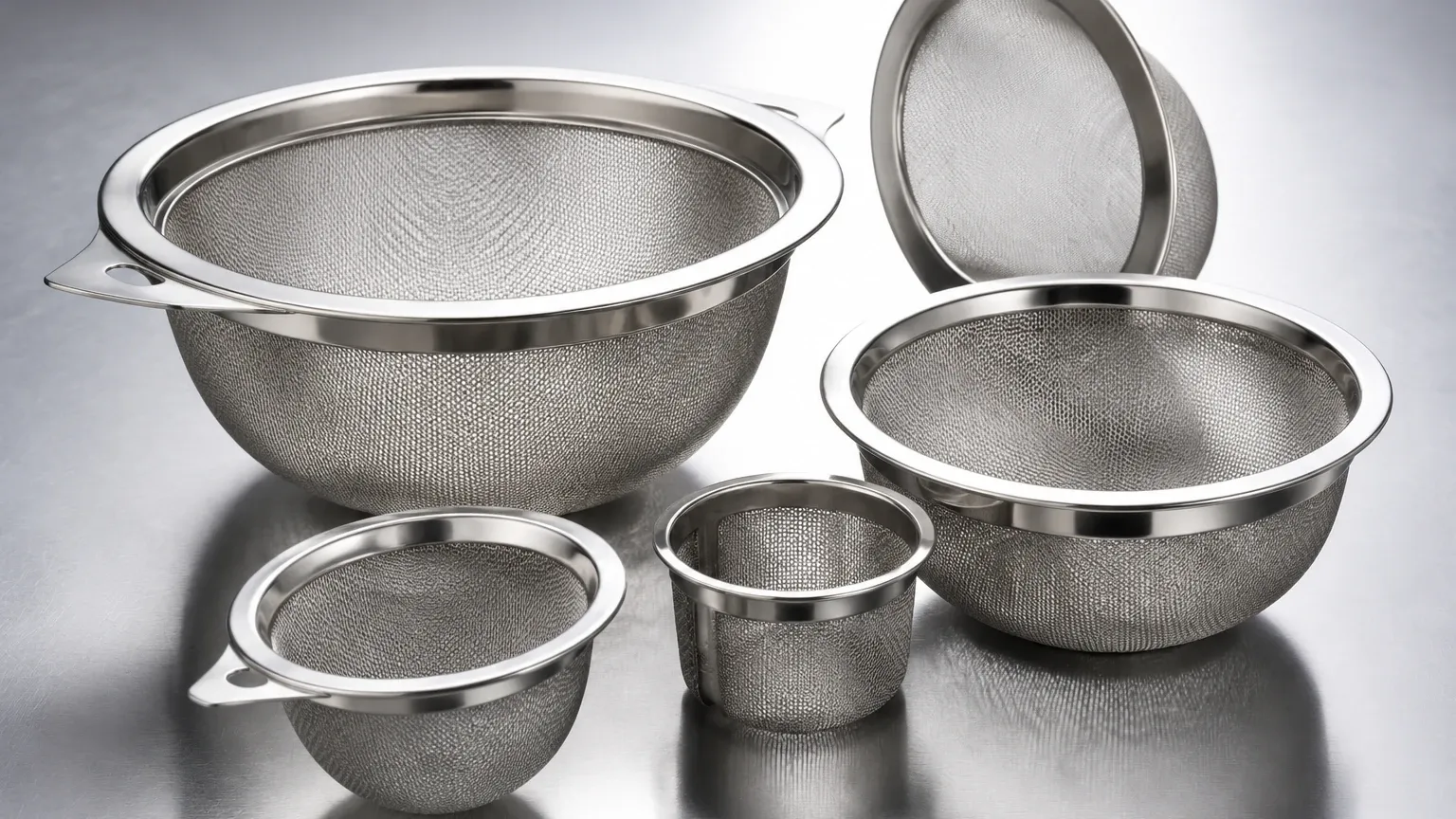
Strainer Bowl
In the landscape of industrial fluid handling, the strainer bowl serves as a fundamental component for protecting downstream equipment from particulate contamination. As a central element within the broader category of Strainers & Baskets, the strainer bowl is designed to house the filter media, manage fluid velocity, and provide a collection point for debris. For engineers and procurement professionals, understanding the technical nuances of strainer bowl design—ranging from material metallurgy to pressure ratings—is essential for ensuring system reliability and minimizing total cost of ownership.
Industrial filtration systems rely on the structural integrity of the strainer bowl to maintain continuous operation under varying thermal and mechanical stresses. Whether utilized in chemical processing, water treatment, or the food and beverage industry, the selection of a strainer bowl must be guided by specific application parameters rather than generic specifications.
The Role of the Strainer Bowl in Industrial Filtration
The primary function of a strainer bowl is to act as a pressure vessel or containment unit that directs the flow of a fluid through a specialized mesh or perforated screen. Unlike simple inline filters, a strainer bowl is typically designed for high-capacity debris retention, allowing for longer intervals between cleaning cycles. The geometry of the bowl is engineered to reduce turbulence as the fluid enters the chamber, which helps in the efficient separation of solids from the liquid or gas stream.
In many configurations, the strainer bowl is the external housing that remains plumbed into the piping system, while the internal basket or screen is the removable element. However, in smaller or specialized applications, the term may refer to the entire assembly or a specific deep-drawn component used in suction or gravity-fed systems. Its presence is critical in protecting pumps, valves, nozzles, and heat exchangers from damage caused by scale, rust, or foreign objects.
Technical Specifications and Material Science
Material selection is the most critical factor in the engineering of a strainer bowl. Because these components are often exposed to corrosive chemicals, high temperatures, and abrasive particles, the choice of alloy determines the lifespan and safety of the filtration unit.
Stainless Steel Alloys
Stainless steel is the industry standard for high-performance strainer bowls due to its exceptional corrosion resistance and mechanical strength.
* Grade 304 Stainless Steel: Suitable for general-purpose applications, including water filtration and mild chemical processing. It offers good resistance to oxidation and is cost-effective for non-corrosive environments.
* Grade 316/316L Stainless Steel: The preferred choice for marine environments, pharmaceutical production, and aggressive chemical applications. The addition of molybdenum provides superior resistance to pitting and crevice corrosion, particularly in chloride-rich environments.
* Specialty Alloys: For extreme conditions involving highly acidic or alkaline fluids, manufacturers may utilize Duplex stainless steel or nickel-based alloys to ensure the strainer bowl does not suffer from stress corrosion cracking.
Manufacturing Processes
The structural integrity of a strainer bowl is also influenced by its manufacturing method. Precision-engineered bowls may be produced through deep drawing, which provides a seamless interior surface that minimizes bacterial growth and facilitates easy cleaning—a critical requirement in the food and pharmaceutical sectors. Alternatively, heavy-duty industrial bowls are often fabricated through precision welding, following strict ASME or ISO standards to ensure they can withstand high-pressure differentials.
Design Variations and Flow Characteristics
The efficiency of a strainer bowl is not merely a product of the mesh size it contains, but also its internal volume and flow path design. Engineers must evaluate several design factors to optimize performance.
Flow Velocity and Pressure Drop
A well-designed strainer bowl minimizes "Delta P" (differential pressure). If the bowl is too small for the required flow rate, the velocity of the fluid increases, leading to higher pressure drops and potential cavitation in downstream pumps. A larger strainer bowl provides a greater surface area for filtration, which reduces the frequency of maintenance and ensures a more stable flow profile.
Connection Types
Integration into existing piping systems requires specific connection types. Common options include:
* Flanged Connections: Used for high-pressure and large-diameter pipes where a secure, leak-proof seal is mandatory.
* Threaded Connections (NPT/BSP): Common in smaller systems and low-pressure applications.
* Sanitary Tri-Clamp: Essential for the food, beverage, and biotech industries to allow for rapid disassembly and cleaning (CIP/SIP processes).
Closure Mechanisms
The method used to seal the strainer bowl impacts the speed of maintenance. Bolted covers provide the highest pressure ratings but require more time to open. Quick-release V-band clamps or swing-bolt closures are often preferred in applications where the strainer needs frequent cleaning, as they allow operators to access the internal basket without specialized tools.
Customization and OEM Integration
Standard off-the-shelf filtration components often fail to meet the unique requirements of complex industrial systems. This is where custom manufacturing becomes a strategic advantage. A custom-designed strainer bowl can be tailored to fit into tight spatial envelopes or to accommodate specific inlet/outlet orientations that simplify piping layouts.
OEM (Original Equipment Manufacturer) services allow for the integration of additional features directly into the bowl design. These may include:
* Differential Pressure Ports: Pre-drilled and tapped ports for the installation of gauges or sensors that alert operators when the filter element is clogged.
* Drain and Vent Valves: Integrated ports that allow for the safe depressurization and draining of the bowl before maintenance.
* Magnetic Inserts: For applications involving metal machining or hydraulic fluids, magnetic rods can be placed within the strainer bowl to capture fine ferrous particles that might pass through a standard mesh.
* Specialized Coatings: Electropolishing or PTFE coatings can be applied to the internal surfaces of the bowl to prevent product adhesion and improve hygiene.
Operational Maintenance and Longevity
The longevity of a strainer bowl is directly tied to the maintenance protocols established by the facility. While the bowl itself is a static component, it is subject to wear from erosion and potential chemical attack over time.
Cleaning Cycles
Regular inspection of the strainer bowl is necessary to prevent the buildup of compacted solids. If debris is allowed to accumulate beyond the capacity of the internal basket, it can create significant backpressure, potentially leading to the collapse of the filter element or damage to the bowl's sealing surfaces. In automated systems, backwashing cycles can be used to clear the media without opening the bowl, but manual inspection is still recommended to check for signs of pitting or seal degradation.
Gasket and Seal Replacement
The seal between the strainer bowl and its cover is a common point of failure. Depending on the fluid being processed, seals may be made from Viton, EPDM, Buna-N, or PTFE. These materials degrade at different rates based on temperature and chemical exposure. Including seal inspection in a preventative maintenance program prevents costly leaks and environmental hazards.
Critical Factors for Engineering Specification
When specifying a strainer bowl for a new project or as a replacement part, engineers should confirm the following data points to ensure compatibility and performance:
1. Maximum Operating Pressure and Temperature: Ensure the bowl's wall thickness and material grade are rated for the system's extremes, including potential surges.
2. Fluid Compatibility: Verify that the alloy and seal materials are chemically compatible with the process fluid to prevent premature failure.
3. Required Micron Rating: While the bowl holds the media, the intended filtration fineness dictates the internal support structure needed within the bowl.
4. Flow Rate (GPM/LPM): Calculate the maximum flow rate to ensure the bowl size does not induce excessive turbulence or pressure drop.
5. Space Constraints: Confirm that there is sufficient clearance above or beside the bowl to remove the internal basket for cleaning.
By addressing these factors, purchasing teams can avoid the common pitfall of selecting a strainer based solely on pipe size, which often leads to undersized units that hamper system efficiency.
Conclusion
The strainer bowl is a vital safeguard in industrial fluid systems, providing the structural and functional foundation for effective filtration. From the selection of high-grade 316L stainless steel for corrosive environments to the implementation of custom OEM designs for specific machinery, the quality of the strainer bowl directly impacts the reliability of the entire production line. For those seeking high-performance solutions, focusing on precision manufacturing and technical compliance ensures that the Strainers & Baskets utilized in their facilities will provide durable, long-term service in even the most demanding industrial applications.
