


Strainer Glass
In industrial filtration, the ability to monitor the internal state of a process without interrupting the flow is a critical engineering requirement. The term "strainer glass," often referring to the sight glass or viewing window integrated into industrial Strainers & Baskets, serves as the primary interface between the operator and the filtration process. For engineers and maintenance teams in the chemical processing, pharmaceutical, and food and beverage sectors, the selection and maintenance of these transparent components are as vital as the filter media itself.
A strainer glass assembly allows for the visual inspection of fluid clarity, flow consistency, and, most importantly, the accumulation of debris within the filter element. Without this visual aid, operators must rely solely on differential pressure gauges or scheduled shutdowns, which can lead to either premature maintenance or catastrophic filter failure. This guide explores the technical specifications, material considerations, and engineering best practices for integrating and maintaining strainer glass components in high-performance filtration systems.
The Role of Visual Monitoring in Industrial Filtration
Industrial filtration systems are designed to remove particulate matter from liquids and gases to protect downstream equipment, such as pumps, valves, and nozzles. While automated sensors provide data-driven insights, the human element of visual inspection remains a cornerstone of industrial safety and quality control.
Monitoring Debris Accumulation
In basket strainers, the strainer glass provides a direct view of the filter basket. By observing the level of captured solids, operators can determine the optimal time for a cleaning cycle. This is particularly important in applications with inconsistent particulate loads, where a fixed maintenance schedule might be inefficient. Visual monitoring helps prevent the overloading of the basket, which can lead to mesh deformation or bypass leaks.
Fluid Clarity and Quality Control
In industries like pharmaceutical manufacturing or food processing, the color and clarity of the fluid are direct indicators of product quality. A sight glass allows for immediate detection of process upsets, such as a ruptured filter bag or an unexpected chemical reaction. If the fluid passing through the strainer glass appears turbid or off-color, the process can be halted before the contaminated product reaches the final stages of production.
Flow Dynamics and Entrained Air
Beyond particulate monitoring, the strainer glass is essential for observing flow dynamics. Entrained air or gas bubbles in a hydraulic or lubrication system can lead to cavitation and equipment damage. A clear viewing window allows technicians to identify aeration issues early, enabling them to troubleshoot seals or intake points before mechanical failure occurs.
Material Selection for Strainer Glass Components
The "glass" in a strainer assembly is rarely standard window glass. Because industrial strainers often operate under high pressure, extreme temperatures, and exposure to corrosive chemicals, the material must be engineered for durability and safety. The two most common materials used are borosilicate glass and soda-lime glass, each with distinct performance profiles.
Borosilicate Glass
Borosilicate glass is the industry standard for demanding applications. It is characterized by its high resistance to thermal shock and chemical attack. In chemical processing plants where strainers handle acidic or alkaline fluids, borosilicate prevents the etching and clouding that would obscure visibility in lesser materials. Its low coefficient of thermal expansion makes it ideal for steam-jacketed strainers or processes involving rapid temperature fluctuations.
Soda-Lime Glass
Soda-lime glass is a more cost-effective option typically reserved for low-pressure, ambient-temperature applications, such as water treatment or basic lubrication systems. While it provides excellent clarity, it is more susceptible to thermal stress and chemical degradation than borosilicate. Engineers must carefully evaluate the maximum operating temperature and chemical compatibility before specifying soda-lime glass for a strainer assembly.
Plastics and Polymers
In certain specialized applications, transparent polymers like polycarbonate or acrylic may be used. These materials offer superior impact resistance compared to glass, making them suitable for environments where mechanical shock is a risk. However, they generally have lower temperature limits and can be scratched or clouded by certain solvents, necessitating frequent replacement.
Engineering Considerations for Pressure and Temperature
Integrating a transparent window into a pressurized stainless steel vessel introduces a potential point of failure. Therefore, the design of the strainer glass assembly must adhere to strict engineering standards to ensure it can withstand the system's operational stresses.
Pressure Ratings and Safety Factors
The thickness of the strainer glass is determined by the maximum allowable working pressure (MAWP) of the system. Engineers use complex formulas that account for the unsupported diameter of the glass, the tensile strength of the material, and a significant safety factor (often 8:1 or higher). For high-pressure applications, tempered glass is frequently used. Tempering involves a heat-treatment process that creates internal compressive stresses, significantly increasing the glass's strength and ensuring that, if it does break, it shatters into small, less-dangerous fragments.
Thermal Stress Management
Temperature gradients across the glass can cause uneven expansion, leading to cracks. In systems where the fluid is significantly hotter or colder than the ambient environment, the strainer glass must be mounted in a way that allows for thermal expansion. This is typically achieved through the use of specialized gaskets and cushions that isolate the glass from the rigid metal housing of the Strainers & Baskets.
Sealing and Gasket Compatibility
The integrity of a strainer glass assembly is only as good as its seals. The gaskets used to seat the glass must provide a leak-proof seal while remaining compatible with the process fluid and the operating temperature.
* PTFE (Teflon): Highly valued for its near-universal chemical resistance. It is the preferred choice for pharmaceutical and aggressive chemical applications, though it has limited elasticity.
* EPDM: Commonly used in food and beverage applications due to its excellent resistance to hot water and steam, as well as its FDA compliance.
* Viton (FKM): Ideal for high-temperature applications and systems involving oils, fuels, and many chemicals.
* Graphite: Used in extreme high-temperature environments where elastomeric gaskets would fail, though it lacks the transparency-friendly properties of other materials.
Proper torqueing of the bolts holding the glass cover in place is essential. Uneven pressure can create stress concentrations in the glass, leading to premature failure. Engineers should always follow the manufacturer's torque specifications and use a cross-pattern tightening sequence.
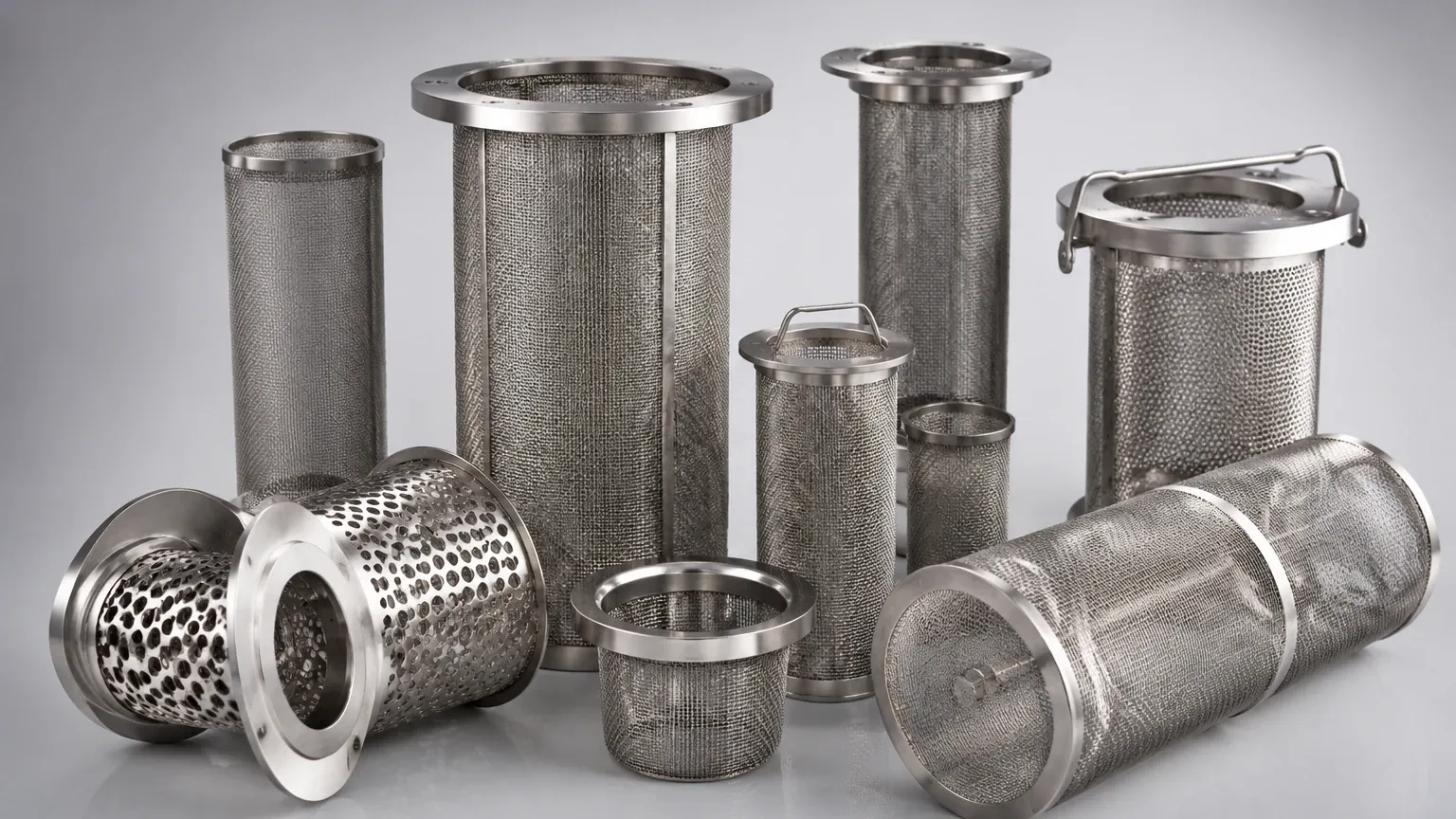
Maintenance, Cleaning, and Safety Protocols
To maintain the functionality of a strainer glass, a regular maintenance and inspection schedule must be implemented. Over time, the glass may become obscured by mineral deposits, chemical etching, or physical abrasion.
Cleaning Procedures
Cleaning should be performed using non-abrasive agents to avoid scratching the surface. Scratches not only reduce visibility but also act as stress risers that can lead to glass failure under pressure. For stubborn deposits, specialized chemical cleaners compatible with both the glass and the surrounding stainless steel should be used.
Inspection for Wear and Damage
During routine maintenance, the strainer glass should be inspected for:
1. Scratches and Pits: Any surface damage that can be felt with a fingernail is a sign that the glass should be replaced.
2. Clouding or Etching: This indicates chemical incompatibility or the end of the material's service life.
3. Leaking Gaskets: Any sign of moisture around the glass assembly suggests that the gaskets have degraded or the bolts have loosened.
4. Thinning: In highly abrasive slurries, the glass itself can be eroded over time, reducing its pressure-bearing capacity.
Safety Shields and Lighting
In high-pressure or hazardous fluid applications, it is common practice to install a secondary safety shield (often made of polycarbonate) over the strainer glass. This shield protects operators from potential glass shards or fluid spray in the event of a primary glass failure. Additionally, dedicated sight glass lights (explosion-proof if necessary) can be mounted to the assembly to provide better illumination of the strainer's interior.
Customization and Specialized Configurations
Every industrial process has unique requirements, and standard off-the-shelf strainer glass assemblies may not always suffice. Manufacturers like Kaifil specialize in providing customized filtration solutions that integrate specific monitoring needs.
Dual-Window Designs
In large basket strainers, a single window may not provide enough light to see the bottom of the basket. A dual-window configuration—where one window acts as a light port and the other as a viewing port—significantly improves visibility and allows for more accurate assessments of debris levels.
Wiper Systems and Spray Rings
For fluids that tend to coat the glass (such as oils, resins, or syrups), manual or automated wiper systems can be integrated. These allow the operator to clean the internal surface of the glass without opening the strainer. Alternatively, spray rings can be installed to flush the glass surface with a cleaning solvent or water.
Material Upgrades for Extreme Conditions
For applications involving hydrofluoric acid or concentrated hot phosphoric acid—chemicals that aggressively attack glass—specialized materials like sapphire or fused silica may be required. While significantly more expensive, these materials provide the necessary durability for critical processes.
Conclusion: Selecting the Right Solution
The integration of a strainer glass into your industrial filtration system is a strategic decision that enhances operational safety, product quality, and maintenance efficiency. By understanding the technical nuances of material selection, pressure ratings, and sealing technologies, engineers can ensure that their Strainers & Baskets provide reliable service for years to come.
When specifying a system, always confirm the following with your manufacturer:
* The maximum operating pressure and temperature (including potential surges).
* The chemical composition of the process fluid and any cleaning agents used.
* The required visibility area and the need for internal illumination.
* Regulatory requirements (e.g., FDA, ASME, or 3-A Sanitary Standards).
Kaifil’s expertise in custom stainless steel filtration ensures that every component, from the precision-engineered wire mesh to the robust strainer glass assembly, is optimized for your specific industrial environment. Investing in high-quality viewing components is not just about visibility; it is about maintaining total control over your process and protecting your most valuable assets.
