


Strainer Jug
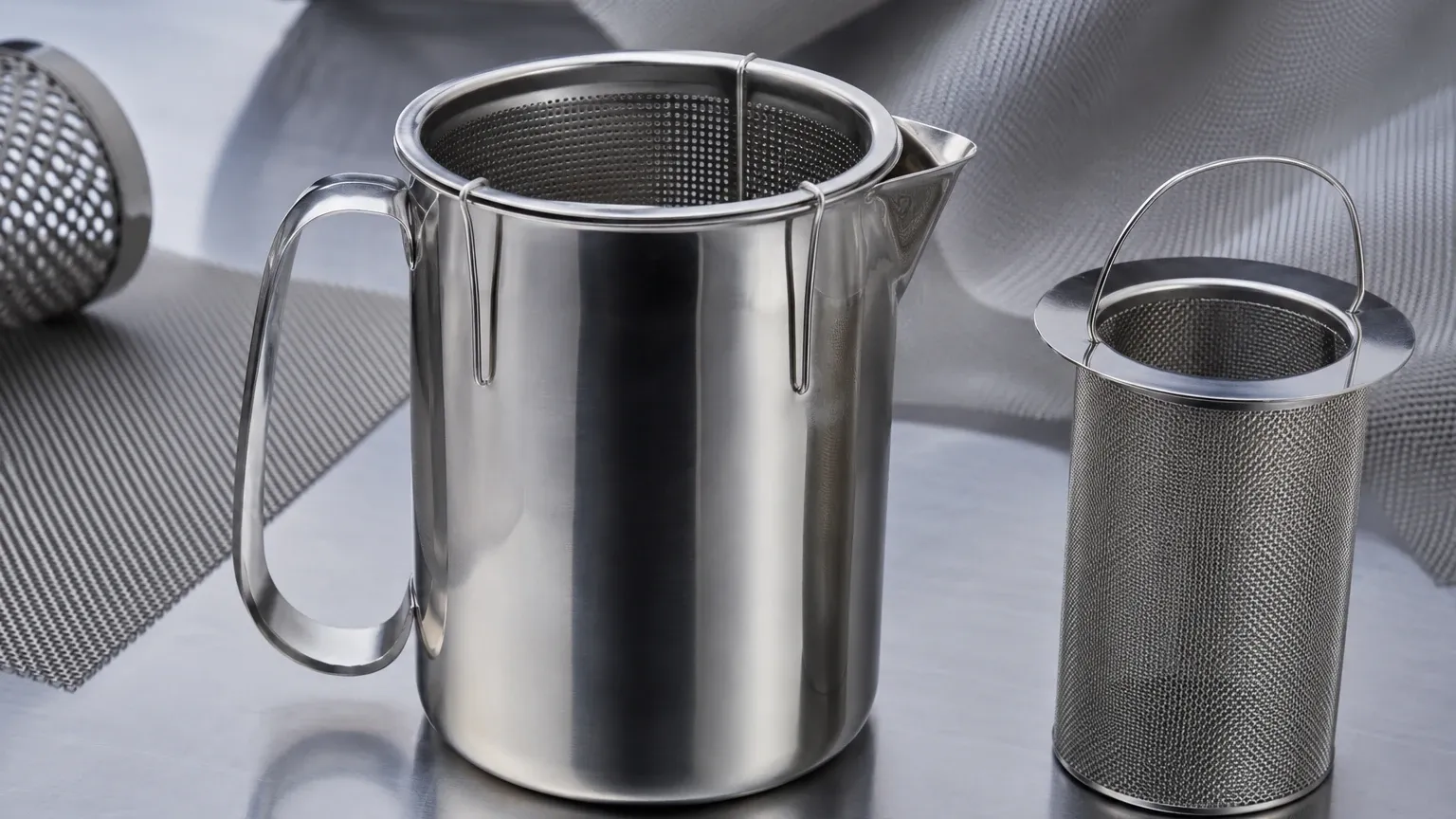
In the landscape of industrial filtration, the term "strainer jug" often refers to specialized, manual-use basket strainers or portable filtration vessels designed for small-batch processing, sampling, and the controlled transfer of fluids. Unlike large-scale inline piping strainers, these components are engineered for precision and portability, allowing technicians and engineers to remove particulate matter during manual pouring or decanting operations. For industries such as chemical processing, pharmaceuticals, and food production, the integrity of these filtration components is paramount to maintaining product purity and protecting downstream equipment.
When evaluating a strainer jug or a manual basket strainer for industrial use, the focus shifts from simple domestic utility to rigorous engineering standards. These units must withstand aggressive cleaning agents, resist corrosion from various chemical compositions, and provide repeatable filtration accuracy. As a professional manufacturer, Kaifil specializes in the custom fabrication of these stainless steel components, ensuring that every Strainers & Baskets solution meets the specific mechanical and chemical requirements of the application.
Engineering Design and Structural Components
The efficiency of an industrial strainer jug is determined by its structural design and the quality of its filtration media. In a B2B context, these are not generic containers but precision-engineered tools. The primary components include the outer vessel body, the filtration mesh or perforated metal insert, and the ergonomic handling features designed for industrial safety.
Material Selection: SS304 vs. SS316L
Material selection is the first critical decision for any engineer. Stainless steel 304 is often sufficient for general water treatment or food-grade applications where corrosion risk is moderate. However, for environments involving chlorides, high acidity, or pharmaceutical-grade hygiene, Stainless Steel 316L is the industry standard. The addition of molybdenum in 316L provides superior resistance to pitting and crevice corrosion, which is essential when the strainer jug is used for batching chemicals or saline solutions.
Filtration Media: Wire Mesh and Perforated Metal
The filtration core of the strainer jug typically utilizes one of two media types:
1. Woven Wire Mesh: Available in plain weave, twilled weave, or Dutch weave. Woven mesh allows for very fine filtration, often down to 5–10 microns. For industrial jugs, a multi-layer sintered mesh may be used to provide both high precision and the structural rigidity required to withstand manual handling.
2. Perforated Metal: Used primarily for coarse filtration or as a support structure for finer mesh. Perforated baskets are ideal for removing large debris, such as plastic pellets, large crystals, or organic matter, where high flow rates are more critical than absolute micron precision.
Industrial Applications of Manual Strainer Vessels
While automated filtration systems handle the bulk of fluid processing, manual strainer jugs and portable baskets serve vital roles in niche areas of the production line. Their portability allows for flexibility that fixed piping cannot offer.
Chemical Processing and Pilot Plants
In pilot plants and R&D laboratories, small batches of experimental chemicals must often be transferred between reaction vessels. A stainless steel strainer jug ensures that any unreacted solids or precipitated catalysts are captured before the fluid enters the next stage of analysis. The durability of stainless steel ensures that the vessel does not leach contaminants into the chemical batch, a common failure point for plastic alternatives.
Food and Beverage Production
In the food industry, manual straining is frequently required for additives, flavorings, or oils that are added in precise quantities to larger batches. A strainer jug used in this context must adhere to strict sanitary standards, featuring smooth welds and polished surfaces to prevent bacterial growth in "dead zones." The ability to withstand high-temperature sterilization (CIP/SIP processes) makes stainless steel the only viable material for these applications.
Pharmaceutical and Biotech Sampling
Precision is non-negotiable in pharmaceutical sampling. When extracting a sample for quality control, a specialized strainer jug can be used to ensure the sample is free of large particulates that might interfere with analytical equipment. These jugs are often electropolished to achieve a surface roughness (Ra) of less than 0.4μm, minimizing the risk of cross-contamination between batches.
Key Performance Metrics for Strainers & Baskets
To select the correct filtration component, engineers must look beyond the physical dimensions and evaluate the performance metrics that impact the total cost of ownership and process efficiency.
Micron Rating and Capture Efficiency
The micron rating defines the size of the particles the strainer will retain. It is essential to distinguish between nominal and absolute ratings. A nominal rating refers to the ability to retain a percentage of particles of a certain size, while an absolute rating indicates that 99.9% of particles above that size will be captured. For a strainer jug used in critical batching, specifying an absolute rating ensures consistency in product quality.
Flow Rate and Pressure Drop
Even in manual pouring applications, the flow rate is a critical factor. If the mesh is too fine for the fluid's viscosity, the "strainer jug" will clog rapidly, leading to slow production and potential overflow. Engineers must calculate the open area of the mesh—the ratio of the area of the holes to the total area of the mesh. A higher open area allows for faster flow and lower pressure drop across the filter media.
Dirt Holding Capacity
The geometry of the basket within the jug determines its dirt holding capacity. A deeper basket with more surface area can hold more contaminants before requiring cleaning. In a B2B environment, maximizing the time between cleaning cycles is a key driver of operational efficiency.
Customization Options for Industrial Batch Filtration
One of the primary advantages of working with a manufacturer like Kaifil is the ability to customize the strainer jug to fit a specific workflow. Standard off-the-shelf products rarely meet the ergonomic and technical needs of a specialized industrial process.
* Handle and Pouring Spout Design: For safety, especially when handling hot or corrosive liquids, the handle must be robust and heat-resistant. The spout can be engineered to prevent dripping or splashing, which is vital for maintaining a clean and safe workspace.
* Reinforced Bases: For jugs that are frequently set down on hard industrial floors, a reinforced base or a "skirt" can prevent the bottom of the vessel from deforming over time.
* Integrated Lids: To prevent environmental contamination during the straining process, custom-fitted lids with silicone or PTFE gaskets can be integrated into the design.
* Graduated Markings: For applications requiring precise measurement, laser-etched volume markings on the interior of the jug allow the operator to monitor the amount of fluid being processed simultaneously with the filtration.
Maintenance and Durability of Stainless Steel Components
The longevity of a stainless steel strainer jug is one of its greatest assets, but it depends heavily on proper maintenance and cleaning protocols. Unlike disposable filters, stainless steel baskets are designed for hundreds of cycles.
Cleaning Procedures
Depending on the contaminant, cleaning may involve ultrasonic baths, high-pressure water jets, or chemical solvents. It is critical that the cleaning method does not damage the wire mesh. For example, using a wire brush on fine mesh can distort the pore size, effectively ruining the filter's accuracy. Engineers should establish standardized cleaning SOPs (Standard Operating Procedures) to ensure the filtration integrity is maintained.
Inspection for Wear
Regular inspection of the mesh-to-frame welds is necessary. In high-vibration environments or applications involving frequent thermal cycling, welds can develop micro-cracks. A compromised weld allows fluid to bypass the filter media, leading to "leakage" of contaminants. Using high-quality TIG (Tungsten Inert Gas) welding during the manufacturing phase significantly reduces this risk.
Selection Criteria: What Engineers Must Confirm
Before finalizing a purchase for industrial Strainers & Baskets, the purchasing team and engineering department should confirm the following technical details:
1. Fluid Compatibility: Does the stainless steel grade (304, 316, 316L) react with the process fluid at the operating temperature?
2. Particle Distribution: What is the size and shape of the particles being removed? Needle-like particles may require a different mesh weave than spherical particles.
3. Operating Temperature: Will the jug be used for cryogenic fluids or high-temperature oils? This affects the choice of gaskets and the type of welding required.
4. Regulatory Compliance: Does the component need to meet FDA, 3A, or ASME standards for sanitary design?
5. Total Cost of Ownership: While a custom stainless steel strainer jug has a higher upfront cost than plastic or lower-grade metal, its durability and cleanability often result in a lower cost per liter processed over the product's lifespan.
Conclusion
The industrial strainer jug is a specialized tool that bridges the gap between bulk filtration and manual fluid handling. By focusing on high-grade materials like SS316L, precision mesh weaving, and ergonomic customization, manufacturers can provide solutions that enhance both process safety and product purity. Whether used in a chemical lab or a food processing facility, the right strainer basket ensures that particulate contamination does not compromise the integrity of the final product. For engineers looking to optimize their manual filtration processes, selecting a partner with deep technical expertise in metal filtration is the most effective way to ensure long-term performance and reliability.
