


Strainer Oil Filter
In industrial fluid management, the integrity of a system often depends on the efficiency of its primary defense mechanism. A strainer oil filter serves as this critical first line of defense, designed to remove large-scale particulate matter from oil-based fluids before they reach sensitive downstream components such as pumps, valves, and heat exchangers. Unlike fine secondary filters that target microscopic contaminants, industrial strainers focus on protecting the system from mechanical wear and catastrophic failure caused by debris, scale, and foreign objects.
Selecting the correct strainer oil filter requires a deep understanding of fluid dynamics, material compatibility, and the specific operational demands of the industrial environment. Whether utilized in hydraulic systems, lubrication circuits, or chemical processing lines, these components must balance filtration efficiency with the need to maintain consistent flow rates and manageable pressure levels.
The Role of Strainers in Industrial Oil Systems
The primary function of an industrial oil strainer is the removal of solids from a flowing liquid. In oil applications, these solids can range from metal shavings and welding slag to pipe scale and external contaminants introduced during maintenance. By capturing these particles, the strainer prevents abrasive wear on pump impellers and ensures that precision-machined valves do not seize.
Engineers often distinguish between "straining" and "filtering" based on the size of the particles removed and the medium used. Strainers typically utilize a perforated metal or wire mesh screen to perform surface filtration. This design is particularly effective for oil because it allows for high flow rates and is often cleanable and reusable, which significantly reduces the total cost of ownership compared to disposable depth filters.
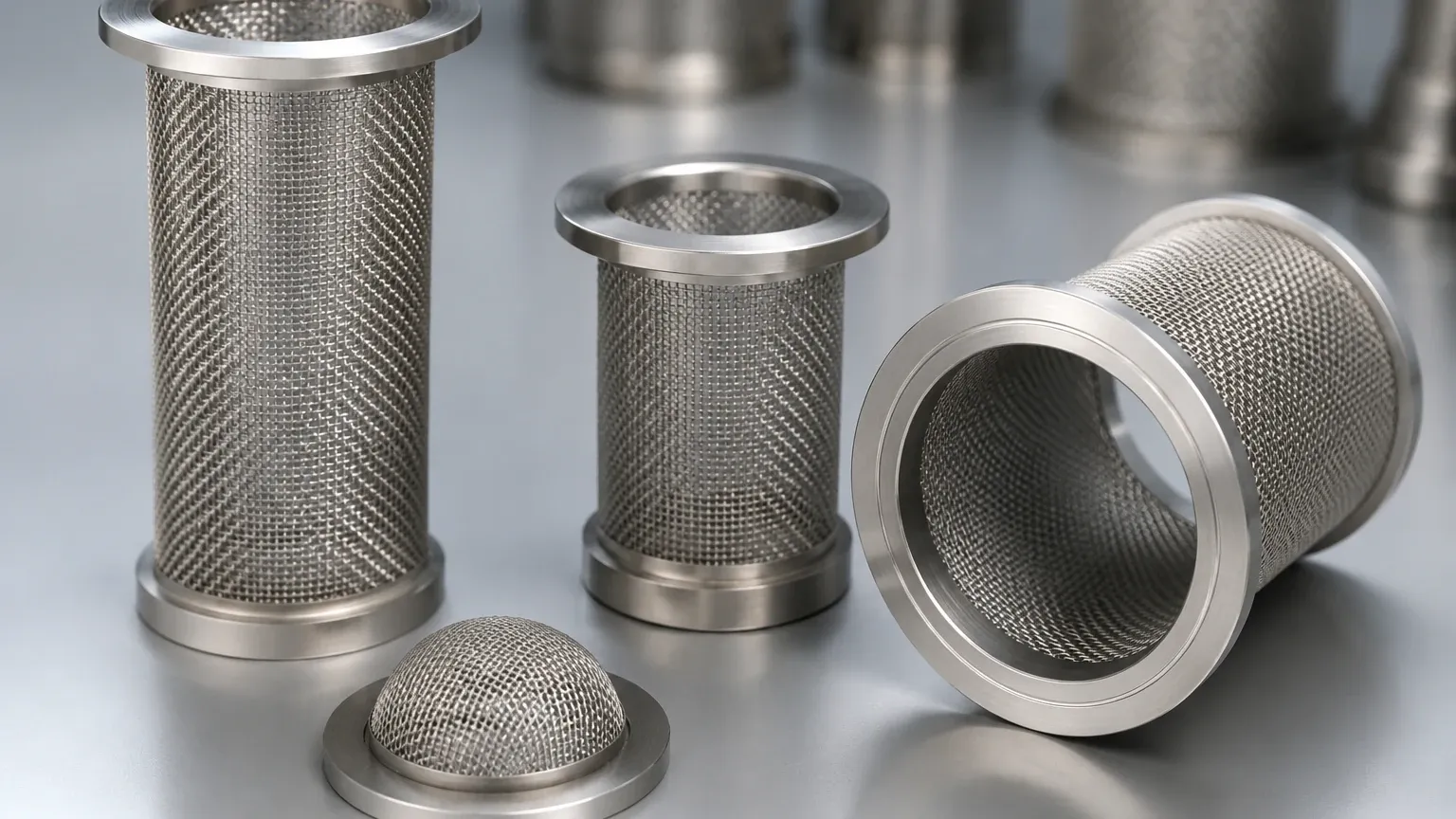
In many heavy-duty applications, Strainers & Baskets are installed on the suction side of the pump. This placement is strategic; it protects the pump from large debris that could cause cavitation or mechanical damage. However, because suction-side filtration can lead to pressure drops that starve the pump, the engineering of the strainer—specifically its open area ratio—is of paramount importance.
Technical Specifications and Engineering Considerations
When specifying a strainer oil filter for an industrial application, several technical parameters must be evaluated to ensure performance and longevity. These are not merely suggestions but critical engineering boundaries that dictate the success of the filtration system.
Mesh Size and Micron Rating
The most fundamental specification is the filtration degree, often expressed in mesh size or microns. In oil filtration, the goal is often to remove particles down to a specific threshold that the downstream equipment can tolerate.
* Mesh Size: Refers to the number of openings per linear inch. A higher mesh number indicates a finer screen.
* Micron Rating: Refers to the actual size of the opening. For example, a 100-mesh screen typically has an opening of approximately 149 microns.
For oil systems, engineers must consider the "nominal" vs. "absolute" rating. Most strainers provide a nominal rating, meaning they will trap a high percentage of particles of a specific size but may allow some smaller or elongated particles to pass through. If the application requires 100% removal of a specific particle size, an absolute-rated element may be necessary, though this often results in a higher pressure drop.
Open Area Ratio (OAR)
The Open Area Ratio is the relationship between the total area of the openings in the strainer element and the internal cross-sectional area of the pipe. A well-engineered strainer oil filter should ideally have an OAR of at least 4:1. This ensures that even as the strainer begins to collect debris, there is still enough unobstructed area to allow the oil to flow without causing an excessive pressure drop.
Material Selection for Oil Filtration
The choice of material for the strainer body and the internal basket is dictated by the chemical composition of the oil, the operating temperature, and the presence of any corrosive agents. Stainless steel is the industry standard for high-performance industrial oil strainers due to its exceptional durability and resistance to oxidation.
Stainless Steel 304 vs. 316
* Type 304 Stainless Steel: This is the most common material for industrial strainers. It provides excellent strength and good corrosion resistance for most mineral oils and hydraulic fluids. It is a cost-effective solution for standard industrial environments.
* Type 316 Stainless Steel: For applications involving synthetic oils, high-temperature chemical processing, or environments with high salt or acid exposure, 316 stainless steel is preferred. The addition of molybdenum enhances its resistance to pitting and crevice corrosion, making it essential for the pharmaceutical and chemical industries.
Using high-quality stainless steel wire mesh ensures that the filter element can withstand high differential pressures without deforming or "bursting." This structural integrity is vital in oil systems where viscosity changes—due to temperature fluctuations—can create sudden spikes in pressure.
Comparing Strainer Oil Filter Configurations
Industrial Strainers & Baskets come in various configurations, each suited to different operational needs. Selecting the right design depends on whether the process can be paused for cleaning and the volume of contaminants expected.
Simplex Basket Strainers
A simplex strainer is used in systems where the flow can be shut down periodically to remove and clean the basket. These are commonly found in batch processing or in systems with redundant lines. The basket design allows for a large holding capacity for debris, which extends the time between cleaning cycles.
Duplex Basket Strainers
For continuous processes where downtime is not an option, a duplex strainer is required. This configuration consists of two separate strainer chambers connected by a diverting valve. When one basket becomes clogged, the flow is diverted to the clean chamber, allowing the operator to remove and clean the dirty basket without interrupting the flow of oil. This is critical in power generation and large-scale manufacturing where a system shutdown could result in significant financial loss.
Y-Strainers
Y-strainers are typically used for smaller pipe diameters or in applications where the amount of debris is minimal. They are more compact than basket strainers and can be installed in either horizontal or vertical pipelines. However, their debris-holding capacity is lower, making them less ideal for heavily contaminated oil streams.
Optimizing Flow Rates and Pressure Management
One of the most common challenges in oil filtration is managing the relationship between fluid viscosity and pressure drop (Delta P). Oil is significantly more viscous than water, and its viscosity changes dramatically with temperature.
The Impact of Viscosity
As oil temperature drops, its viscosity increases. A strainer oil filter that performs perfectly at an operating temperature of 60°C may cause a massive pressure drop during a "cold start" at 10°C. Engineers must size the strainer based on the highest possible viscosity the system will encounter. If the pressure drop across the strainer exceeds the pump's net positive suction head (NPSH) requirements, it can lead to pump damage.
Monitoring Performance
To manage this risk, industrial oil systems should be equipped with differential pressure gauges. These gauges measure the pressure before and after the strainer. A rising Delta P indicates that the basket is filling with debris. Establishing a clear "clean," "warning," and "change-out" pressure threshold is essential for preventative maintenance.
Maintenance, Cleaning, and Replacement Cycles
One of the primary advantages of using stainless steel Strainers & Baskets is their cleanability. Unlike disposable cartridges, a stainless steel basket can be cleaned and returned to service multiple times, provided the mesh has not been damaged.
Cleaning Procedures
Cleaning an oil strainer basket typically involves removing the element and using a compatible solvent to dissolve the oil residue, followed by ultrasonic cleaning or back-flushing with air or water to dislodge trapped particulates. It is crucial to inspect the mesh for any signs of "blinding" (where particles are permanently wedged in the mesh) or mechanical fatigue. If the wire mesh is frayed or the support structure is bent, the element must be replaced to prevent bypass—where unfiltered oil leaks around the damaged area.
Total Cost of Ownership (TCO)
While the initial investment in a high-quality stainless steel strainer is higher than that of a plastic or low-grade metal alternative, the TCO is significantly lower. The durability of stainless steel, combined with the ability to clean and reuse the elements, reduces waste and long-term procurement costs. Furthermore, the protection provided to expensive downstream machinery prevents costly repairs and unplanned downtime.
Customization and OEM Solutions for Oil Filtration
Every industrial application has unique constraints, from space limitations in a hydraulic power unit to specific filtration requirements in a food-grade oil refinery. Standard off-the-shelf strainers may not always meet these needs.
Customization options often include:
* Custom Dimensions: Tailoring the basket height and diameter to fit existing housings.
* Reinforced Structures: Adding perforated metal backing to fine wire mesh to handle high-pressure surges.
* Specialty Coatings: Applying coatings for additional chemical resistance or to facilitate easier cleaning.
* Magnetic Inserts: Adding magnetic rods to the center of the basket to capture fine ferrous particles that might otherwise pass through the mesh.
As a professional manufacturer, Kaifil specializes in these custom solutions. By working closely with engineering teams, we develop Strainers & Baskets that are precisely tuned to the flow characteristics and contaminant profiles of specific industrial oil systems.
Conclusion
The selection of a strainer oil filter is a technical decision that impacts the reliability and efficiency of the entire industrial process. By focusing on high-quality materials like stainless steel, understanding the nuances of mesh selection and pressure management, and choosing the right configuration for the workflow, engineers can ensure long-term system health.
Whether you are designing a new lubrication system or optimizing an existing chemical process, confirming the compatibility of your filtration components with your specific oil type and operating conditions is the most important step toward achieving optimized performance. For those requiring precision-engineered components, exploring specialized Strainers & Baskets offers a path to durable and cost-effective filtration solutions.
