


Strainer on Antenna
In the realm of industrial infrastructure and specialized communications, the term "strainer on antenna" often refers to the critical protective components and mechanical tensioning hardware used to ensure the longevity and signal integrity of antenna systems. While the word "strainer" is most commonly associated with liquid filtration in chemical or food processing, the engineering principles behind Strainers & Baskets are frequently applied to the protection and stabilization of sensitive electronic equipment in harsh environments.
For engineers and procurement professionals managing industrial sites, offshore platforms, or remote sensing stations, understanding the role of high-quality stainless steel mesh and structural baskets in antenna protection is essential. This guide explores the technical specifications, material considerations, and engineering challenges associated with implementing a strainer on antenna systems.
Technical Functions of an Antenna Strainer
When discussing a strainer on antenna, the application generally falls into two categories: mechanical tensioning (insulator strainers) and environmental protection (mesh shrouds or baskets). Both applications rely on the precision manufacturing techniques used in industrial filtration to provide durability and performance.
Mechanical Tensioning and Support
In wire antenna systems, particularly those used for long-range industrial communication (HF/VHF), the "strainer" acts as a mechanical insulator. It is designed to take the physical strain of the antenna wire, preventing it from snapping under wind load or ice accumulation while electrically isolating the active element from the support structure. These components must be manufactured from materials that offer high tensile strength and resistance to environmental degradation.
Environmental and Debris Protection
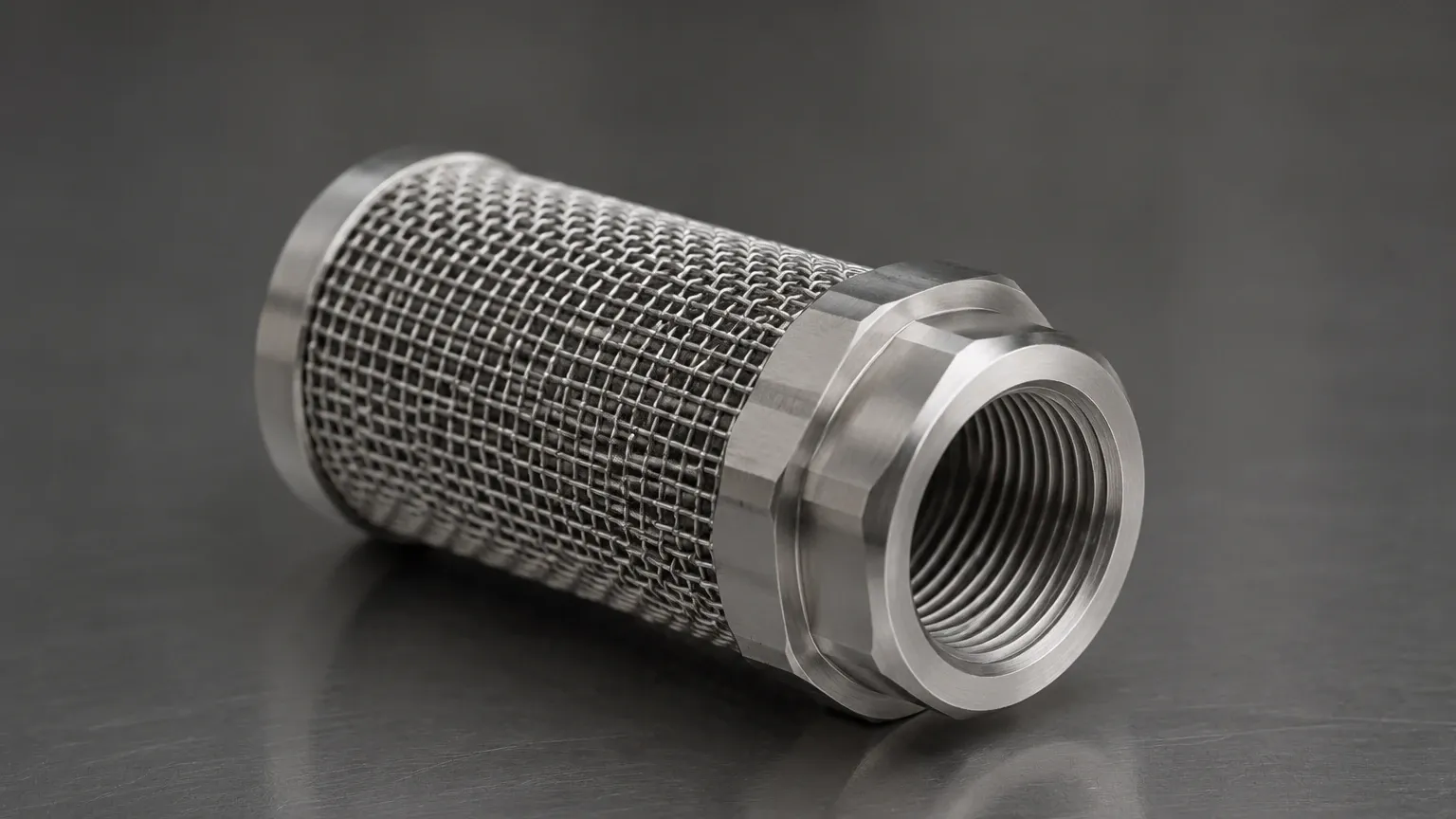
In high-debris environments—such as near cooling towers, chemical exhaust stacks, or maritime zones—antennas are often encased in a protective mesh basket. This "strainer" prevents large particulate matter, birds, or wind-blown debris from physically damaging the antenna elements. Unlike a solid radome, a mesh strainer allows for airflow, which is critical for heat dissipation in high-power transmission equipment, and reduces the wind profile of the assembly.
Engineering Considerations for Industrial Strainers & Baskets
Specifying a strainer on antenna requires a deep understanding of material science and mechanical engineering. Because these components are often installed in inaccessible locations, such as the tops of towers or offshore rigs, the cost of failure is high.
Material Selection: SS304 vs. SS316
For most industrial antenna applications, stainless steel is the material of choice due to its balance of strength and corrosion resistance.
* Stainless Steel 304: Suitable for inland industrial environments where moisture is present but corrosive chemical exposure is low. It provides excellent structural integrity for mesh baskets and tensioning hardware.
* Stainless Steel 316/316L: Mandatory for maritime, coastal, or heavy chemical environments. The addition of molybdenum provides resistance to pitting and crevice corrosion caused by chlorides (salt spray). When manufacturing a strainer on antenna for an offshore platform, 316L is the industry standard to ensure a service life of decades rather than years.
Mesh Density and Signal Interference
When using a mesh basket or strainer as a protective shroud, engineers must calculate the "open area" of the mesh. In filtration, this determines flow rate; in antenna protection, it determines signal attenuation. A mesh that is too dense may act as a Faraday cage, blocking or reflecting the very signals the antenna is meant to receive. Conversely, a mesh that is too loose may not provide adequate protection against smaller debris or provide the necessary structural rigidity. Precision-woven wire mesh allows for exact control over these variables.
Customization Options for Specialized Filtration Components
Standard off-the-shelf solutions rarely meet the exacting requirements of specialized industrial antenna installations. Customization is often necessary to account for unique geometries, mounting requirements, and environmental stressors.
Tailored Geometries
Industrial antennas come in various shapes—yagi, dipole, dish, or whip. A protective strainer must be designed to fit the specific footprint of the equipment without interfering with its movement (in the case of tracking dishes) or its radiation pattern. Custom Strainers & Baskets can be fabricated using CNC forming and precision welding to match these complex shapes.
Reinforced Structural Frames
For large-scale antenna systems, the mesh itself is often not enough. A structural frame, usually made from stainless steel rod or bar stock, provides the skeleton for the strainer. This ensures that the component can withstand high-velocity winds (up to 200 km/h or more) without deforming. The welding technique used—typically TIG (Tungsten Inert Gas) or resistance welding—is vital for ensuring that the joints do not become points of failure under vibration.
Maintenance and Longevity in Harsh Environments
A strainer on antenna is a "set and forget" component in theory, but in practice, it requires a maintenance strategy to ensure the primary equipment remains functional.
Inspection for Fatigue and Corrosion
Even the highest quality stainless steel can suffer from fatigue if subjected to constant harmonic vibration from wind. Regular inspections should look for broken wires in the mesh or hairline cracks at the weld points. In coastal areas, "tea staining" (surface oxidation) should be monitored; while often cosmetic, it can precede more serious structural corrosion if the protective chromium oxide layer of the steel is compromised.
Cleaning Cycles
In environments with high particulate matter, such as near cement plants or mining operations, the mesh of the strainer can become clogged. This increases the wind load on the antenna tower and can potentially trap moisture against the antenna elements, leading to accelerated degradation. A regular cleaning schedule using low-pressure water or specialized solvents may be required to maintain the "openness" of the strainer.
Selecting the Right Strainer for Industrial Communications
When purchasing a strainer on antenna, engineers should confirm several key data points with the manufacturer to ensure the component is fit for purpose.
1. Load Requirements: For tensioning strainers, what is the maximum breaking strength? For protective baskets, what is the maximum wind load the structure can support?
2. Environmental Grade: Is the stainless steel certified? Does the manufacturer provide material mill reports to verify the alloy composition?
3. Filtration/Mesh Specs: What is the wire diameter and the mesh count? How will these specs impact the specific frequency range of the antenna?
4. Finish: Is the component passivated or electropolished? Electropolishing is particularly beneficial for maritime applications as it creates a smoother surface that is less likely to hold salt crystals or pollutants.
The Role of Stainless Steel Mesh in Protective Enclosures
Stainless steel wire mesh is the preferred medium for an antenna strainer because of its versatility. Unlike solid enclosures, mesh can be engineered to be nearly transparent to certain radio frequencies while remaining an impenetrable barrier to physical objects.
Furthermore, the thermal properties of stainless steel are advantageous. It does not become brittle in extreme cold (down to -40°C and below), which is a common failure mode for plastic or composite radomes. In high-temperature industrial zones, the high melting point of stainless steel ensures that the protective strainer remains intact even in the event of nearby equipment failure or fire.
Conclusion
While the concept of a strainer on antenna may seem niche, it represents a vital intersection of filtration technology and communication engineering. By utilizing the same high-precision manufacturing processes used for industrial Strainers & Baskets, facility managers can protect their most sensitive communication assets from the rigors of the industrial environment.
Choosing the right material, ensuring structural integrity through custom design, and understanding the impact of mesh density on signal performance are the hallmarks of a successful installation. Whether the goal is to provide mechanical tension to a wire antenna or to shield a receiver from wind-blown debris, a well-engineered stainless steel strainer is an investment in system reliability and long-term operational success.
