


Strainer Spoon
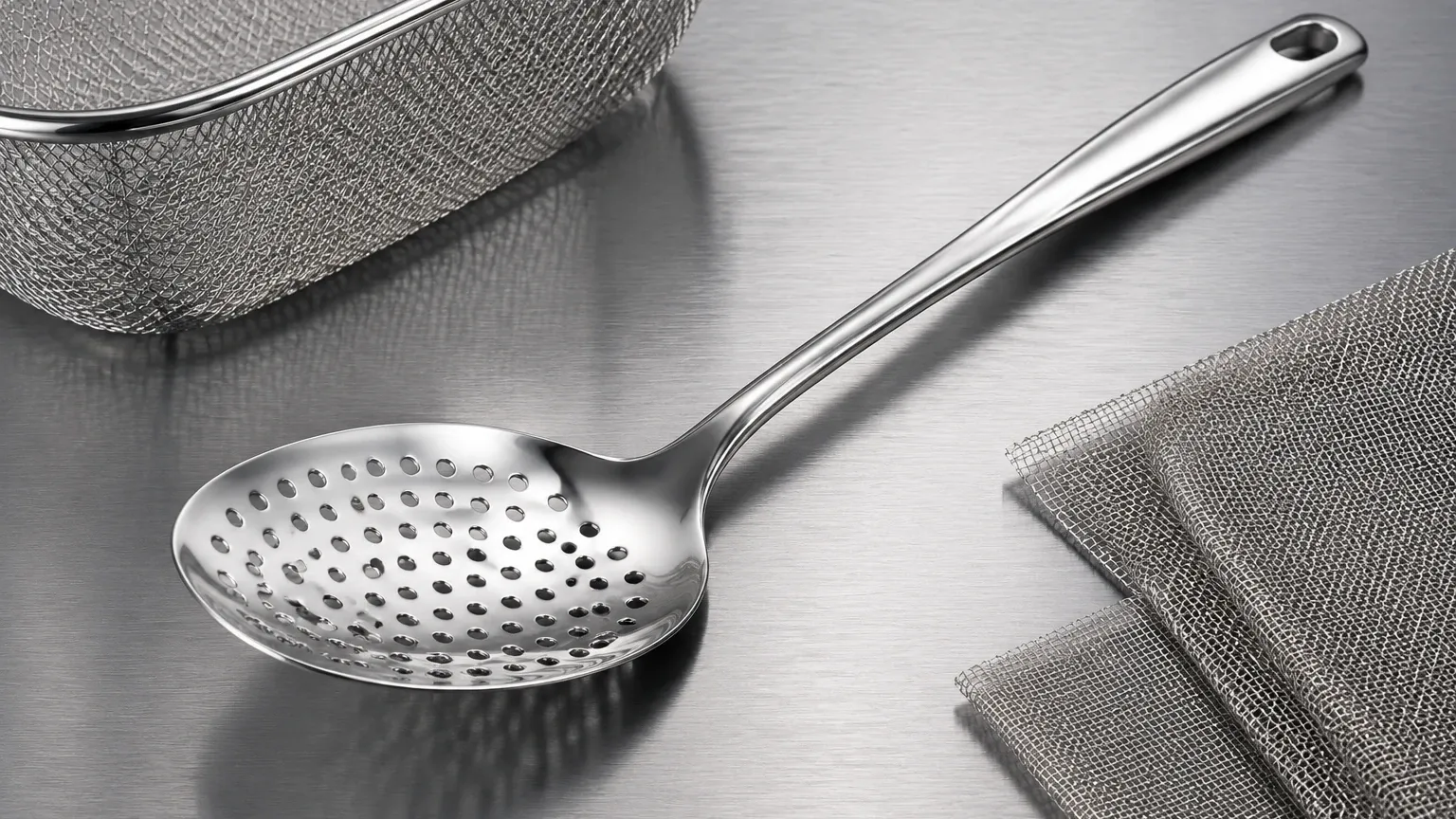
In the landscape of industrial fluid handling and process engineering, the term "strainer spoon" often refers to specialized, high-precision manual filtration tools used for sampling, quality control, and small-batch processing. While larger, automated systems handle the bulk of fluid filtration, the industrial-grade strainer spoon remains a critical component for engineers and technicians who require manual intervention to ensure process integrity. Unlike consumer-grade utensils, industrial strainer spoons are engineered to withstand corrosive environments, extreme temperatures, and rigorous sterilization protocols common in chemical, pharmaceutical, and food processing sectors.
For facilities managing high-volume flow, these manual tools often serve as the first line of inspection before fluids enter larger Strainers & Baskets systems. Understanding the technical specifications, material requirements, and engineering considerations of these tools is essential for maintaining a sterile and efficient production line.
Technical Engineering of Industrial Strainer Spoons
The design of an industrial strainer spoon is dictated by the specific rheology of the fluid and the size of the particulates being managed. Engineers must evaluate several mechanical factors when selecting or customizing these tools to ensure they do not become a point of failure or contamination in the process.
Material Selection and Metallurgy
Most industrial applications demand the use of austenitic stainless steel, typically Grade 304 or Grade 316L. Grade 316L is preferred in pharmaceutical and marine environments due to its molybdenum content, which provides superior resistance to pitting and crevice corrosion in chloride-rich environments. For high-acid food processing or aggressive chemical sampling, specialized alloys may be required to prevent metal leaching into the product.
Filtration Media: Mesh vs. Perforation
The "bowl" of the strainer spoon can be constructed using two primary methods:
1. Woven Wire Mesh: This allows for high open-area ratios and precise micron ratings. It is ideal for capturing fine particulates or skimming surface tension in liquid batches. The weave type (plain, twilled, or dutch) determines the mechanical strength and flow resistance.
2. Perforated Metal: Created by punching holes into a solid metal sheet, perforated designs offer greater structural rigidity. They are easier to clean and are less likely to trap particles within the media, making them suitable for heavy-duty applications where large debris or viscous materials are present.
Applications in Industrial Process Control
While Strainers & Baskets are integrated into piping systems for continuous filtration, the strainer spoon is utilized in scenarios where automated systems are impractical or where manual verification is mandated by quality assurance (QA) protocols.
Pharmaceutical and Biotech Sampling
In pharmaceutical manufacturing, maintaining the homogeneity of a mixture is vital. A strainer spoon is often used to take samples from a reactor vessel to check for agglomeration or unexpected precipitate. These spoons must feature a high-polish finish (often electropolished) to achieve a low Ra (Roughness Average) value, ensuring that no microbial growth can occur in microscopic surface imperfections.
Food and Beverage Processing
In large-scale industrial kitchens or food production plants, strainer spoons are used to remove "floaters" or byproduct solids during the initial stages of cooking or extraction. Because these tools come into direct contact with consumable products, they must adhere to FDA and 3-A Sanitary Standards. This includes seamless welding between the handle and the bowl to eliminate "dead zones" where bacteria could proliferate.
Chemical and Laboratory Use
Chemical engineers utilize specialized strainers to separate catalysts from liquid reactants in pilot-scale operations. The tool must be chemically inert to the solvents being used. In these cases, the handle length is an engineering consideration, as it must allow the operator to reach deep into a drum or vat while maintaining a safe distance from potentially hazardous fumes or splashes.
Integration with Industrial Strainers & Baskets
A common misconception is that manual straining tools and inline filtration systems operate independently. In a well-engineered facility, they are part of a holistic filtration strategy. The manual strainer spoon is frequently used to clear debris from the top of a basket strainer during maintenance cycles or to inspect the contents of a filter bag to diagnose a process upset.
When a system's Strainers & Baskets show a sudden increase in differential pressure, technicians use manual strainers to identify the nature of the blockage. By analyzing the particulates captured manually, engineers can determine if the upstream equipment is failing (e.g., pump seal fragments) or if the raw material quality has shifted.
Key Evaluation Criteria for Procurement
When purchasing or commissioning custom strainer spoons for industrial use, procurement teams should confirm the following technical benchmarks with the manufacturer:
* Filtration Accuracy: Specify the exact hole diameter or mesh count required. Using a mesh that is too fine can lead to rapid blinding (clogging), while a mesh that is too coarse will fail to capture the target contaminants.
* Structural Integrity: For spoons used in high-viscosity fluids like resins or heavy oils, the handle-to-bowl joint must be reinforced. A standard spot weld is often insufficient for industrial leverage; full TIG (Tungsten Inert Gas) welding is usually required.
* Thermal Limits: If the tool will be used in boiling liquids or cryogenic sampling, the thermal expansion coefficients of the materials must be considered to prevent warping or stress cracking.
* Handle Ergonomics and Safety: In B2B environments, safety is paramount. Handles should be designed with non-slip grips or heat-dissipating geometries if the tool is used in high-temperature processes.
Maintenance and Sterilization Protocols
The longevity of stainless steel filtration tools depends heavily on maintenance. In industrial settings, these tools are often subjected to Clean-in-Place (CIP) or Sterilization-in-Place (SIP) cycles.
1. Ultrasonic Cleaning: For fine mesh strainer spoons, traditional scrubbing can damage the wire weave. Ultrasonic baths are the industry standard for removing microscopic particles lodged in the mesh intersections.
2. Chemical Passivation: Periodically, stainless steel tools should undergo passivation—a treatment with a mild oxidant (like nitric acid) to remove free iron from the surface and enhance the protective chromium oxide layer.
3. Visual Inspection: Regular audits should check for wire fraying or "media migration," where broken wires from the mesh might enter the product stream. This is a critical risk in food and pharma sectors.
Customization and OEM Capabilities
Standard off-the-shelf solutions rarely meet the exacting needs of a specialized chemical plant or a high-tech laboratory. Manufacturers like Kaifil provide OEM services to tailor the dimensions and performance characteristics of filtration components. Customization options often include:
* Variable Handle Lengths: Ranging from standard 12-inch handles to 60-inch extensions for deep-tank access.
* Bespoke Bowl Shapes: Square, conical, or flat-bottomed bowls designed to fit the contours of specific processing vessels.
* Multi-Layer Mesh: Sintering multiple layers of wire mesh together to create a spoon that has the filtration fineness of a thin cloth but the structural strength of a steel plate.
By selecting a manufacturer that understands the nuances of industrial Strainers & Baskets, companies can ensure that even their smallest manual tools meet the same rigorous standards as their primary filtration infrastructure.
Conclusion: The Role of Precision in Manual Tools
While the strainer spoon may appear to be a simple tool, its role in industrial process control is vital. It bridges the gap between automated filtration and human oversight, providing a reliable means of sampling and manual cleaning in demanding environments. By focusing on high-grade materials like 316L stainless steel, precise mesh engineering, and sanitary design principles, engineers can minimize the risk of contamination and ensure the longevity of their equipment. When integrated correctly with a broader system of Strainers & Baskets, these tools become indispensable assets in maintaining the efficiency and safety of modern industrial production.
