


Strainer Waste
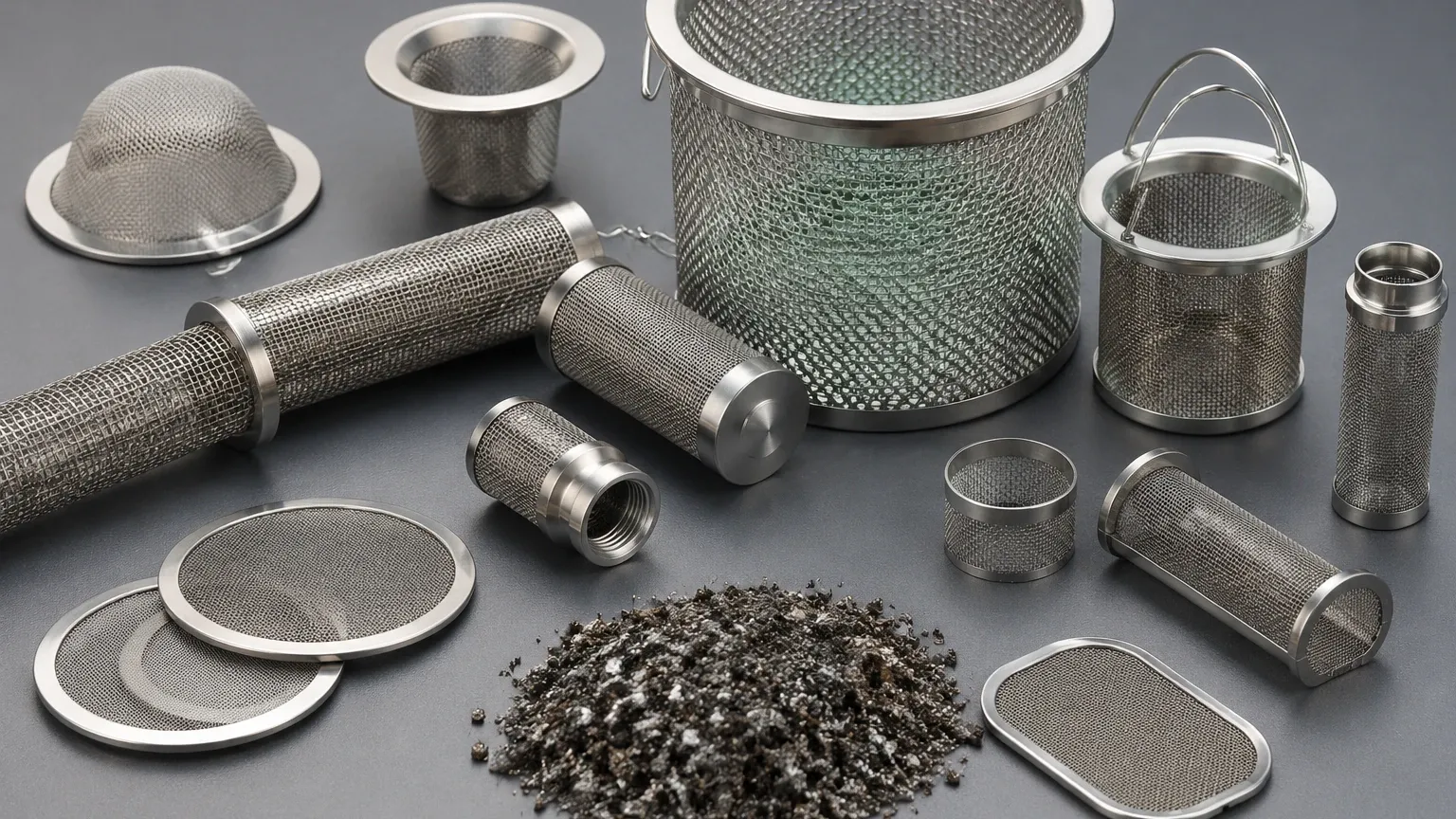
In the context of industrial fluid handling and process engineering, the term "strainer waste" refers to the integrated system or component designed to capture, manage, and facilitate the removal of solid contaminants from a liquid stream. While often associated with domestic plumbing in a consumer context, industrial strainer waste assemblies are high-performance engineering solutions critical for protecting downstream equipment such as pumps, flow meters, heat exchangers, and spray nozzles. These systems rely on robust Strainers & Baskets to ensure that particulate matter is effectively isolated without compromising the flow dynamics of the entire operation.
For engineers and maintenance professionals, understanding the nuances of strainer waste management is essential for maintaining system uptime and preventing costly mechanical failures. This guide explores the technical specifications, material considerations, and engineering principles that govern the selection and implementation of industrial strainer waste solutions.
Understanding the Mechanics of Strainer Waste Systems
An industrial strainer waste system functions as a mechanical barrier. As fluid passes through the strainer body, the internal element—typically a perforated metal sheet or a woven wire mesh basket—intercepts solids larger than the specified micron rating. The accumulated material, or the "waste," remains trapped within the basket or at the bottom of the housing until it is removed via a blow-down valve or manual cleaning.
Effective waste management in a filtration circuit is defined by the relationship between the filtration area and the flow velocity. If the strainer waste assembly is undersized, the velocity of the fluid increases as the mesh becomes blinded by debris. This leads to a rapid increase in differential pressure (ΔP), which can eventually cause the filter element to collapse or allow contaminants to bypass the seal. Therefore, the design of the basket must account for the expected volume of waste to ensure a sustainable cleaning cycle.
Technical Specifications: Mesh, Perforation, and Micron Ratings
The core of any strainer waste assembly is the media. Engineers must select the media based on the specific characteristics of the waste they intend to capture.
1. Perforated Metal: Often used as a primary strainer or as a support backup for finer mesh. Common hole patterns include staggered round holes, which provide a balance between structural strength and open area.
2. Woven Wire Mesh: Used for finer filtration requirements. Mesh is defined by the number of openings per linear inch. For example, a 100-mesh screen has 100 openings per inch, suitable for capturing very fine particulate waste.
3. Micron Rating: This defines the ability of the strainer to remove particles of a specific size. In industrial applications, the distinction between nominal and absolute micron ratings is vital. A nominal rating indicates the ability to trap a percentage of particles, while an absolute rating implies the capture of all particles above that size.
When specifying Strainers & Baskets, the "Open Area Ratio" is a critical metric. This is the ratio of the total area of the holes in the basket to the cross-sectional area of the inlet pipe. A common engineering standard is a 4:1 ratio, which ensures that the strainer can be significantly loaded with waste before the pressure drop affects system performance.
Material Selection and Chemical Compatibility
Industrial environments often involve corrosive fluids, high temperatures, or strict hygienic requirements. The materials used in a strainer waste assembly must be selected to withstand these conditions to prevent premature failure or fluid contamination.
* Stainless Steel 304: The standard for general-purpose industrial applications. It offers good corrosion resistance and is cost-effective for water treatment and non-corrosive chemical processing.
* Stainless Steel 316/316L: Contains molybdenum, which provides superior resistance to chlorides and pitting. This is the preferred material for marine environments, pharmaceutical manufacturing, and the food and beverage industry.
* Specialty Alloys: For highly aggressive chemical waste, materials like Monel, Hastelloy, or Titanium may be required, though these are typically reserved for specialized OEM designs.
Beyond the metal itself, the seals and gaskets used in the waste discharge area must be compatible with the process fluid. Common materials include EPDM, Viton (FKM), and PTFE. Failure to match the gasket material to the chemical profile of the fluid can lead to leaks at the waste outlet, posing safety risks and environmental hazards.
Pressure Drop and Flow Dynamics
The primary indicator of a strainer waste assembly's performance is the pressure drop across the unit. Every strainer introduces some resistance to flow, even when clean. As waste accumulates, this resistance increases. Engineers must calculate the "Clean Pressure Drop" using the flow coefficient (Cv) provided by the manufacturer.
If the pressure drop exceeds a certain threshold—typically 5 to 10 psi in many industrial systems—the strainer is considered "dirty" and requires intervention. High-pressure drops not only reduce the efficiency of the pump but can also lead to cavitation, which causes mechanical damage to the pump impellers. Monitoring the waste accumulation via differential pressure gauges is a standard industry practice to optimize the timing of maintenance cycles.
Maintenance and Cleaning of Strainer Waste Assemblies
The method of removing strainer waste depends on the design of the housing. There are two primary configurations used in industrial settings:
Simplex Strainers
Simplex units are used in batch processes where the flow can be intermittently stopped. To remove the waste, the system is depressurized, the cover is removed, and the basket is manually cleaned. This is a cost-effective solution but requires downtime.
Duplex Strainers
For continuous processes, duplex strainers consist of two separate chambers connected by a diverting valve. When one chamber’s basket is full of waste, the flow is diverted to the second chamber. This allows the operator to clean the first basket without interrupting the process flow. This is essential in applications like lubrication systems for large turbines or continuous chemical production lines.
Automatic Self-Cleaning Strainers
In high-volume applications with heavy waste loads, automatic systems use a backwashing or mechanical scraping mechanism to remove waste. This reduces labor costs and ensures a consistent pressure drop, although the initial capital investment is higher.
Customization and OEM Solutions for Complex Waste Profiles
Standard off-the-shelf strainers may not suffice for applications involving non-spherical particles, high-viscosity fluids, or extremely high pressures. In these instances, custom-engineered Strainers & Baskets are necessary.
Customization options include:
* Reinforced Baskets: For high-pressure applications where the differential pressure might exceed 50 psi, baskets can be reinforced with external cages or internal skeletons to prevent deformation.
* Magnetic Inserts: For capturing ferrous waste that might be smaller than the mesh size, such as fine iron filings in hydraulic oil.
* Specialized Coatings: Such as PTFE lining for extreme chemical resistance or electropolishing for pharmaceutical applications to prevent bacterial growth in the waste collection area.
Engineering Checklist for Selecting Strainer Waste Components
Before purchasing or specifying a strainer waste solution, procurement teams and engineers should confirm the following technical parameters:
1. Fluid Properties: What is the viscosity, density, and chemical composition of the fluid?
2. Contaminant Characteristics: What is the particle size, shape, and concentration of the waste? Is it hard, soft, or fibrous?
3. Operating Conditions: What are the maximum operating pressure and temperature? Are there pressure surges or thermal cycling?
4. Flow Rate: What is the minimum, normal, and maximum flow rate (GPM or m³/h)?
5. Allowable Pressure Drop: What is the maximum ΔP the system can tolerate before the process is affected?
6. Cleaning Requirements: Is downtime acceptable for manual cleaning, or is a duplex/automatic system required?
By addressing these factors, engineers can ensure that the selected strainer waste assembly provides reliable protection for the system's infrastructure while minimizing the total cost of ownership through extended service life and reduced maintenance frequency.
The Role of Precision Manufacturing in Filtration Efficiency
The efficacy of a strainer waste system is only as good as the precision of its components. Gaps in the basket seating area or bypass through poorly welded seams can allow waste to migrate downstream, defeating the purpose of the filtration unit. High-quality manufacturing processes, such as those utilized by Kaifil, ensure that mesh and perforated materials are joined with structural integrity and that tolerances are maintained to prevent bypass.
In demanding sectors like chemical processing or water treatment, the durability of the Strainers & Baskets directly impacts the safety and efficiency of the facility. Investing in well-engineered strainer waste solutions is a proactive strategy to safeguard expensive machinery and maintain the purity of industrial fluid streams.
