


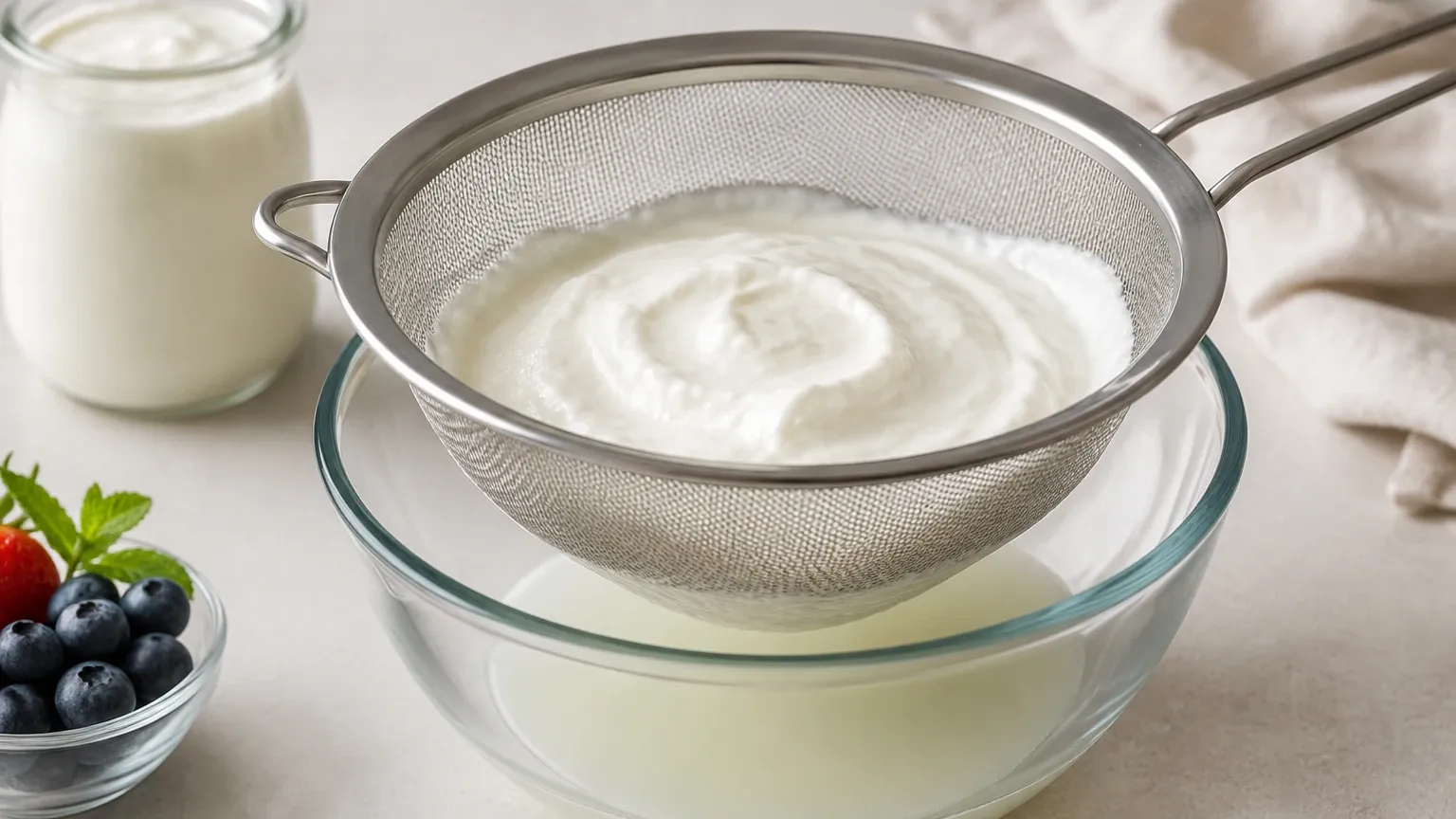
Strainer Yoghurt
In the industrial dairy processing sector, the production of concentrated yogurt—often referred to as Greek-style or strained yogurt—relies heavily on precise separation technologies. The process of transforming standard yogurt into a thicker, high-protein product involves the systematic removal of acid whey. This is achieved through mechanical separation, where the choice of filtration media and the structural integrity of the equipment are paramount. For engineers and production managers, selecting the correct Strainers & Baskets is a critical decision that impacts product consistency, yield, and food safety compliance.
This technical guide explores the engineering considerations, material requirements, and operational parameters involved in utilizing a strainer yoghurt system within a commercial dairy environment. By understanding the mechanical nuances of whey separation, facilities can optimize their throughput while maintaining the delicate texture required by global quality standards.
Understanding the Industrial Yogurt Straining Process
Industrial yogurt production differs significantly from artisanal methods. While the fundamental principle remains the removal of liquid whey from the yogurt solids, the scale and speed of commercial operations require robust, automated systems. The straining process typically occurs after fermentation, once the yogurt has reached the desired pH level. At this stage, the yogurt is a non-Newtonian fluid with a specific viscosity that changes under stress.
To achieve the desired concentration, the yogurt is passed through a series of stainless steel filtration components. The primary objective is to allow the low-viscosity whey to permeate the filter media while retaining the milk solids (casein and fats). This process requires a delicate balance of pressure and surface area. If the pressure is too high, the delicate curd structure can be damaged, leading to a grainy texture. If the filtration surface is insufficient, the process slows down, leading to production bottlenecks.
Key Components: Strainers & Baskets in Dairy Filtration
The heart of the separation system lies in the Strainers & Baskets used to house the filter media. In a B2B context, these are not mere containers but precision-engineered components designed to withstand high differential pressures and frequent cleaning cycles.
Basket Design and Structural Integrity
Industrial baskets for yogurt straining are typically constructed from perforated stainless steel sheets or heavy-duty wire mesh. The basket provides the structural support for finer filter liners or may act as the primary filter itself. Given the weight of the yogurt mass and the pressure applied during the separation phase, the basket must be resistant to deformation. Any warping of the basket can lead to bypass, where unstrained yogurt escapes around the edges of the filter, compromising the final product's consistency.
Mesh Selection for Whey Permeability
The long-tail keyword strainer yoghurt refers to the specific application of mesh in separating whey. The mesh size is measured in microns, and for yogurt, this typically ranges between 5 to 50 microns depending on the desired thickness of the final product and the initial protein content of the milk. A finer mesh results in a thicker yogurt but requires more time or higher pressure, whereas a coarser mesh increases throughput but may result in the loss of some solids into the whey stream.
Material Selection and Food-Grade Standards
In dairy processing, material selection is non-negotiable. All components must meet stringent sanitary standards, such as those set by 3-A Sanitary Standards or EHEDG. For a strainer yoghurt application, stainless steel is the industry standard due to its corrosion resistance and ease of sterilization.
Stainless Steel 304 vs. 316L
While Grade 304 stainless steel is common in many industrial applications, Grade 316L is often preferred for dairy filtration. The "L" stands for low carbon, which improves weldability and reduces the risk of intergranular corrosion. Furthermore, 316L contains molybdenum, which provides superior resistance to the organic acids found in yogurt and the caustic chemicals used during Clean-in-Place (CIP) cycles.
Surface Finish and Ra Values
The internal surface finish of the strainers and baskets is critical for preventing bacterial growth. In the dairy industry, surfaces must be polished to a specific roughness average (Ra), typically less than 0.8 μm (32 μin). A smooth, electropolished surface ensures that milk proteins and fats do not adhere to the metal, facilitating more effective cleaning and reducing the risk of biofilm formation.
Technical Parameters for High-Viscosity Straining
Engineering a filtration system for yogurt requires a deep understanding of fluid dynamics. Yogurt is a shear-thinning fluid, meaning its viscosity decreases as it is agitated or pumped. However, during the straining process, as whey is removed, the concentration of solids increases, and the effective viscosity of the remaining mass rises sharply.
Flow Rates and Pressure Drop
As the yogurt thickens, the pressure drop across the Strainers & Baskets increases. Engineers must calculate the maximum allowable pressure drop ($ΔP$) to ensure the filter mesh does not burst or tear. In many systems, multiple straining stages are used: a coarse initial strain to remove the bulk of the whey, followed by a precision strain to reach the final protein concentration. This staged approach manages the pressure load and extends the life of the finer filter elements.
Temperature Considerations
Temperature plays a vital role in the efficiency of the strainer yoghurt process. Straining is often performed at chilled temperatures (approx. 4°C to 10°C) to maintain product stability and prevent microbial spoilage. However, colder yogurt is more viscous, requiring more robust filtration equipment. Conversely, warm straining (around 40°C) is faster but can impact the final texture and shelf life. The filtration hardware must be rated for the specific temperature range of the production line.
Cleaning and Maintenance: Ensuring Hygienic Integrity
One of the most significant challenges in dairy filtration is the maintenance of hygiene. Yogurt contains fats, proteins, and live cultures, all of which can cause rapid fouling of filter media. Effective maintenance protocols are essential for operational longevity and food safety.
Clean-in-Place (CIP) Compatibility
Modern industrial strainers must be fully CIP-compatible. This means the design must eliminate "dead zones" or stagnant areas where product can accumulate and escape the flow of cleaning solutions. The baskets should be easily removable for manual inspection or deep cleaning when necessary. The use of wedge wire or specialized mesh weaves can often improve the efficiency of backwashing or CIP processes by allowing cleaning agents to penetrate the filter media more effectively.
Replacement Cycles and Wear Monitoring
Over time, the repeated stress of filtration and the thermal shock of cleaning cycles can lead to fatigue in the wire mesh. Regular inspection of the Strainers & Baskets is necessary to identify broken wires or weakened welds. In high-volume facilities, a scheduled replacement cycle for filter inserts is recommended to prevent catastrophic failure during a production run, which could result in the loss of an entire batch of product.
Customization for Specialized Dairy Applications
No two dairy processing lines are identical. Factors such as the source of the milk, the specific culture strains used, and the desired mouthfeel of the final product dictate the need for customized filtration solutions.
Tailored Filtration Accuracy
Manufacturers like Kaifil provide the ability to customize the micron rating and weave type of the filter media within the baskets. For example, a twill weave might be used for higher strength in high-pressure applications, while a plain weave offers easier cleaning. Customizing the open area percentage of the mesh allows engineers to fine-tune the balance between filtration speed and solids retention.
OEM and Integration
For equipment manufacturers (OEMs) building dairy processing skids, the ability to integrate custom-designed Strainers & Baskets into existing pipework is essential. This includes specialized flange connections, housing dimensions, and handle configurations for easy operator access. Providing technical drawings and material certifications is a standard part of the B2B procurement process, ensuring that the components meet the broader system's engineering specifications.
Evaluating Total Cost of Ownership (TCO)
When purchasing industrial filtration components for a strainer yoghurt application, the initial purchase price is only one factor. Procurement teams should consider the Total Cost of Ownership, which includes:
1. Durability: High-quality 316L stainless steel and robust basket construction reduce the frequency of replacements.
2. Operational Efficiency: Optimized mesh design reduces the time required for whey separation, increasing daily production capacity.
3. Cleaning Costs: Components designed for efficient CIP reduce the consumption of water and expensive cleaning chemicals.
4. Product Yield: Precision filtration minimizes the loss of valuable milk solids into the whey stream.
By investing in high-performance filtration hardware, dairy processors can achieve a more stable production environment with fewer interruptions and higher product quality.
Conclusion: Confirming Requirements for Next Steps
Successful implementation of a yogurt straining system requires a collaborative approach between the dairy processor and the filtration manufacturer. Before finalizing a specification for Strainers & Baskets, engineers should confirm the following data points:
* Inlet Viscosity and Target Concentration: Defining the starting and ending solids content.
* Operating Pressure and Temperature: Ensuring the hardware is rated for the specific process conditions.
* Cleaning Protocols: Confirming compatibility with existing CIP chemicals and temperatures.
* Regulatory Compliance: Ensuring all materials and manufacturing processes meet local and international food safety standards.
For professional-grade filtration components that meet these rigorous demands, exploring specialized industrial solutions is the most reliable path to operational excellence. High-quality metal filtration components provide the precision and durability necessary to maintain the delicate balance of high-volume dairy production.
