


Strainer Zinc
In industrial filtration and fluid handling systems, the term "strainer zinc" typically refers to the strategic use of zinc components—either as sacrificial anodes or as protective coatings—to manage corrosion within strainer assemblies. For engineers and maintenance professionals, understanding the interaction between zinc and the primary materials of a filtration system, such as stainless steel or bronze, is critical for ensuring the longevity and reliability of Strainers & Baskets in demanding environments.
Industrial strainers are often exposed to corrosive fluids, including seawater, chemical process streams, and brackish water. In these conditions, the electrochemical relationship between different metals can lead to rapid degradation if not properly managed. This article examines the technical role of zinc in strainer systems, the engineering considerations for material selection, and how to optimize filtration performance through effective corrosion control.
Understanding the Role of Zinc in Industrial Strainers
The primary application of strainer zinc in industrial settings is to serve as a sacrificial anode. This is a fundamental principle of cathodic protection. When two dissimilar metals are submerged in an electrolyte (such as salt water or certain industrial chemicals), a galvanic cell is created. The more "active" metal (the anode) will corrode preferentially to the more "noble" metal (the cathode).
In a typical strainer assembly, the housing and internal basket are often made of stainless steel (304 or 316) or copper-based alloys. Zinc, being significantly more active on the galvanic series, is introduced into the system as a replaceable plug or rod. By sacrificing itself, the zinc anode prevents the more expensive structural components of the strainer from undergoing pitting or crevice corrosion. This is particularly vital in marine applications where seawater acts as a highly efficient electrolyte.
Beyond sacrificial anodes, "strainer zinc" may also refer to galvanized or zinc-plated carbon steel strainers. While less common in high-precision chemical processing than stainless steel, galvanized strainers offer a cost-effective solution for non-potable water systems where moderate corrosion resistance is required. However, for engineers, the choice between a zinc-coated component and a high-grade stainless steel filter depends heavily on the fluid chemistry and the expected service life of the equipment.
Material Compatibility: Zinc-Plated Steel vs. Stainless Steel
When specifying Strainers & Baskets, engineering teams must evaluate the trade-offs between different material finishes. Zinc-plated or galvanized steel provides a physical barrier and a degree of cathodic protection to the underlying iron. However, this protection is finite. Once the zinc layer is depleted, the base metal is exposed to the environment, often leading to rapid failure.
In contrast, stainless steel strainers rely on a passive chromium oxide layer for protection. While superior in most chemical environments, stainless steel is still susceptible to galvanic corrosion if it is connected to more noble metals or if it is used in stagnant, high-chloride environments without protection. In these scenarios, the addition of a strainer zinc anode is the standard engineering practice to extend the maintenance cycle.
Key differences include:
* Corrosion Rate: Zinc coatings are consumed over time; stainless steel remains stable unless the passive layer is compromised.
* Temperature Limits: Zinc-plated components may have lower temperature thresholds before the coating integrity is affected, whereas stainless steel maintains structural integrity at much higher temperatures.
* Fluid Contamination: In pharmaceutical or food-grade applications, zinc is generally avoided due to the risk of metal ion leaching. Stainless steel is the industry standard for these high-purity requirements.
Engineering Considerations for Galvanic Corrosion Prevention
To effectively implement strainer zinc protection, engineers must consider several technical factors during the design and procurement phase. The goal is to ensure that the zinc component is positioned to provide maximum protection without interfering with the fluid flow or the filtration efficiency of the basket.
Surface Area Ratios
The effectiveness of a sacrificial zinc anode depends on the ratio of the surface area of the anode to the surface area of the metal being protected. If the strainer housing is large and the zinc anode is too small, the protection will be insufficient, and the housing will still experience corrosion. Conversely, an oversized anode may lead to excessive buildup of zinc oxide, which can potentially clog the fine mesh of the filter basket.
Electrical Continuity
For a strainer zinc anode to work, there must be a secure electrical connection between the zinc and the metal it is intended to protect. This is usually achieved through NPT (National Pipe Thread) fittings where the zinc rod is screwed directly into the strainer body. If the threads are heavily taped with PTFE or other insulators, the cathodic protection may be neutralized.
Flow Dynamics
In high-velocity systems, the placement of the zinc anode must not create excessive turbulence. Turbulence can lead to erosion-corrosion, where the physical force of the fluid strips away the protective oxide layers. Strategic placement in the "quiet" zones of the strainer housing is often preferred.
Maintaining Strainer Zinc Components
Unlike the permanent components of a filtration system, strainer zinc is a consumable. Its effectiveness is directly tied to its mass. As the zinc reacts, it transforms into zinc oxide and gradually disappears. Regular inspection cycles are mandatory for systems relying on this form of protection.
Inspection Intervals
In most industrial and marine environments, zinc anodes should be inspected every six months. A general rule of thumb is to replace the zinc when it has lost approximately 50% of its original mass. Waiting until the anode is completely consumed leaves the Strainers & Baskets vulnerable to immediate galvanic attack.
Cleaning and Replacement
When replacing a strainer zinc anode, it is essential to clean the internal threads of the strainer housing to ensure good metal-to-metal contact for the new anode. If the system shows signs of rapid zinc depletion, it may indicate a stray current issue or a change in fluid conductivity, requiring a deeper technical audit of the piping system.
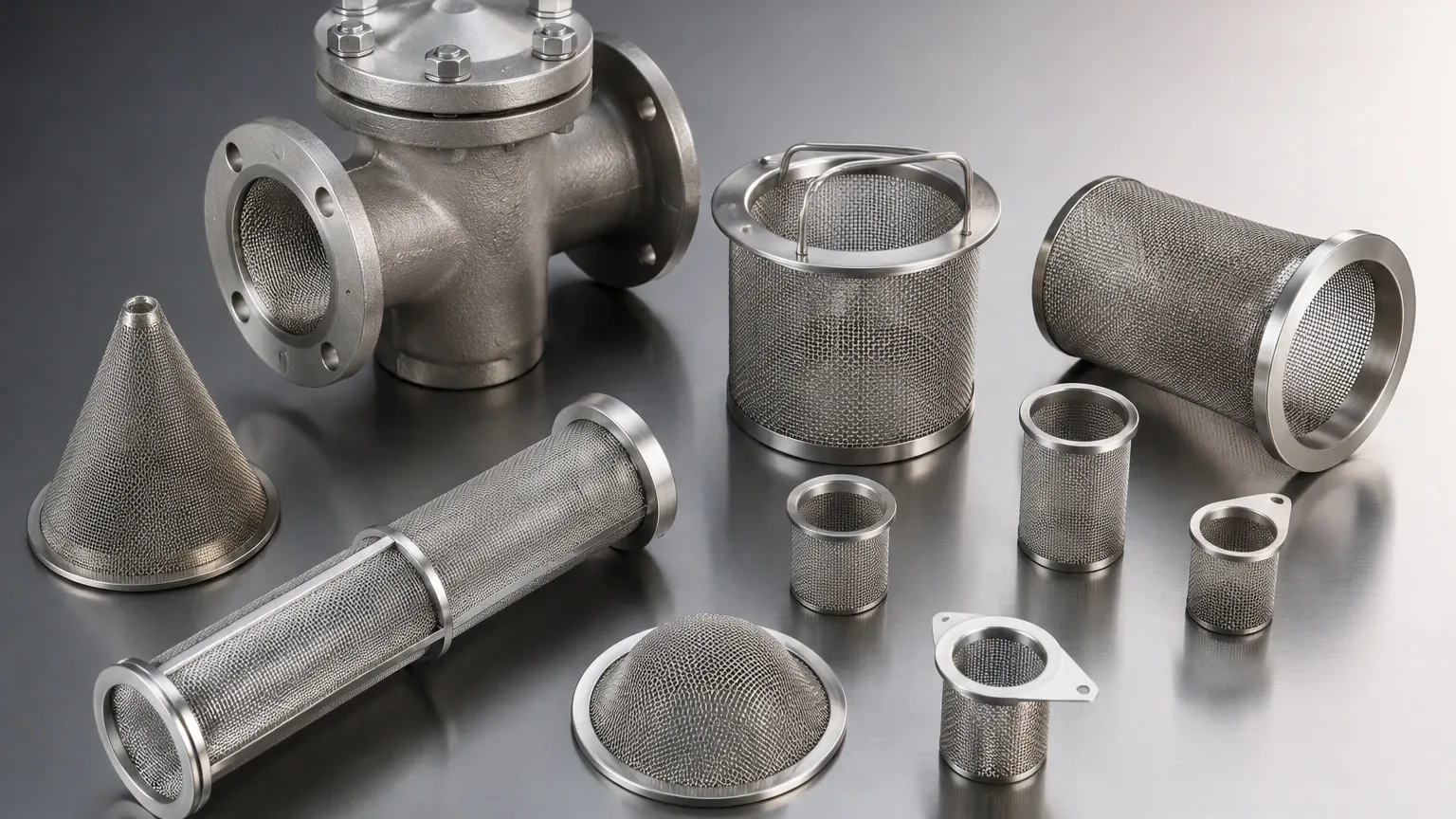
Selecting the Right Strainers & Baskets for Corrosive Applications
Choosing the correct filtration hardware involves more than just selecting a mesh size. It requires a holistic view of the operating environment. When dealing with corrosive media where strainer zinc is a consideration, purchasing teams should confirm the following specifications with their manufacturer:
1. Base Metal Composition: Ensure the housing and basket materials (e.g., 316L Stainless Steel) are compatible with the process fluid.
2. Anode Port Availability: For marine or high-conductivity fluids, confirm that the strainer housing includes dedicated ports for zinc anodes.
3. Mesh Durability: In systems where zinc oxide byproduct is expected, a slightly coarser mesh or a reinforced basket design may be necessary to prevent premature blinding.
4. Customization Requirements: Many industrial applications require custom-sized baskets or specialized alloy constructions (such as Duplex stainless steel) that may reduce the reliance on sacrificial anodes altogether.
By focusing on high-quality manufacturing and precise material selection, companies can significantly reduce the total cost of ownership. While zinc provides a layer of safety, the fundamental durability of the Strainers & Baskets remains the most important factor in system uptime.
Technical Specifications and Customization for Long-Term Durability
For specialized OEM applications, a "one-size-fits-all" approach to filtration often falls short. Custom stainless steel filtration solutions allow for the integration of corrosion-resistant features directly into the design. This might include specialized coatings, optimized flow paths to reduce stagnant zones, or the use of high-grade alloys that eliminate the need for strainer zinc in specific chemical environments.
When working with a manufacturer like Kaifil, engineers can specify the exact filtration accuracy required—from coarse straining to fine particle removal—while ensuring the mechanical structure of the basket can withstand the pressure differentials and chemical stresses of the application. Customization also extends to the physical dimensions, allowing new strainers to fit into existing piping footprints without the need for expensive modifications.
Conclusion
Strainer zinc plays a vital role in the preservation of industrial fluid systems, particularly where galvanic corrosion poses a threat to metal components. Whether used as a sacrificial anode in a seawater strainer or as a protective coating for secondary water lines, zinc provides a necessary defense mechanism. However, the most robust filtration systems are those built on a foundation of high-quality materials and engineered designs. By understanding the interaction between strainer zinc and Strainers & Baskets, technical teams can make informed decisions that balance initial capital expenditure with long-term maintenance requirements, ensuring efficient and dependable filtration performance across all industrial sectors.
