


Strainer Zoloto
In industrial fluid handling systems, the protection of sensitive downstream equipment—such as pumps, meters, control valves, and heat exchangers—is a critical engineering priority. Mechanical filtration components, specifically those categorized under the broader umbrella of strainer zoloto and similar industrial-grade filtration units, serve as the first line of defense against particulate contamination. These components are designed to remove scale, rust, jointing compound, and other solid debris from pipelines, ensuring the longevity and operational efficiency of the entire system.
Selecting the right filtration solution involves more than just matching a pipe size. It requires a deep understanding of fluid dynamics, material compatibility, and the specific filtration requirements of the process. Whether implementing a standard Y-type strainer or a high-capacity basket design, engineers must evaluate the internal filtration media's performance characteristics to prevent excessive pressure drops and ensure reliable particulate retention.
Understanding the Role of Strainers in Industrial Piping Systems
Industrial strainers are essentially closed vessels with a cleanable screen or mesh element designed to remove and retain foreign particles. The term strainer zoloto often refers to a range of valves and filtration products widely utilized in HVAC, water distribution, and chemical processing. These units are typically installed upstream of expensive equipment to prevent mechanical wear or clogging.
There are two primary configurations used in these applications: the Y-strainer and the basket (or pot) strainer. The Y-strainer is characterized by its compact, cylindrical shape, which allows for installation in both horizontal and vertical lines. It is primarily used for gases or liquids where the amount of debris to be removed is relatively small. Conversely, Strainers & Baskets designed for high-flow or high-solids applications offer a larger holding capacity and a lower pressure drop, making them ideal for liquid services where frequent cleaning would otherwise disrupt the process.
Technical Specifications and Material Selection for Strainer Zoloto Applications
When specifying a strainer zoloto or a custom filtration housing, material selection is the most significant factor influencing the unit's service life. Standard industrial strainers are often manufactured from cast iron, ductile iron, or cast steel. However, in demanding environments such as chemical processing or food and beverage production, stainless steel becomes the preferred material due to its superior corrosion resistance and hygienic properties.
Body Materials
* Cast Iron/Ductile Iron: Suitable for water and steam applications where pressure and temperature fluctuations are moderate.
* Carbon Steel: Used in oil and gas applications where higher temperatures and pressures are common.
* Stainless Steel (304/316L): Essential for corrosive fluids, high-purity water, and applications requiring frequent chemical cleaning (CIP).
Internal Screen Materials
The internal screen is the most critical component of any strainer. While the body provides the pressure-containing shell, the screen performs the actual work of filtration. High-quality stainless steel wire mesh or perforated metal is standard for these internals. For a strainer zoloto assembly, ensuring the internal mesh is compatible with the chemical profile of the fluid is vital to prevent galvanic corrosion or premature mesh failure.
Key Performance Indicators for Industrial Strainers and Baskets
Engineers must look beyond the physical dimensions of a strainer and focus on specific performance metrics to ensure the system operates within its designed parameters. The following factors are essential when evaluating Strainers & Baskets:
1. Pressure Drop (Delta P)
The pressure drop across a strainer is the difference in pressure between the inlet and the outlet. A high initial pressure drop indicates that the strainer is undersized or the mesh is too fine for the application. Ideally, a clean strainer should not cause more than a 2-3 PSI drop at the design flow rate. As the screen collects debris, the pressure drop increases, necessitating a cleaning cycle.
2. Open Area Ratio (OAR)
The OAR is the ratio between the total open area of the holes in the screen and the internal cross-sectional area of the inlet pipe. A common industry standard is an OAR of 4:1. A higher ratio allows for longer run times between cleanings and a lower initial pressure drop. When customizing internals for a strainer zoloto housing, increasing the OAR can significantly improve system efficiency.
3. Micron Rating and Mesh Size
Filtration accuracy is defined by the size of the smallest particle the screen can reliably trap. This is measured in microns or mesh size. For example, a 40-mesh screen has 40 openings per linear inch. Selecting a mesh that is too fine will lead to rapid clogging, while a mesh that is too coarse will allow damaging particles to pass through to downstream equipment.
Engineering Considerations for Customizing Internal Filtration Components
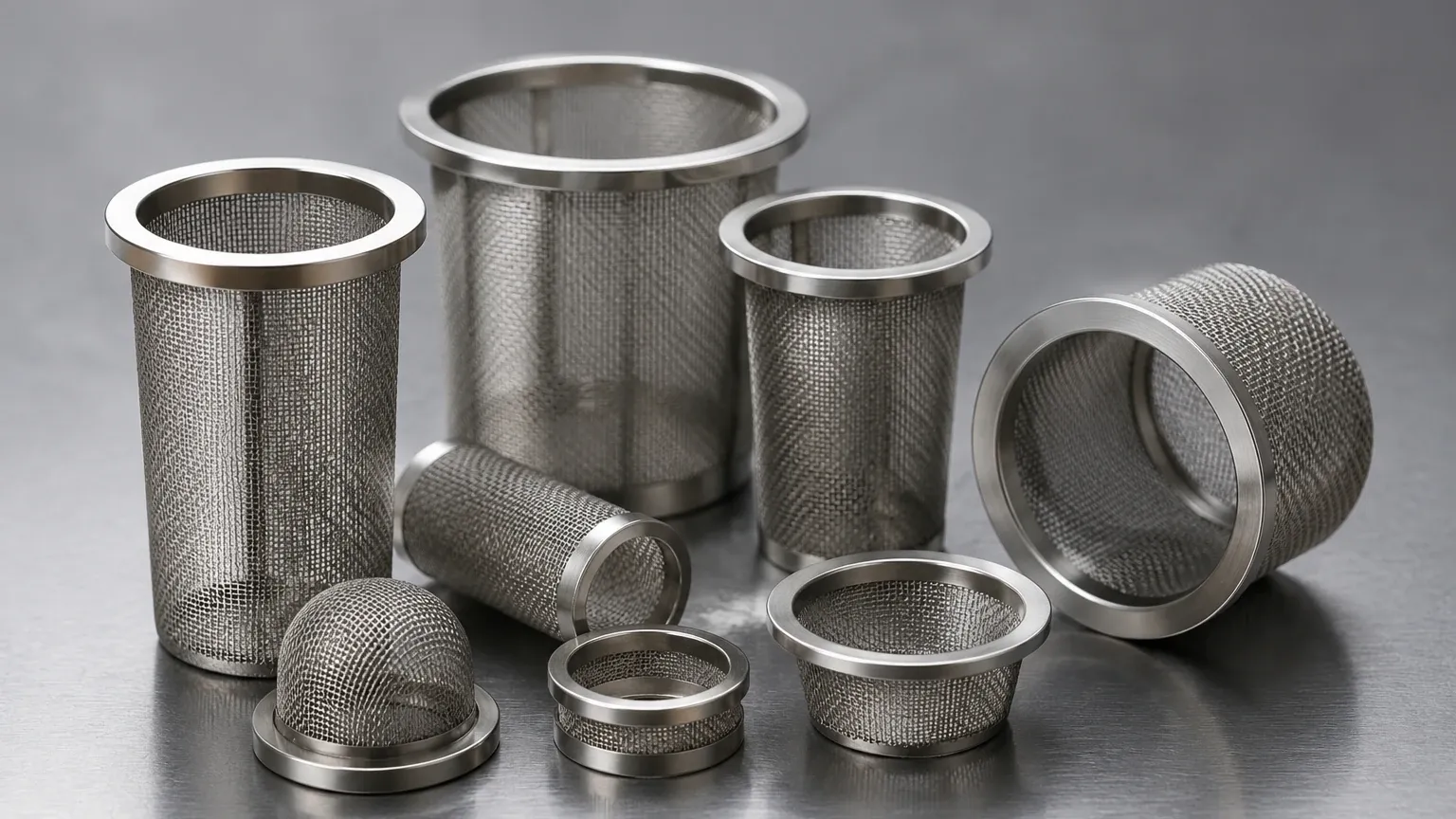
In many industrial scenarios, standard off-the-shelf screens provided with a strainer zoloto may not meet the specific requirements of a specialized process. This is where custom engineering of the internal basket or screen becomes necessary. Manufacturers like Kaifil specialize in developing precision-engineered stainless steel filtration components that can be retrofitted into existing strainer bodies to enhance performance.
Reinforced Baskets
In high-pressure or high-viscosity applications, the force of the fluid can cause a standard mesh screen to collapse. Custom baskets often feature a heavy-duty perforated metal backup tube that supports a finer inner layer of stainless steel wire mesh. This "dual-layer" construction provides both high filtration accuracy and structural integrity.
Magnetic Inserts
For systems where fine iron or steel particles (black brown rust) are a concern, magnetic inserts can be added to the strainer basket. These magnets capture sub-micron metallic particles that might otherwise pass through a standard mesh screen, providing an extra layer of protection for precision machinery.
Wedge Wire Technology
For applications involving sticky or fibrous materials, wedge wire (V-wire) screens offer a non-clogging surface. The V-shaped profile of the wire ensures that particles only make contact at two points, reducing the likelihood of blinding and making the screen easier to clean via backwashing or manual scraping.
Maintenance and Replacement Cycles for Industrial Strainer Baskets
No filtration system is "set and forget." Regular maintenance is required to ensure the strainer zoloto continues to protect the system without becoming a bottleneck. The frequency of maintenance depends on the fluid's cleanliness and the sensitivity of the downstream equipment.
Differential Pressure Monitoring
The most effective way to determine when a strainer needs cleaning is by monitoring the differential pressure. Installing gauges upstream and downstream of the strainer allows operators to see exactly when the basket is becoming loaded. Many modern systems use differential pressure switches to trigger an automated alarm or a bypass valve.
Cleaning Procedures
When cleaning a Y-strainer, the blow-off valve can often be opened to flush out accumulated debris without stopping the flow. However, for a basket strainer, the system must usually be depressurized, the cover removed, and the basket manually cleaned. It is essential to inspect the basket for any signs of mesh fatigue, broken welds, or corrosion during each cleaning cycle. Damaged Strainers & Baskets must be replaced immediately to prevent bypass leakage.
Evaluating Total Cost of Ownership in Filtration Systems
While the initial purchase price of a strainer zoloto is a factor, the total cost of ownership (TCO) is a more accurate measure of value. TCO includes the initial cost, installation, maintenance labor, the cost of replacement parts, and, most importantly, the cost of potential downtime.
Investing in high-quality stainless steel internals can significantly reduce TCO. For instance, a precision-manufactured basket from a specialist like Kaifil may have a higher upfront cost than a generic replacement, but its durability and optimized flow characteristics can lead to fewer cleanings and a longer service life. Furthermore, ensuring that the filtration media is perfectly matched to the process prevents the catastrophic costs associated with downstream equipment failure.
Key questions for procurement teams to consider include:
* What is the expected lifespan of the internal mesh under current operating conditions?
* Are replacement gaskets and screens readily available, or are they proprietary?
* Can the internal component be refurbished, or must it be entirely replaced?
* Does the manufacturer provide material certifications (e.g., MTRs) to verify the grade of stainless steel used?
Conclusion: Optimizing Filtration Efficiency
The effective use of a strainer zoloto in an industrial piping system is a balance of mechanical design and material science. By understanding the specific needs of the application—from flow rates and pressure limits to the chemical nature of the fluid—engineers can select or customize filtration solutions that provide maximum protection with minimal operational impact. Focusing on the quality of the internal Strainers & Baskets ensures that the filtration system remains a reliable asset rather than a maintenance liability. Whether through standard configurations or custom-engineered components, the goal remains the same: maintaining a clean, efficient, and protected fluid handling environment.
