


Strainers Near Me
In industrial fluid handling systems, the search for "strainers near me" is often driven by an immediate need to protect downstream equipment—such as pumps, valves, and heat exchangers—from particulate contamination. While geographic proximity can be a factor in emergency replacement scenarios, the technical requirements of industrial filtration usually necessitate a deeper evaluation of manufacturer capabilities, material integrity, and engineering precision. For engineers and procurement specialists, selecting the right strainer or basket is not merely a matter of availability, but a critical decision affecting the long-term efficiency and safety of a processing line.
Industrial strainers and baskets serve as the primary defense against debris in pipelines. Whether handling water, chemicals, oils, or food-grade liquids, these components must withstand significant pressure differentials and corrosive environments. Understanding the nuances of these components is essential for optimizing system performance and minimizing downtime.
Industrial Filtration Requirements: Beyond Local Availability
When searching for "strainers near me," many professionals are looking for more than just a physical storefront; they are seeking a reliable supply chain and technical support. In a B2B context, the "closeness" of a supplier is often measured by their responsiveness and ability to provide custom solutions that meet specific engineering standards.
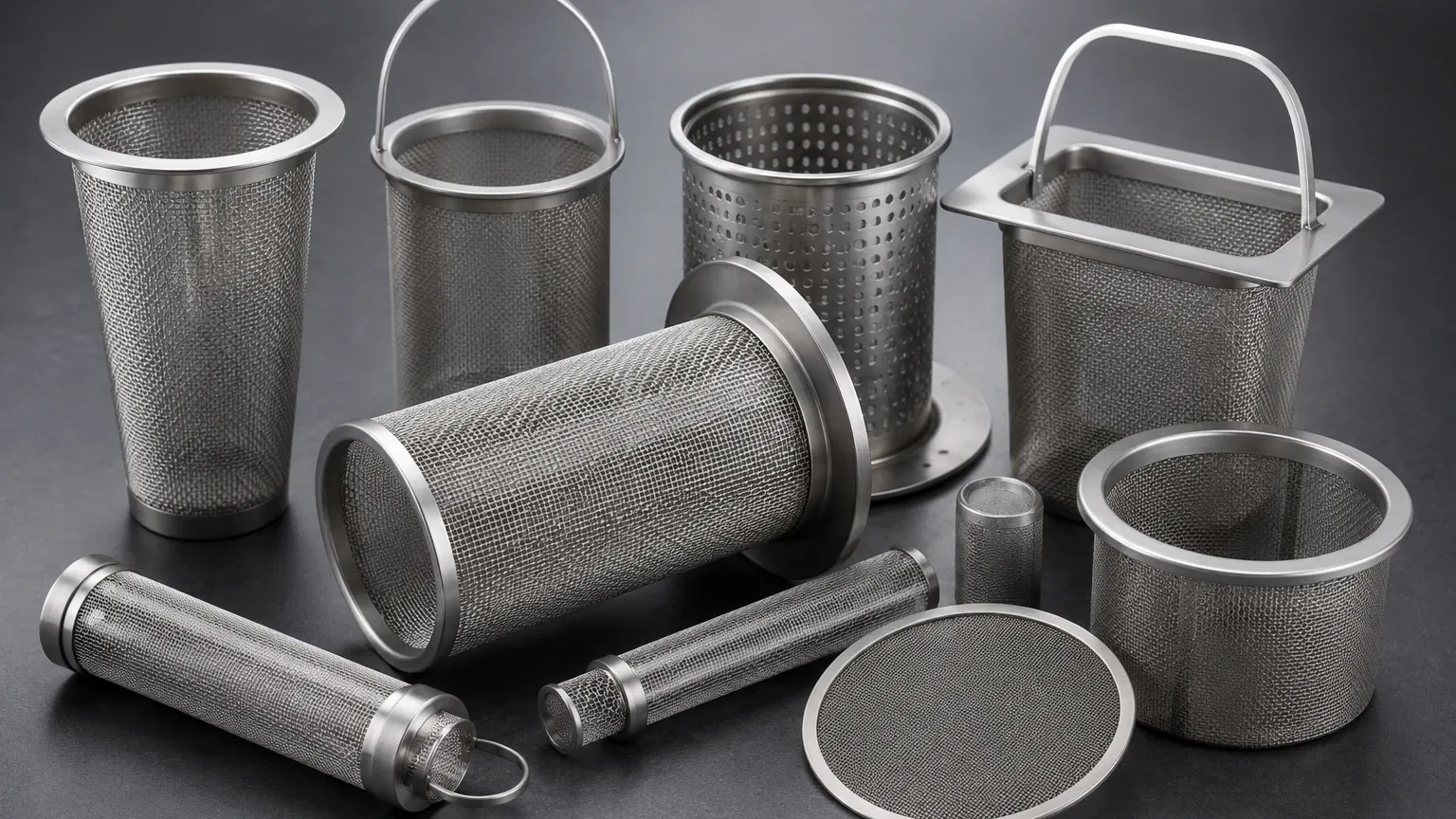
Standard off-the-shelf strainers may suffice for low-pressure water applications, but complex industrial processes in the chemical, pharmaceutical, and food sectors require specialized designs. A manufacturer capable of producing custom Strainers & Baskets ensures that the filtration media, housing, and seal materials are perfectly aligned with the fluid properties and flow rates of the specific application. Selecting a partner based on manufacturing expertise rather than just location ensures that the components will meet the rigorous demands of industrial service.
Technical Specifications of High-Performance Strainers & Baskets
Industrial strainers are categorized by their configuration and the filtration media they employ. The most common types include Simplex, Duplex, Y-strainers, and T-strainers. Each serves a specific operational profile:
* Y-Strainers: Typically used in pressurized lines, either liquid or gas, where the amount of material to be removed is small. They are favored for their compact design and ability to be installed in both horizontal and vertical positions.
* Basket (Simplex) Strainers: These are used where high flow capacity is required. The basket design allows for the collection of a larger volume of debris compared to a Y-strainer, making them ideal for applications with higher solids loading.
* Duplex Strainers: Designed for continuous operation, duplex systems consist of two separate strainer baskets housed in a single unit with a diverter valve. This allows one basket to be cleaned while the other remains in service, preventing system shutdown.
Beyond the housing, the internal basket or element is the heart of the system. These are typically constructed from perforated metal or stainless steel wire mesh. The choice between a perforated plate and a fine wire mesh depends on the required micron rating. For coarse filtration, perforated baskets provide high structural strength. For finer filtration, a wire mesh lining is added to the basket to capture smaller particles while maintaining the necessary mechanical support.
Material Selection and Chemical Compatibility
One of the primary reasons to work with a specialized manufacturer like Kaifil is the assurance of material quality. In many industrial environments, carbon steel or plastic strainers are insufficient due to corrosion or temperature limitations. Stainless steel, specifically grades 304 and 316L, is the industry standard for durability and hygiene.
* SS304: Suitable for general industrial use, providing good corrosion resistance and mechanical strength.
* SS316L: The preferred choice for chemical processing, marine environments, and pharmaceutical applications. The addition of molybdenum and a lower carbon content enhances resistance to pitting and crevice corrosion, particularly in chloride-rich environments.
Engineers must also consider the compatibility of seals and gaskets. Common materials include Buna-N, EPDM, Viton, and PTFE. Selecting an incompatible seal can lead to leaks, bypassing of unfiltered fluid, or even catastrophic failure if the seal material degrades and enters the process stream.
Engineering the Perfect Fit: Customization and OEM Capabilities
Standardized components often fail to meet the unique constraints of specialized machinery. Customization in the manufacturing of strainers and baskets involves several critical engineering considerations:
1. Filtration Accuracy: Determining the precise micron rating required to protect downstream components without causing unnecessary pressure drop.
2. Open Area Ratio: This is the ratio of the total open area of the holes in the strainer to the cross-sectional area of the inlet pipe. A higher ratio (typically 4:1 or 6:1) ensures lower initial pressure drop and longer intervals between cleanings.
3. Structural Reinforcement: In high-pressure or high-viscosity applications, baskets may require internal or external reinforcement (such as heavy-duty support cages) to prevent collapsing under the force of the fluid flow.
4. Connection Types: Customizing flanges (ANSI, DIN, JIS), threaded connections, or sanitary tri-clamp fittings to match existing piping infrastructure.
By focusing on these engineering details, manufacturers provide a level of reliability that generic "strainers near me" search results often cannot match. Precision manufacturing ensures that the basket seats perfectly within the housing, preventing "blow-by" where unfiltered liquid bypasses the mesh.
Operational Longevity: Maintenance and Replacement Strategies
The total cost of ownership for filtration components is heavily influenced by maintenance requirements. A well-designed strainer basket should be easy to remove, clean, and reinstall.
Pressure Drop Monitoring: The most effective way to determine when a strainer needs cleaning is by monitoring the differential pressure (ΔP) across the unit. As the basket fills with debris, the pressure drop increases. If the ΔP exceeds the manufacturer’s recommended limit, it can lead to reduced flow rates, pump cavitation, or damage to the strainer element itself.
Cleaning Protocols: In food and pharmaceutical applications, strainers must be compatible with Clean-in-Place (CIP) or Sterilize-in-Place (SIP) protocols. Stainless steel baskets are ideal for these environments because they can withstand high-temperature steam and caustic cleaning agents without degrading. For non-sanitary applications, manual cleaning via ultrasonic baths or high-pressure water jets is common.
Replacement Cycles: While stainless steel baskets are highly durable, they are not infinite. Mechanical fatigue from pressure pulses or erosion from abrasive particles will eventually necessitate replacement. Keeping a stock of replacement baskets—engineered to the exact specifications of the original—is vital for preventing extended downtime.
Total Cost of Ownership in Industrial Filtration
When evaluating suppliers for industrial strainers, the initial purchase price is only one component of the total cost. Engineers should consider:
* Energy Costs: A poorly designed strainer with a high pressure drop forces pumps to work harder, increasing energy consumption over the life of the system.
* Downtime: The ease of maintenance and the durability of the component directly impact how often the process must be stopped.
* Equipment Protection: The cost of a high-quality strainer is negligible compared to the cost of repairing a damaged high-pressure pump or a precision control valve that has been fouled by debris.
By sourcing from a manufacturer with a focus on quality and precision, such as Kaifil, companies ensure they are receiving components designed for the rigors of industrial service. This approach moves the focus from finding "strainers near me" to finding a long-term technical partner capable of supporting the system's integrity.
Conclusion: Selecting the Right Partner
Finding the right strainer or basket involves balancing technical specifications with logistical realities. While local distributors may offer quick access to standard parts, specialized industrial applications demand the expertise of a dedicated manufacturer. From material selection and filtration accuracy to custom structural designs, every detail matters in ensuring the safety and efficiency of your fluid handling system.
For those seeking high-performance filtration solutions, it is essential to work with a provider that understands the engineering challenges of your specific industry. Reviewing professional Strainers & Baskets options and consulting with technical experts can help you move beyond a simple search for availability and toward a solution that offers long-term reliability and optimized performance.
