


Strainers River
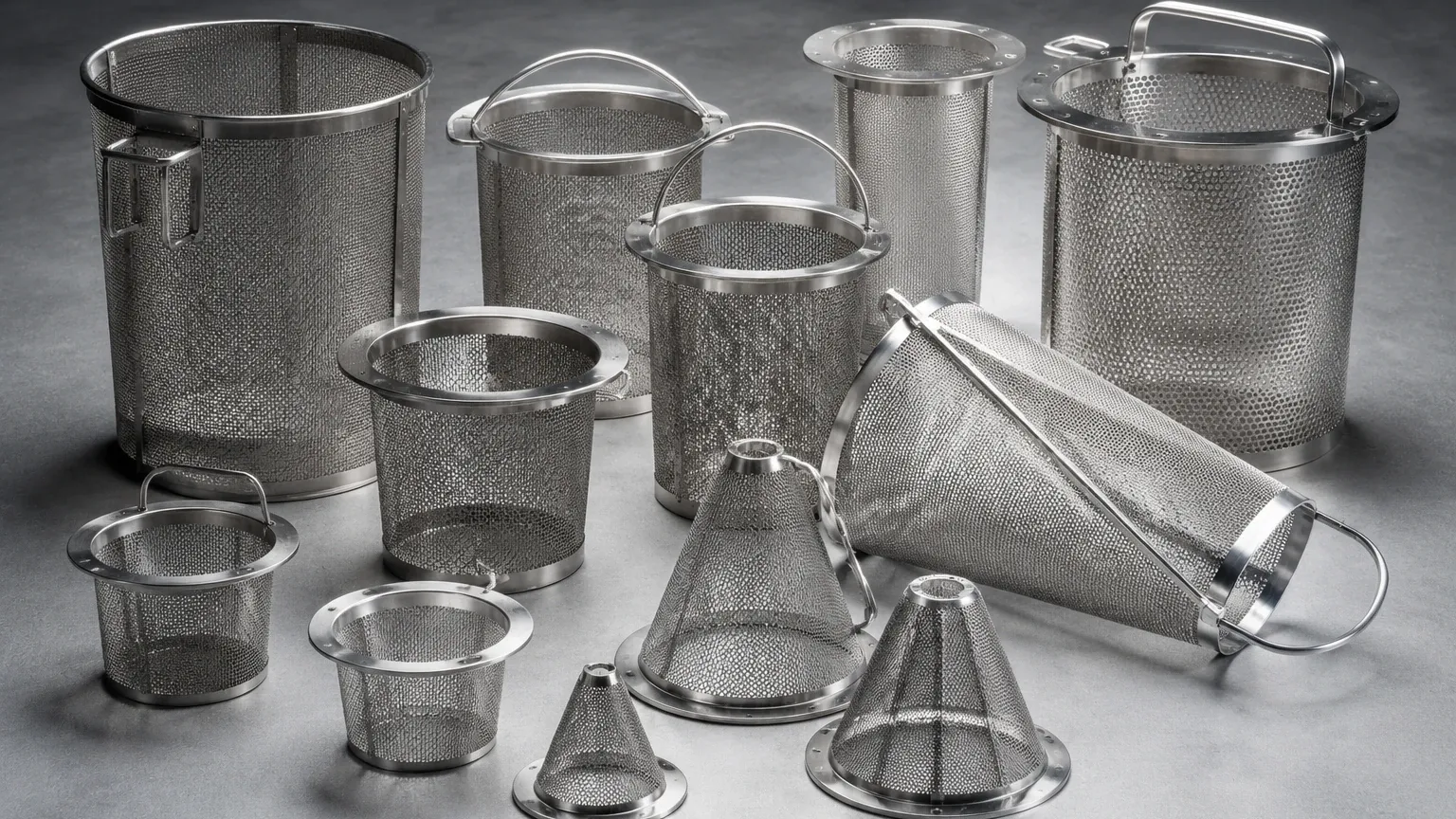
River water serves as a critical resource for a wide array of industrial applications, ranging from power plant cooling and chemical processing to municipal water treatment and agricultural irrigation. However, extracting water from a river presents unique engineering challenges due to the presence of unpredictable debris, suspended solids, and biological organisms. To protect downstream equipment such as pumps, valves, and heat exchangers, the implementation of robust Strainers & Baskets is an essential first step in the filtration process.
In the context of industrial intake, the term "strainers river" refers to the specialized hardware and engineering strategies used to manage the heavy loading of organic and inorganic materials found in flowing surface water. Unlike closed-loop systems where the fluid quality is controlled, river water intake systems must be designed to handle fluctuating conditions, seasonal debris surges, and varying levels of turbidity. Selecting the appropriate filtration component requires a deep understanding of hydraulic flow, material science, and the specific mechanical requirements of the application.
Primary Functions of River Water Intake Strainers
The fundamental role of a strainer in a river water system is the removal of macro-solids that could cause mechanical failure or catastrophic blockages. River water often carries leaves, twigs, plastic waste, stones, and aquatic life. If these materials reach high-speed pump impellers or narrow heat exchanger tubes, they can lead to unplanned downtime and expensive repairs.
Beyond simple protection, these strainers serve to reduce the load on secondary, finer filtration stages. By effectively removing larger particles at the intake point, the efficiency of downstream sand filters, ultrafiltration membranes, or carbon beds is significantly enhanced. This "staged" approach to filtration is a standard engineering practice to optimize the lifespan of more sensitive and expensive filtration media. In many industrial setups, the initial intake involves coarse screens, followed by precision-engineered basket strainers that provide the final level of protection before the water enters the main process line.
Design Variations in Industrial Strainers & Baskets
When evaluating solutions for river water, engineers must choose between several mechanical designs based on the required flow rate and the allowable pressure drop. The most common configurations include:
Simplex Basket Strainers
Simplex designs are used in systems where the flow can be intermittently stopped for cleaning. They feature a single basket chamber. In river applications, these are often used in batch processes or where redundant intake lines are available. The basket is easily accessible, allowing for manual removal of trapped debris.
Duplex Basket Strainers
For continuous operations where downtime is not an option, duplex strainers are the industry standard. These units consist of two separate strainer chambers connected by a diverting valve. When one basket becomes clogged, the flow is diverted to the clean chamber, allowing the operator to clean the first basket without interrupting the process. This is particularly vital during seasonal changes when river debris levels can spike unexpectedly.
T-Type and Y-Type Strainers
T-type strainers offer a compact footprint and are often preferred for large-diameter piping. They provide a straight-through flow path, which helps minimize pressure loss. Y-type strainers are frequently used for high-pressure applications, though their debris-holding capacity is generally lower than that of a dedicated basket strainer, making them more suitable for cleaner river sources or as secondary safety filters.
Material Engineering for Freshwater and Brackish River Environments
Material selection is perhaps the most critical factor in ensuring the longevity of strainers used in river environments. River water is rarely "pure" water; it contains dissolved minerals, industrial runoff, and varying pH levels that can be highly corrosive to standard carbon steel.
Stainless steel is the preferred material for industrial river strainers due to its exceptional resistance to oxidation and pitting. Grade 304 stainless steel is often sufficient for standard freshwater applications, providing a balance of durability and cost-effectiveness. However, in rivers that are brackish or have high chloride content, Grade 316 or 316L stainless steel is required. The addition of molybdenum in 316 stainless steel significantly improves its resistance to chloride-induced corrosion, which is essential for intake systems located near coastal estuaries.
Furthermore, the structural integrity of the basket itself must be considered. In high-flow river intakes, the force exerted by the water and the weight of the trapped debris can be substantial. Engineers often specify reinforced baskets with heavy-duty perforated backing to support the finer wire mesh. This prevents the mesh from collapsing or bypassing under high differential pressure (Delta P) conditions.
Technical Parameters: Micron Ratings and Pressure Differentials
Specifying the correct filtration accuracy is a delicate balancing act. If the mesh is too coarse, harmful particles will pass through; if it is too fine, the strainer will clog too rapidly, leading to excessive maintenance and potential pump cavitation.
Micron and Mesh Selection
In river intake systems, filtration typically ranges from 1/8 inch (approx. 3,000 microns) for coarse protection down to 40 mesh (approx. 400 microns) for finer process requirements. The choice depends entirely on the smallest orifice in the downstream equipment. For example, if a heat exchanger has 2mm tubes, the strainer should ideally be rated at 1mm or less to prevent bridging and blockages.
Open Area Ratio
A key engineering metric for Strainers & Baskets is the "open area ratio." This is the ratio of the total area of the holes in the basket to the cross-sectional area of the inlet pipe. For river water, where debris loading is high, a ratio of at least 6:1 or 8:1 is recommended. A higher ratio ensures that even when the basket is 50% clogged, the pressure drop remains within acceptable limits, protecting the pump from starved suction.
Addressing Seasonal and Biological Loading in River Filtration
One of the most difficult aspects of managing "strainers river" systems is the variability of the source. River conditions are not static. Engineers must design for the "worst-case scenario," which usually occurs during spring thaws or heavy autumn rains.
Seasonal Debris
During flood events, rivers carry significantly higher loads of silt, sand, and organic matter. A strainer system designed only for "average" conditions will fail during these peaks. High-capacity baskets and automated differential pressure monitoring are essential tools for managing these surges. Sensors can alert operators the moment the pressure drop across the strainer exceeds a pre-set limit, signaling that a cleaning cycle is required.
Biological Fouling
In many regions, biological growth such as algae or invasive species like zebra mussels can quickly coat the surface of a strainer mesh. This biological film is often more difficult to remove than mineral debris because it is sticky and can weave into the wire mesh. Utilizing high-quality stainless steel with smooth surface finishes can help reduce the rate of biological attachment, and in some cases, specialized coatings or routine chemical shock treatments are integrated into the intake manifold design.
Custom OEM Solutions for Complex Intake Requirements
Standard off-the-shelf strainers often fail to meet the specific spatial or hydraulic requirements of large-scale industrial river intakes. Customization is frequently necessary to ensure optimal performance. Manufacturers like Kaifil specialize in developing bespoke filtration components that are tailored to the unique parameters of a project.
Customization options include:
* Non-standard Dimensions: Fitting strainers into existing piping galleries with limited overhead clearance.
* Specialty Alloys: Utilizing Duplex or Super Duplex stainless steels for extremely aggressive water chemistry.
* Custom Mesh Laminates: Combining multiple layers of wire mesh to provide both high strength and fine filtration in a single basket.
* Integrated Support Structures: Designing baskets with internal baffles or external reinforcements to handle extreme flow velocities.
By working with an OEM partner, engineering teams can ensure that the filtration hardware is perfectly matched to the pump curves and the expected debris profile of the specific river site.
Operational Maintenance and Replacement Strategies
The total cost of ownership (TCO) for river water strainers is heavily influenced by maintenance requirements. A well-designed system should allow for rapid servicing to minimize labor costs and risk.
Cleaning Protocols
For manual basket strainers, the design should include quick-opening covers (such as swing bolts or yoke covers) that do not require specialized tools. This reduces the time an operator spends on the intake platform. The baskets themselves should be designed for easy cleaning, often via high-pressure hosing or ultrasonic baths for finer meshes.
Replacement Cycles
While stainless steel baskets are highly durable, they are considered wear parts. Erosion from sand and silt (abrasion) will eventually thin the wire mesh, and repeated pressure cycling can lead to fatigue at the weld points. It is recommended that industrial facilities maintain a stock of replacement baskets to ensure that a damaged filter can be replaced immediately. Regular inspections should look for signs of mesh bypass, structural deformation, or localized corrosion.
Conclusion
Managing river water intake requires a rigorous approach to filtration that accounts for the harsh and unpredictable nature of the environment. By selecting the right Strainers & Baskets and focusing on high-quality materials and appropriate technical specifications, industrial operators can protect their infrastructure from damage and ensure consistent process performance. Whether dealing with the heavy silt of a lowland river or the biological challenges of a temperate waterway, the key to success lies in robust engineering, proper material selection, and a proactive maintenance strategy. For complex or high-volume applications, customized stainless steel solutions provide the reliability and durability necessary to handle the unique demands of river-sourced water.
