


Triple X Strainers
In the landscape of industrial fluid management, the protection of downstream equipment is a primary engineering concern. Pumps, valves, heat exchangers, and precision nozzles are susceptible to damage or operational failure caused by entrained solids and debris. Triple x strainers represent a specialized category of heavy-duty filtration components designed to handle high-volume flow while maintaining structural integrity under significant mechanical stress. These components are essential in sectors where fluid purity and system uptime are non-negotiable, such as chemical processing, large-scale water treatment, and oil and gas operations.
Selecting the appropriate strainer requires a deep understanding of fluid dynamics, material science, and the specific mechanical requirements of the application. Unlike standard light-duty filters, triple x strainers are often characterized by their robust construction and their ability to provide a high open-area ratio, which minimizes pressure drop across the system. This article examines the technical specifications, engineering considerations, and selection criteria necessary for implementing these high-performance strainers in industrial environments.
Engineering Characteristics of Triple X Strainers
The "Triple X" designation in industrial straining typically refers to a design philosophy centered on three core attributes: extreme durability, expanded capacity, and extended service life. These units are engineered to operate in suction or discharge lines where the fluid may contain a high concentration of solids or where the flow rate is exceptionally high.
Structural Integrity and Housing Design
From a mechanical perspective, the housing of a triple x strainer must withstand not only the internal operating pressure but also the external stresses of the piping system. Manufacturers like Kaifil utilize advanced welding and machining techniques to ensure that the strainer body remains leak-proof and dimensionally stable. Common materials include heavy-gauge stainless steel (304 or 316L), which offers superior resistance to both physical impact and chemical corrosion.
High-Capacity Internal Elements
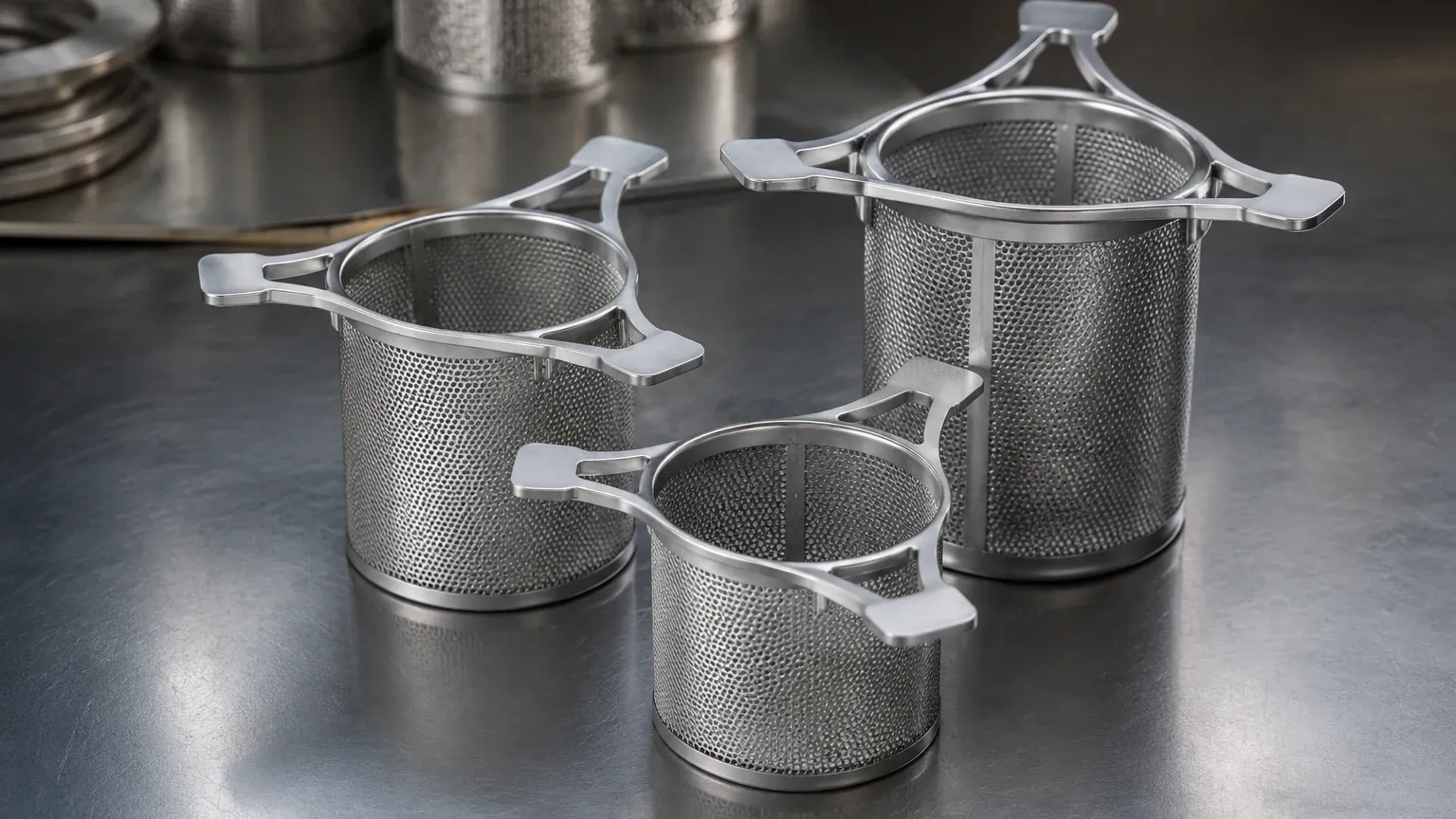
The internal basket or element is the heart of the strainer. In triple x configurations, these elements are often reinforced with perforated metal backings to prevent collapsing under high differential pressure. The geometry of the basket is optimized to maximize the surface area available for filtration. By increasing the filtration area, the velocity of the fluid passing through the mesh is reduced, which in turn lowers the rate of impingement wear on the wire mesh and extends the interval between cleaning cycles.
Performance Evaluation: Flow Rate and Pressure Drop
For engineers, the most critical performance metric for any strainer is the relationship between flow rate and differential pressure (ΔP). A well-designed triple x strainer aims to keep the initial pressure drop as low as possible to ensure that the system's pump efficiency is not compromised.
Calculating the Open Area Ratio
The efficiency of Strainers & Baskets is often measured by the ratio of the total open area of the strainer element to the cross-sectional area of the inlet pipe. A standard industrial strainer might offer a 4:1 or 6:1 ratio. However, triple x strainers are frequently designed to exceed these standards, sometimes reaching ratios of 8:1 or higher. This high ratio ensures that even as the strainer begins to collect debris, there remains sufficient open area to allow fluid to pass without a catastrophic increase in backpressure.
Managing Differential Pressure
In high-viscosity applications or systems with high flow velocities, monitoring differential pressure is vital. Triple x strainers are typically equipped with ports for pressure gauges or differential pressure sensors. When the ΔP reaches a predetermined limit—usually between 5 to 10 psi depending on the system design—it indicates that the basket requires cleaning. Failure to monitor this can lead to element deformation or "blow-by," where debris is forced through the mesh or around the seals due to extreme pressure.
Material Selection and Chemical Compatibility
In industries such as chemical processing and pharmaceuticals, the chemical compatibility of the strainer materials is as important as its mechanical strength. Triple x strainers must be constructed from alloys that can withstand the corrosive nature of the process fluid.
Stainless Steel Grades
* Type 304 Stainless Steel: Suitable for general industrial applications, water treatment, and mildly corrosive environments. It provides excellent strength and cost-effectiveness.
* Type 316/316L Stainless Steel: The preferred choice for marine environments, pharmaceutical production, and aggressive chemical handling. The addition of molybdenum enhances resistance to pitting and crevice corrosion, particularly in chloride-rich environments.
* Exotic Alloys: For specialized applications involving high temperatures or highly acidic media, strainers may be fabricated from Monel, Hastelloy, or Duplex stainless steel.
Surface Treatments and Finishes
Beyond the base material, the surface finish of the strainer can impact its performance. In the food and beverage industry, for example, internal surfaces must be smooth to prevent bacterial growth and facilitate Clean-in-Place (CIP) procedures. Electropolishing or mechanical polishing to specific Ra (Roughness Average) values ensures that the triple x strainers meet stringent hygienic standards while also improving the corrosion resistance of the stainless steel by enhancing the passive chromium oxide layer.
Customization Options for Industrial Applications
No two industrial systems are identical, and off-the-shelf filtration components often fall short of meeting specific engineering requirements. Customization is a key factor when sourcing triple x strainers to ensure they integrate seamlessly into existing infrastructure.
Mesh and Perforation Selection
The level of filtration required—ranging from coarse debris removal to fine particle retention—dictates the choice of the straining element. Engineers must balance the need for fine filtration with the risk of rapid clogging. Custom triple x strainers allow for the selection of specific mesh counts or perforation sizes tailored to the known particle size distribution of the process fluid. Multi-layered elements, combining a fine inner mesh with a rugged outer perforated support, are common in these high-performance units.
Connection Types and Configurations
Depending on the piping standards and installation space, triple x strainers can be customized with various connection types:
* Flanged Connections: ANSI, DIN, or JIS flanges for high-pressure and large-diameter piping.
* Threaded or Socket Weld: For smaller lines and high-integrity seals.
* Quick-Release Covers: To facilitate rapid maintenance and reduce downtime during cleaning cycles.
For technical teams evaluating these options, reviewing the full range of Strainers & Baskets is essential to identify the configuration that best matches the system's mechanical and hydraulic profile.
Installation and Maintenance Best Practices
The longevity and effectiveness of triple x strainers depend heavily on proper installation and a disciplined maintenance regimen. Even the most robustly engineered strainer will fail if it is incorrectly placed or neglected.
Strategic Placement
Triple x strainers should be installed as close to the equipment they are protecting as possible, typically on the suction side of pumps. It is crucial to ensure there is adequate clearance for the removal of the basket. Horizontal installations are most common, but the orientation must allow for the effective trapping of debris in the basket without allowing it to fall back into the inlet line during shutdown.
Cleaning and Inspection Protocols
Regular maintenance involves more than just emptying the basket. Technical staff should perform the following checks:
1. Gasket and Seal Inspection: Check for wear or chemical degradation in the cover gaskets to prevent external leaks.
2. Structural Assessment: Inspect the basket for signs of fatigue, such as cracked welds or distorted mesh, which may indicate that the strainer has been subjected to excessive differential pressure.
3. Debris Analysis: Analyzing the type of debris collected can provide valuable insights into the health of the overall system, such as identifying premature wear in upstream components.
Total Cost of Ownership (TCO) Considerations
When purchasing triple x strainers, procurement teams often focus on the initial capital expenditure. However, a professional engineering perspective considers the Total Cost of Ownership (TCO). A lower-quality strainer may have a lower purchase price but can lead to significantly higher costs over time due to frequent replacements, higher pressure drops (increasing energy consumption), and potential damage to expensive downstream equipment.
Durability and Reliability
Investing in high-quality stainless steel strainers manufactured by specialists like Kaifil ensures that the component can withstand the rigors of industrial use for years. The use of superior materials and precision manufacturing reduces the likelihood of catastrophic failure, which can cost a facility thousands of dollars in lost production and emergency repairs.
Operational Efficiency
A well-engineered triple x strainer with a high open-area ratio contributes to lower energy costs by reducing the load on system pumps. Furthermore, customized designs that allow for faster cleaning cycles directly improve the operational efficiency of the plant by minimizing scheduled downtime.
Conclusion
Triple x strainers are vital components in the protection and efficiency of industrial fluid systems. By providing a combination of high flow capacity, robust structural design, and material versatility, they address the most demanding filtration challenges. For engineers and purchasing professionals, the key to success lies in the detailed evaluation of flow requirements, material compatibility, and the selection of a manufacturing partner capable of delivering precision-engineered solutions. Through careful selection and diligent maintenance, these strainers ensure the long-term reliability of critical industrial infrastructure.
