


Victoria Strainers
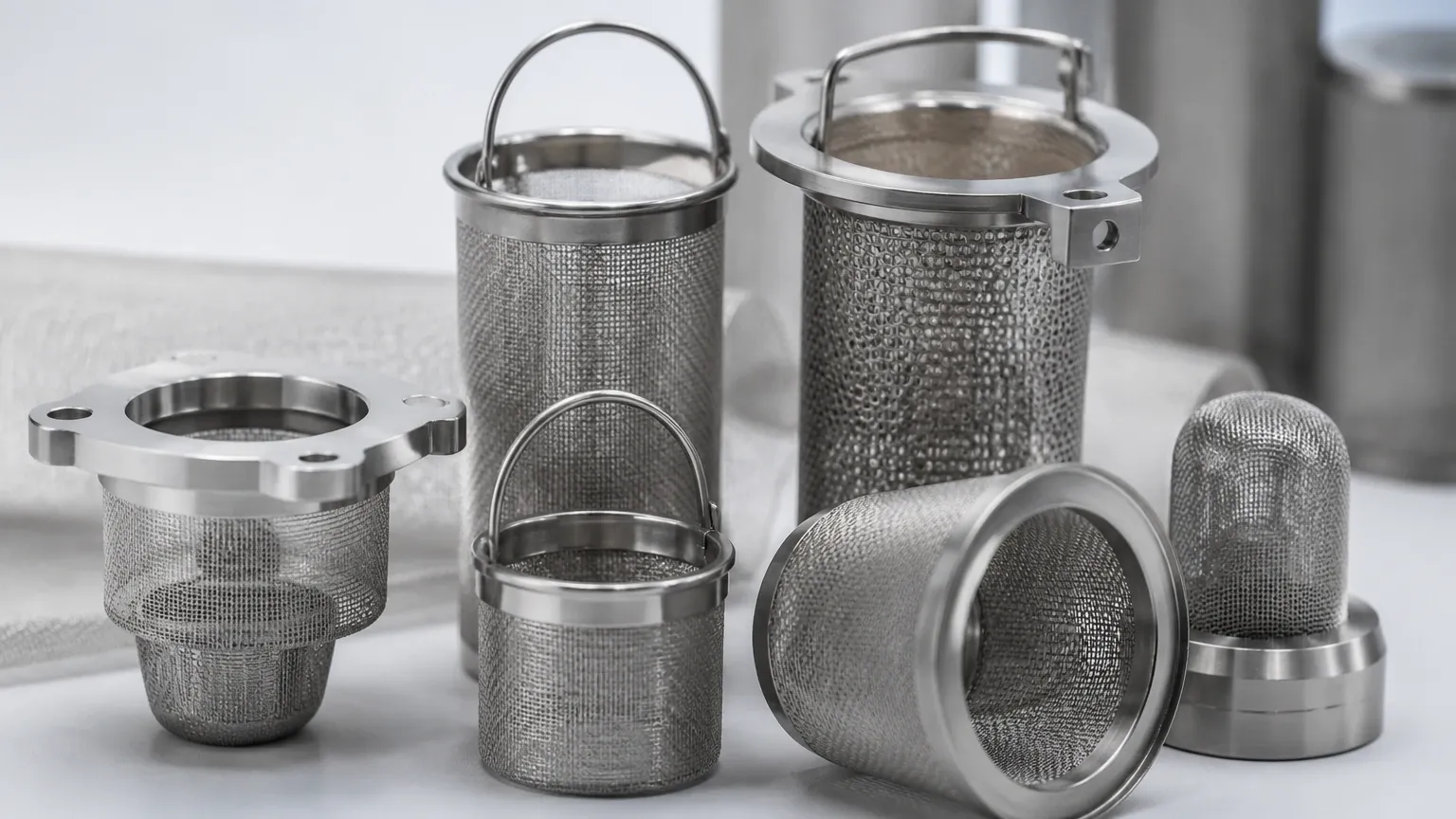
In industrial fluid handling and process engineering, the protection of downstream equipment is a critical operational priority. Among the various components used to ensure fluid purity and system integrity, Victoria strainers represent a specific category of filtration hardware designed to remove coarse particles from liquid and gas streams. These components, often categorized under the broader heading of Strainers & Baskets, serve as the first line of defense for pumps, valves, heat exchangers, and sensitive instrumentation.
For engineers and procurement professionals, selecting the correct strainer involves more than just matching pipe sizes. It requires a deep understanding of fluid dynamics, material compatibility, and the specific mechanical stresses of the application environment. This guide explores the technical nuances of Victoria strainers, the engineering principles governing their performance, and the critical factors that determine their long-term reliability in industrial settings.
Understanding the Role of Strainers & Baskets in Fluid Systems
Industrial filtration is typically divided into stages. While fine filters and membranes handle sub-micron particles, the initial stage relies on strainers and baskets to capture larger debris, such as pipe scale, welding slag, or foreign solids introduced during process cycles. The primary distinction between a strainer and a filter is the intended service life and particle size; strainers are generally designed for permanent installation and are intended to be cleaned and reused rather than replaced like disposable filter cartridges.
Victoria strainers are frequently specified in applications where high flow rates and low pressure drops are mandatory. Their design focuses on maximizing the "Open Area Ratio" (OAR)—the ratio between the total area of the holes in the strainer element and the internal cross-sectional area of the inlet pipe. A high OAR ensures that the system does not experience significant parasitic power loss due to flow restriction, even as the basket begins to collect debris.
Technical Specifications and Design Variations
The performance of Victoria-style strainers is dictated by the geometry of the housing and the configuration of the internal basket. Industrial applications typically utilize several standard designs, each suited to different operational constraints:
Simplex Basket Strainers
Simplex designs are used in systems where the flow can be intermittently shut down for cleaning. These units feature a single basket housed in a pressure vessel. When the differential pressure reaches a predetermined threshold, the system is bypassed or stopped, the cover is removed, and the basket is cleaned manually.
Duplex (Twin) Strainers
For continuous processes where downtime is not an option, duplex configurations are employed. These consist of two separate strainer chambers connected by a diverting valve. When one basket becomes clogged, the flow is diverted to the clean chamber, allowing the operator to service the dirty basket without interrupting the process. This is common in chemical processing and lubrication oil systems.
Y-Strainers vs. Basket Strainers
While Victoria strainers often refer to the basket-style configuration, it is important to distinguish them from Y-strainers. Y-strainers are typically used for smaller-diameter pipes or applications with low concentrations of solids. Basket strainers, by contrast, offer a much larger dirt-holding capacity and a lower pressure drop, making them the preferred choice for high-volume industrial fluid handling.
Material Engineering: The Importance of Stainless Steel
The longevity of a strainer is largely determined by its material composition. In the context of Victoria strainers, stainless steel is the industry standard due to its mechanical strength and resistance to various forms of degradation. Kaifil specializes in utilizing high-grade alloys to meet the demands of corrosive or high-temperature environments.
1. Type 304 Stainless Steel: This is the most common material for general-purpose industrial applications. It provides excellent strength and good corrosion resistance for water treatment, food processing, and non-acidic chemical streams.
2. Type 316/316L Stainless Steel: For more aggressive environments, such as those involving chlorides or marine conditions, 316L is preferred. The addition of molybdenum enhances resistance to pitting and crevice corrosion, which is vital for maintaining the structural integrity of the fine mesh layers within the basket.
3. Specialty Alloys: In extreme cases involving high-concentration acids or ultra-high temperatures, alloys like Monel, Hastelloy, or Duplex stainless steel may be required. These materials prevent premature failure of the strainer element, which could otherwise lead to catastrophic downstream equipment damage.
Evaluating Filtration Efficiency and Flow Dynamics
When specifying Victoria strainers, engineers must balance the need for fine filtration with the requirement for high flow throughput. This balance is defined by the mesh or perforation size of the basket.
Perforated Plate vs. Wire Mesh
Most industrial baskets utilize a perforated metal plate as the primary structural support. For coarser filtration (above 500 microns), the perforated plate itself may serve as the straining medium. However, for finer filtration requirements, a layer of stainless steel wire mesh is lined or pleated inside the perforated basket. This combination provides the necessary mechanical rigidity to withstand high differential pressures while achieving precise particle retention.
Pressure Drop (ΔP) Considerations
Pressure drop is the most critical metric in strainer selection. A strainer that is too small or has a mesh that is too fine will cause an excessive drop in pressure, potentially leading to pump cavitation or reduced system efficiency. The total pressure drop is a sum of the loss through the housing and the loss through the clean basket. As the basket fills with debris, the pressure drop increases exponentially. Engineers must confirm that the "dirty" pressure drop—the point at which cleaning is required—remains within the safety margins of the system's pump curve.
Common Operational Risks and Mitigation
Despite their relatively simple design, Victoria strainers are subject to several operational risks that can compromise process safety if not properly managed.
* Bypass Leakage: If the basket is not seated correctly within the housing, fluid can bypass the filtration medium entirely. This is often caused by worn seals or improper installation. High-quality strainers utilize precision-machined seats and robust O-rings or gaskets to ensure a positive seal.
* Structural Collapse: If a strainer is allowed to clog beyond its design limit, the differential pressure can exceed the burst strength of the basket. This results in the basket collapsing or tearing, releasing all captured debris into the downstream system. Installing differential pressure gauges and automated alarms is a standard engineering practice to mitigate this risk.
* Corrosion and Erosion: In high-velocity systems, the internal components of the strainer can suffer from erosion-corrosion, particularly if the fluid contains abrasive particles. Selecting hardened materials or applying specialized coatings can extend the service life of the internal Strainers & Baskets.
Customization and OEM Considerations
Standard off-the-shelf strainers may not meet the specific requirements of complex industrial plants. Customization is often necessary to accommodate unique piping layouts, specific filtration ratings, or unusual fluid properties. As a professional manufacturer, Kaifil provides tailored solutions that address these engineering challenges.
Customization options typically include:
* Modified Dimensions: Adjusting the face-to-face length or nozzle orientations to fit existing piping footprints.
* Reinforced Baskets: Adding internal supports or heavier-gauge perforated plates for high-pressure or high-viscosity applications.
* Specialized Connections: Offering flanged (ANSI, DIN, JIS), threaded (NPT/BSP), or socket-weld connections to match site standards.
* Magnetic Inserts: Adding magnetic rods to the basket to capture fine ferrous particles that might otherwise pass through the mesh.
Critical Considerations for Procurement and Engineering Teams
Before finalizing a purchase order for Victoria strainers, technical teams should verify several key data points with the manufacturer. This ensures that the supplied hardware is fit for purpose and provides the lowest total cost of ownership.
1. Fluid Characteristics: Confirm the viscosity, density, and chemical composition of the fluid. Viscous fluids require larger strainers to maintain acceptable pressure drops.
2. Solids Loading: Estimate the concentration and type of solids in the stream. High solids loading may necessitate a larger basket or a duplex design to reduce cleaning frequency.
3. Maximum Operating Pressure and Temperature: Ensure the housing and seals are rated for the maximum possible excursion conditions, not just the nominal operating point.
4. Cleaning Access: Evaluate the physical space around the installation site. Basket strainers require overhead clearance for basket removal, which must be accounted for in the plant layout.
By focusing on these technical parameters, engineers can ensure that their choice of Victoria strainers provides reliable, long-term protection for their industrial processes. Whether for a new installation or a retrofit, the integration of high-quality stainless steel filtration components is an investment in system uptime and equipment longevity.
