What Are Y Strainers Used for
In industrial fluid handling and piping systems, the integrity of downstream equipment is paramount to operational efficiency and cost-control. One of the most critical yet often overlooked components in these systems is the Y strainer. Understanding what are y strainers used for is essential for engineers and procurement teams tasked with maintaining system uptime and protecting high-value assets like pumps, valves, and meters. As a specialized manufacturer of stainless steel filtration solutions, Kaifil provides the technical insight necessary to integrate these components effectively into diverse industrial environments.
The Fundamental Role of Y Strainers in Piping Systems
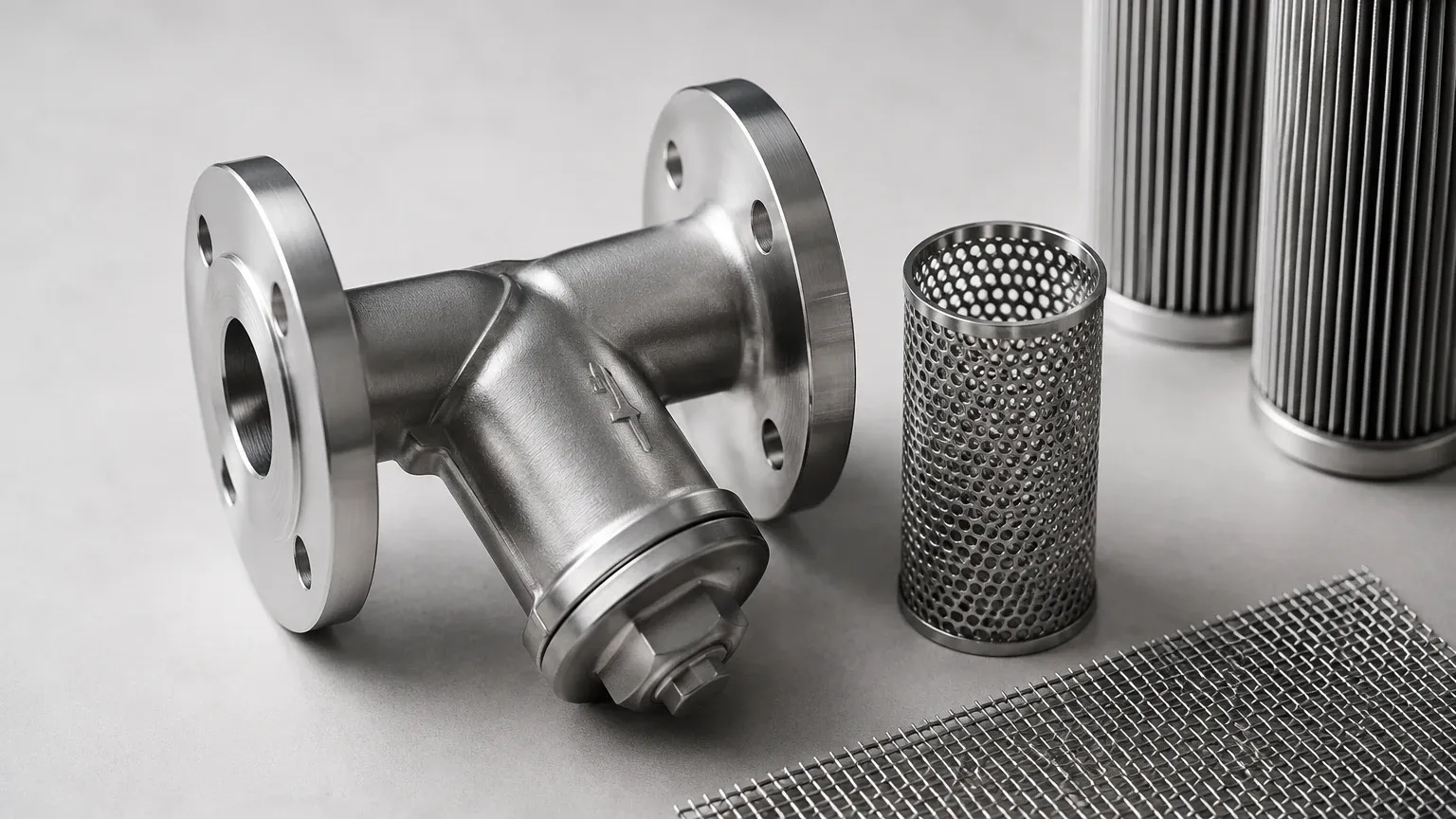
A Y strainer is a mechanical device used to remove unwanted solids from flowing liquids, gases, or steam by means of a perforated or wire mesh straining element. The name is derived from its physical configuration, which resembles the letter "Y." This design features a straight-through flow path with a diagonal cylinder branching off, which houses the filter element.
The primary answer to what are y strainers used for lies in protection. In any industrial process, debris such as pipe scale, rust, weld metal, and jointing compound can enter the fluid stream. If left unmanaged, these contaminants can cause catastrophic failure or significant wear to sensitive downstream components. By capturing these particles, Y strainers act as a first line of defense, ensuring that only clean fluid reaches the core machinery of the plant.
Industrial Applications: What Are Y Strainers Used for?
The versatility of the Y strainer makes it a staple in numerous sectors. Because they can be designed to handle high pressures and temperatures, they are found in applications ranging from simple water lines to complex chemical processing plants.
1. Steam Applications
Steam systems are perhaps the most common environment for Y strainers. Steam is inherently corrosive to carbon steel piping, leading to the formation of iron oxide (rust) and scale. When steam travels at high velocities, these particles can act like shrapnel, eroding valve seats and clogging steam traps. Y strainers are installed upstream of steam traps and control valves to prevent this mechanical damage. In these high-temperature environments, stainless steel Strainers & Baskets are often preferred for their thermal stability and corrosion resistance.
2. Liquid Chemical Processing
In the chemical industry, maintaining the purity of the medium is critical for both the process reaction and the equipment. Y strainers are used to filter out undissolved solids that could interfere with chemical reactions or damage expensive dosing pumps. Given the corrosive nature of many chemicals, the material of the strainer body and the internal mesh must be carefully selected—typically 304 or 316 stainless steel—to ensure longevity and prevent fluid contamination.
3. Water Treatment and Irrigation
From municipal water treatment to agricultural irrigation, Y strainers protect spray nozzles and sensitive monitoring equipment. In these applications, the strainers prevent sand, grit, and organic matter from clogging small orifices. This ensures a consistent flow rate and prevents the frequent downtime associated with manual nozzle cleaning.
4. Oil and Gas Midstream
In the transport of petroleum products, Y strainers are utilized to protect meters and pumps from debris that may have been introduced during the extraction or transport process. While larger basket strainers are often used for high-volume crude, Y strainers are ideal for smaller diameter lines or high-pressure gas applications where space is at a premium.
Engineering Considerations: Design and Selection
To fully appreciate what are y strainers used for, one must understand the engineering variables that dictate their performance. Selecting a strainer is not merely about matching the pipe size; it requires an analysis of the fluid dynamics and the nature of the contaminants.
Material Compatibility
The choice of material for both the housing and the internal screen is the most critical decision. While cast iron or bronze may suffice for low-pressure water, industrial applications usually demand stainless steel. Stainless steel offers superior resistance to pitting and stress-corrosion cracking, which is vital when handling processed fluids or high-pressure steam. Kaifil specializes in custom stainless steel configurations to meet these specific metallurgical requirements.
Filtration Accuracy (Mesh vs. Perforation)
The "hole size" of the strainer determines what size of debris is captured.
- Perforated Screens: These are typically used for coarser filtration, where the goal is to remove larger chunks of debris. They are robust and easy to clean.
- Wire Mesh Screens: For finer filtration, a wire mesh is layered over a perforated backup screen. This allows for the capture of much smaller particles, measured in microns.
Engineers must balance the need for fine filtration with the allowable pressure drop. A mesh that is too fine will clog rapidly, leading to frequent maintenance and potential system cavitation if installed on the suction side of a pump.
Pressure Drop (Delta P)
Every strainer introduces a restriction in the flow path, resulting in a pressure drop. When determining what are y strainers used for in a specific system, engineers must calculate the clean pressure drop and the maximum allowable pressure drop before cleaning is required. If the pressure drop becomes too high, it can lead to reduced flow rates and increased energy consumption by the pumps.
Installation and Orientation Best Practices
One of the unique advantages of the Y strainer is its flexibility in installation. Unlike basket strainers, which must be installed horizontally, Y strainers can be installed in either horizontal or vertical positions. However, specific rules apply to ensure they function correctly.
In a horizontal pipe, the "leg" of the Y should point downwards. This allows gravity to help trap the debris in the pocket and prevents the debris from falling back into the main pipe during flow fluctuations.
In a vertical pipe, the flow must be downwards. This ensures that the debris is collected in the strainer leg. Installing a Y strainer in a vertical pipe with upward flow is generally avoided, as the debris would simply fall back down the pipe when the flow stops, potentially clogging the line or damaging equipment below.
Maintenance: The Blow-off Capability
A defining feature of the Y strainer is the blow-off port located in the cap of the strainer leg. This port allows the strainer to be cleaned without removing it from the pipeline or even stopping the flow, provided a blow-off valve is installed.
When the blow-off valve is opened, the fluid pressure within the pipe forces the accumulated debris out through the port. This "self-cleaning" aspect is a major reason why Y strainers are used in systems where continuous operation is required. For more thorough maintenance, the cap can be removed to extract the screen for manual cleaning or replacement. Regular inspection of the Strainers & Baskets ensures that the mesh has not been compromised by high-velocity impacts or corrosion.
Comparing Y Strainers and Basket Strainers
While both serve the purpose of mechanical filtration, the choice between a Y strainer and a basket strainer depends on the application's specific needs.
| Feature | Y Strainer | Basket Strainer |
| :— | :— | :— |
| Pressure Rating | Can handle very high pressures. | Generally for lower pressure applications. |
| Debris Capacity | Limited; requires frequent cleaning if fluid is dirty. | High; designed for heavy solids loading. |
| Installation | Horizontal or Vertical (downward). | Horizontal only. |
| Maintenance | Blow-off valve allows for quick cleaning. | Requires opening the top cover. |
| Fluid Type | Excellent for Steam and Gases. | Primarily for Liquids. |
In essence, what are y strainers used for is often high-pressure, low-solids-loading environments where space is limited and the ability to clean the screen via a blow-off port is an advantage. If the fluid contains a high volume of solids, a basket strainer is typically the more appropriate choice due to its larger holding capacity.
Total Cost of Ownership and Long-Term Value
When procuring filtration components, B2B buyers should look beyond the initial purchase price. The total cost of ownership (TCO) includes maintenance labor, the cost of replacement screens, and the potential cost of downstream equipment failure if the strainer fails.
Investing in high-quality stainless steel strainers reduces TCO by extending the service life of the component and minimizing the risk of contamination in the process. Because Kaifil focuses on precision manufacturing, our components offer the structural integrity required to withstand the pressure surges and thermal cycling common in industrial steam and chemical lines.
Conclusion: Why Specification Matters
Understanding what are y strainers used for is the first step in optimizing a fluid system. These components are the silent guardians of industrial processes, preventing small particles from causing large-scale operational failures. Whether you are protecting a high-pressure boiler system, a chemical dosing line, or a municipal water pump, the correct selection of strainer material, mesh size, and pressure rating is vital.
For engineers and purchasing managers, partnering with a manufacturer that understands the nuances of filtration is essential. By selecting the right Strainers & Baskets, you ensure that your system remains efficient, your maintenance costs stay low, and your critical equipment is protected for years to come. When specifying your next project, consider the fluid properties, the environmental conditions, and the required filtration accuracy to choose a Y strainer that meets the rigorous demands of your industry.