


Fcu Wire Mesh Filter
In industrial climate control and process cooling, the reliability of a Fan Coil Unit (FCU) depends heavily on the integrity of its filtration system. While commercial applications often rely on disposable synthetic media, industrial environments—ranging from chemical processing plants to pharmaceutical cleanrooms—demand a more robust solution. The fcu wire mesh filter has emerged as the standard for these demanding settings, offering a combination of high-temperature resistance, chemical compatibility, and structural durability that polymer-based alternatives cannot match.
Selecting the correct filtration component requires a deep understanding of fluid dynamics, material science, and the specific mechanical constraints of the HVAC or process cooling system. This guide examines the engineering considerations behind Wire Mesh Filter Cylinders & Tubes used in FCU applications, providing technical insights to assist engineers and purchasing teams in optimizing system performance.
1. The Engineering Role of the FCU Wire Mesh Filter
A Fan Coil Unit operates by drawing air or process gas over a heat exchange coil. In industrial settings, this air often carries particulates that can foul the fins of the heat exchanger, leading to decreased thermal efficiency, increased pressure drop, and eventual mechanical failure.
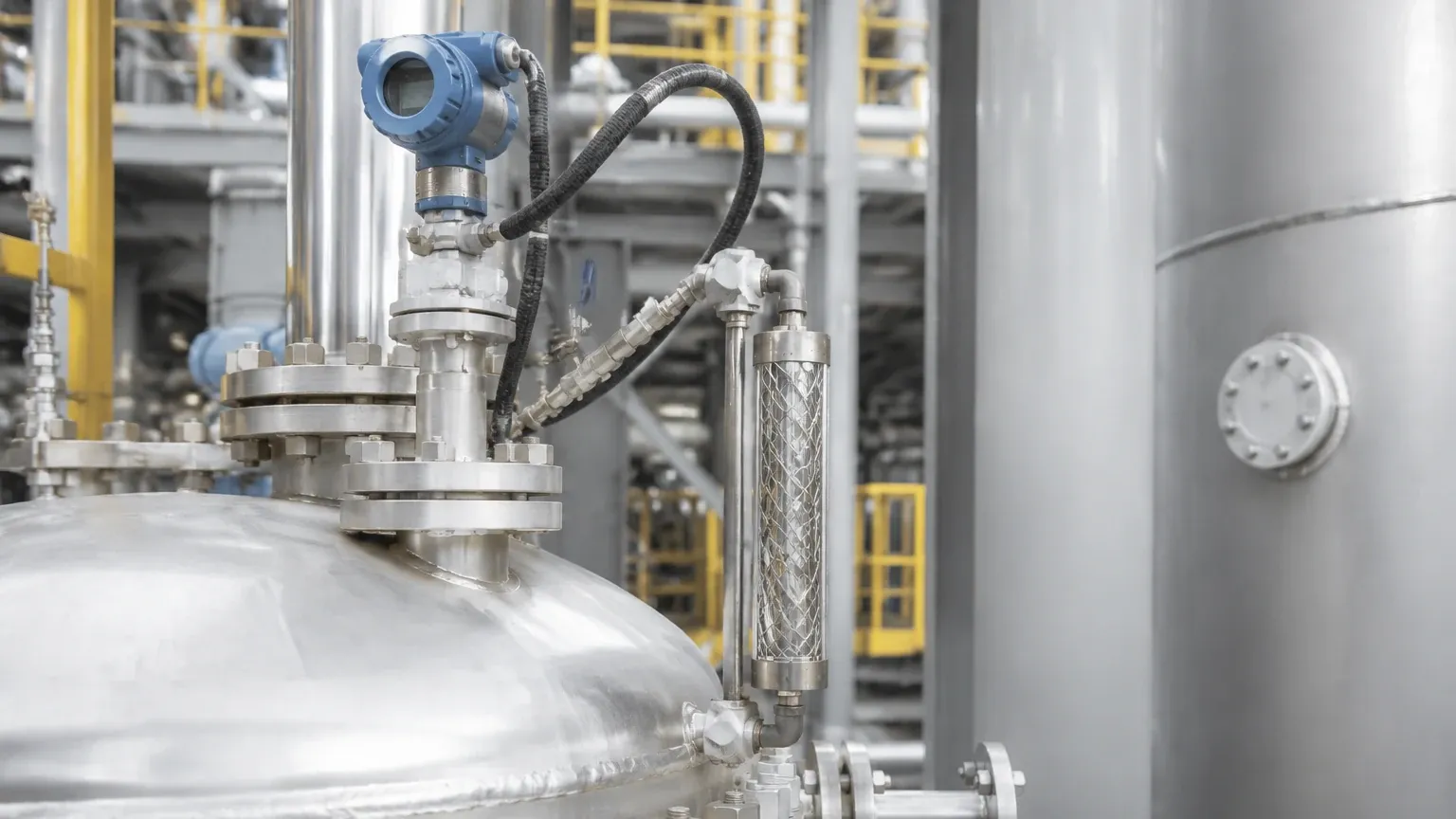
The Wire Mesh Filter Cylinders & Tubes integrated into these units serve as the primary line of defense. Unlike flat panel filters, cylindrical or tubular mesh designs provide a higher surface-area-to-volume ratio. This geometry is critical in industrial FCUs where space is limited but flow rates are high. By utilizing stainless steel wire mesh, these filters maintain their shape under high face velocities and can be cleaned and reused, significantly reducing the total cost of ownership compared to consumable filtration media.
2. Material Specifications and Chemical Compatibility
Material selection is the first technical boundary in filter specification. In industrial filtration, stainless steel is the preferred medium due to its mechanical strength and resistance to oxidation.
Stainless Steel 304 vs. 316L
* Grade 304: This is the standard industrial grade, providing excellent strength and good corrosion resistance. It is suitable for most general industrial FCU applications where the environment is relatively dry and free of highly corrosive vapors.
* Grade 316L: Containing molybdenum, 316L offers superior resistance to chlorides and acids. In chemical processing plants, marine environments, or pharmaceutical facilities where aggressive cleaning agents are used, 316L is the mandatory choice to prevent pitting corrosion and intergranular attack.
Specialty Alloys
For extreme environments involving high-temperature flue gases or highly acidic atmospheres, specialty alloys such as Monel or Inconel may be utilized in the construction of the wire mesh. These materials ensure that the fcu wire mesh filter does not undergo stress corrosion cracking or thermal degradation during operation.
3. Structural Design of Wire Mesh Filter Cylinders & Tubes
The performance of a filter is dictated by its weave type and structural reinforcement. When specifying Wire Mesh Filter Cylinders & Tubes, engineers must evaluate the following construction methods:
Weave Types and Micron Ratings
* Plain Weave: The most common industrial weave, where wires cross over and under each other. It provides high flow rates and is easy to clean, typically used for coarse filtration (100 microns and above).
* Dutch Weave: This weave uses a heavier warp wire and a finer weft wire, creating a dense, strong mesh. It is ideal for fine filtration and high-pressure applications where the filter must withstand significant differential pressure.
* Twill Weave: Used for finer meshes, this weave allows for a heavier wire diameter for a given mesh count, increasing the overall mechanical strength of the filter tube.
Reinforcement and Support
In high-flow industrial FCUs, the wire mesh alone may not be sufficient to withstand the mechanical load. Engineers often specify a multi-layer construction:
1. Filtration Layer: The precision mesh that determines the micron rating.
2. Support Layer: A coarser, heavier mesh or a perforated metal core that provides rigidity.
3. Protective Outer Layer: A coarse mesh to protect the fine inner mesh from mechanical damage during installation or cleaning.
4. Performance Metrics: Pressure Drop and Flow Rate
One of the most critical factors in FCU design is the initial and terminal pressure drop ($\Delta P$). An improperly selected fcu wire mesh filter can cause an excessive pressure drop, forcing the fan motor to work harder, increasing energy consumption, and reducing the airflow required for effective heat exchange.
Calculating Effective Filtration Area
To minimize $\Delta P$, engineers must maximize the effective filtration area (EFA). Cylindrical designs are particularly effective here. For a given housing diameter, a pleated wire mesh cylinder can offer 3 to 5 times the surface area of a flat mesh screen. This increased area results in:
* Lower face velocity at the mesh surface.
* Extended service intervals between cleanings.
* Reduced energy costs for the fan or blower system.
Particle Retention Efficiency
Industrial filters are rated by their ability to capture specific particle sizes. It is essential to distinguish between nominal and absolute ratings. A nominal rating indicates the ability to trap a percentage of particles, while an absolute rating (common in high-precision stainless steel mesh) indicates that no particle larger than the specified micron size can pass through the mesh openings.
5. Installation and Mechanical Integration
For a fcu wire mesh filter to function correctly, it must be perfectly integrated into the FCU housing. Any bypass—where air or fluid flows around the filter rather than through it—renders the filtration system ineffective.
Sealing Mechanisms
* O-Rings and Gaskets: Typically made of Viton, EPDM, or PTFE, these ensure a leak-proof seal between the filter tube and the housing.
* End Cap Configurations: Filter cylinders may feature open ends (DOE), single open ends (SOE) with thread connections (NPT/BSP), or flange mounts. The choice depends on the existing piping or housing architecture of the Fan Coil Unit.
Orientation and Flow Direction
Most industrial filter tubes are designed for outside-to-inside (O-to-I) flow. This allows contaminants to collect on the exterior surface of the cylinder, making visual inspection and mechanical cleaning easier. However, in some specialized hydraulic FCUs, inside-to-outside flow may be required to contain debris within the tube for safer disposal.
6. Maintenance, Cleaning, and Longevity
The primary advantage of stainless steel Wire Mesh Filter Cylinders & Tubes is their cleanability. In industrial operations, downtime is costly, and the ability to restore a filter to its original performance levels is a significant economic benefit.
Cleaning Protocols
1. Backwashing: Reversing the flow of the fluid to dislodge particles from the mesh surface. This can often be automated within the FCU system.
2. Ultrasonic Cleaning: For fine meshes or stubborn contaminants, ultrasonic baths use high-frequency sound waves to create cavitation bubbles that strip debris from the wire intersections without damaging the mesh.
3. Chemical Cleaning: Using mild acids or bases to dissolve organic or mineral deposits, provided the mesh material (e.g., SS 316L) is compatible with the cleaning agent.
Determining Replacement Cycles
While stainless steel filters are durable, they are not infinite. Fatigue from pressure cycling or erosion from high-velocity abrasive particles will eventually necessitate replacement. Engineers should monitor the pressure drop; if the "clean" pressure drop after maintenance remains significantly higher than the original specification, it indicates that the mesh pores are permanently blinded or the structure is compromised.
7. Customization and OEM Considerations
Industrial environments rarely follow a one-size-fits-all approach. Often, an fcu wire mesh filter must be custom-engineered to fit legacy equipment or specific process requirements.
When sourcing custom Wire Mesh Filter Cylinders & Tubes, the following data points must be confirmed:
* Exact Dimensions: Outer diameter (OD), inner diameter (ID), and overall length (OAL).
* Micron Rating: Based on the sensitivity of the downstream components.
* Operating Temperature: To ensure the correct alloy and sealing materials are selected.
* Fluid Properties: Viscosity and chemical composition of the air or liquid being filtered.
* Structural Load: The maximum expected differential pressure the filter must withstand without collapsing.
Conclusion
The selection of an fcu wire mesh filter is a technical decision that impacts the efficiency, longevity, and operational cost of industrial climate control systems. By prioritizing high-quality Wire Mesh Filter Cylinders & Tubes, engineers can ensure that their Fan Coil Units operate at peak thermal performance even in the harshest environments.
Whether you are designing a new system or upgrading an existing installation, focusing on material grade, weave precision, and structural integrity will lead to a more reliable filtration solution. For complex applications, collaborating with a manufacturer capable of providing custom-engineered stainless steel components is the most effective way to meet specific industrial standards and performance targets.
