


Metal Mesh Filter for Coffee: An Engineering Guide to Industrial Selection and Performance
In the industrial food and beverage sector, specifically within large-scale coffee extraction and concentrate production, the choice of filtration media significantly impacts both the sensory profile of the final product and the operational efficiency of the processing line. While paper and cloth filters are common in consumer applications, industrial-scale brewing—ranging from cold brew systems to high-pressure espresso extraction—requires the durability and precision of a metal mesh filter for coffee.
For engineers and procurement professionals, selecting the appropriate filtration component involves more than just choosing a mesh size. It requires an understanding of fluid dynamics, material science, and the mechanical stresses inherent in high-volume production. This guide examines the technical considerations for integrating Wire Mesh Filter Cylinders & Tubes into coffee processing equipment, focusing on performance optimization, material integrity, and long-term cost considerations.
The Engineering of Wire Mesh Filter Cylinders & Tubes in Coffee Extraction
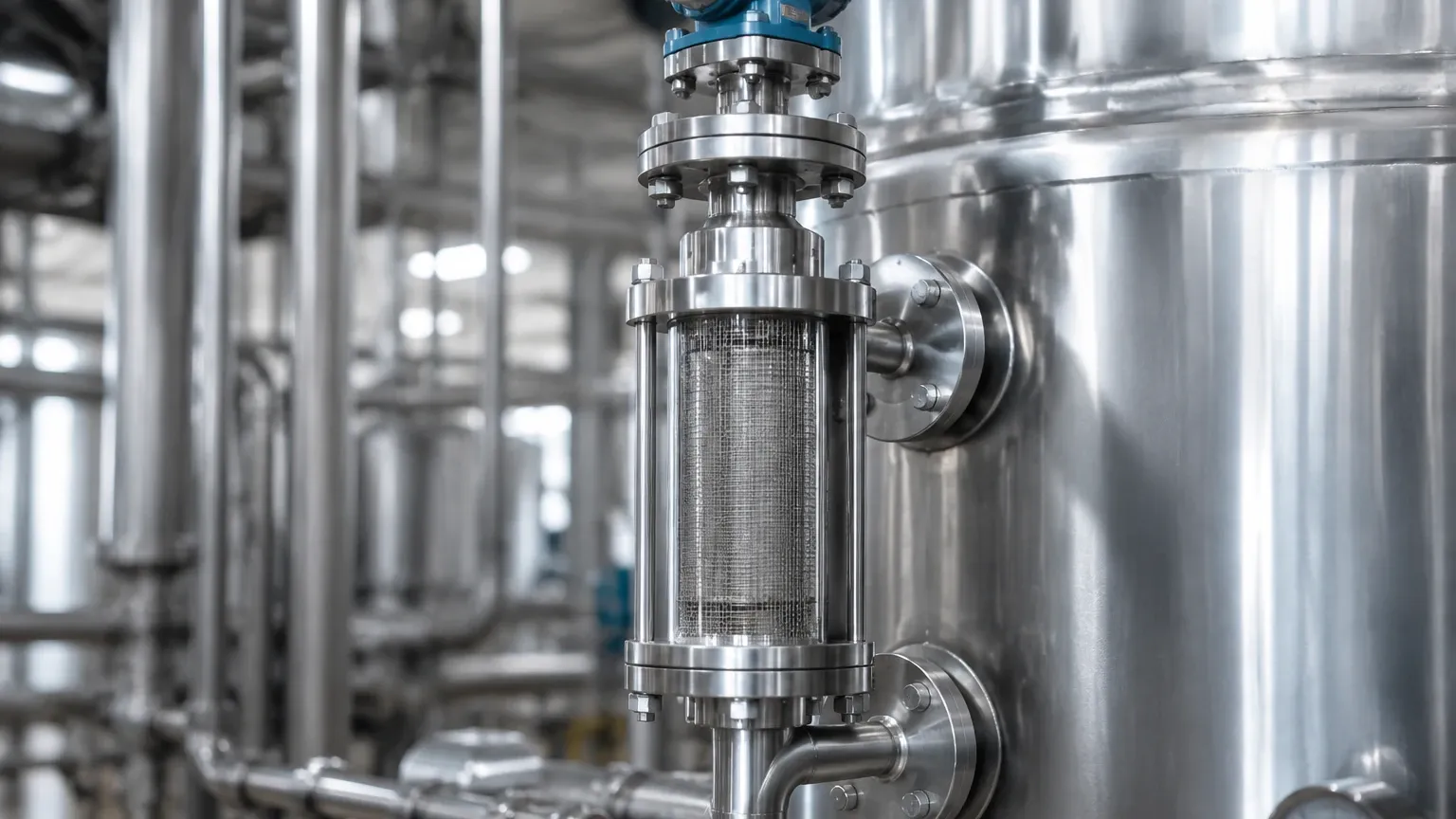
Industrial coffee filtration systems often utilize Wire Mesh Filter Cylinders & Tubes due to their structural rigidity and ability to withstand differential pressures that would cause flexible media to fail. These components are typically constructed from woven wire cloth, which can be configured as single-layer elements or multi-layer sintered composites depending on the required mechanical strength.
In a cylindrical configuration, the filter provides a large surface area relative to its footprint, which is critical for maintaining high flow rates in continuous or batch-processing systems. The geometry of the cylinder allows for uniform distribution of the coffee slurry, preventing localized clogging and ensuring consistent extraction yields. For industrial applications, these tubes are often reinforced with internal or external perforated metal cores to prevent collapse under the vacuum or pressure loads common in industrial brewing cycles.
Material Selection: Stainless Steel and Food-Grade Standards
When specifying a metal mesh filter for coffee, material selection is the primary factor in ensuring both product safety and equipment longevity. Coffee is a complex chemical solution containing organic acids (such as chlorogenic and citric acids), lipids, and volatile compounds.
Stainless Steel 304 vs. 316L
* Type 304 Stainless Steel: This is the standard grade for most food-grade applications. It offers excellent corrosion resistance and is cost-effective for general brewing environments.
* Type 316L Stainless Steel: For high-temperature extraction or systems that utilize aggressive Clean-in-Place (CIP) chemicals, 316L is preferred. The addition of molybdenum provides superior resistance to pitting and chloride-induced corrosion, making it the ideal choice for demanding industrial environments where longevity is prioritized.
At Kaifil, we emphasize the importance of surface finish and passivation. A smooth, burr-free finish is essential in coffee filtration to prevent the accumulation of coffee oils and fines, which can become rancid and contaminate subsequent batches. Proper passivation ensures the protective oxide layer of the stainless steel is intact, preventing metallic off-flavors from leaching into the brew.
Optimizing Filtration Performance for Industrial Coffee Production
The performance of a metal mesh filter for coffee is defined by its ability to balance particulate retention with flow efficiency. In coffee processing, this is measured through the control of Total Dissolved Solids (TDS) and the management of "fines" (microscopic coffee particles).
Micron Ratings and Mesh Count
Industrial coffee filters typically range from 50 to 150 microns.
* Coarser Mesh (100-150 microns): Often used in the initial stages of cold brew extraction or for "French Press" style industrial profiles. This allows more coffee oils (lipids) to pass through, resulting in a fuller body and a more aromatic profile.
* Finer Mesh (50-80 microns): Used for high-clarity coffee concentrates and espresso-based systems. These filters effectively trap smaller sediment, producing a cleaner cup with a lighter mouthfeel.
Flow Rate and Pressure Drop
Engineers must calculate the clean pressure drop across the Wire Mesh Filter Cylinders & Tubes to ensure the pump system is sized correctly. As the filter cake (the layer of spent coffee grounds) builds up on the mesh surface, the differential pressure increases. A well-designed metal mesh filter allows for a predictable cake build-up that can actually assist in filtration before the system requires a backwash or cleaning cycle.
Customization and OEM Integration for Equipment Manufacturers
Every industrial brewing system has unique spatial and hydraulic requirements. Off-the-shelf filtration components rarely meet the precision needed for high-performance OEM equipment. Customization of Wire Mesh Filter Cylinders & Tubes involves several engineering variables:
1. End Cap Configurations: Filters can be designed with threaded fittings, flanges, or NPT connections to ensure a leak-proof seal within the housing.
2. Reinforcement Layers: For high-pressure applications, a "pleated" wire mesh design can be used within the cylindrical structure to increase the filtration surface area by up to 300% without increasing the outer dimensions of the tube.
3. Seaming Techniques: In the food industry, plasma or TIG welding is preferred over adhesives to ensure the filter can withstand thermal cycling and chemical exposure without structural failure.
Kaifil works closely with equipment designers to develop bespoke filtration components that integrate seamlessly into existing hardware, ensuring that the metal mesh filter for coffee meets the specific flow dynamics of the machine.
Maintenance, Cleaning, and Longevity Considerations
One of the primary advantages of a stainless steel metal mesh filter for coffee over disposable media is its reusability. However, the accumulation of coffee oils (lipids) and calcification can degrade performance over time if maintenance protocols are not followed.
Cleaning Protocols
* Backwashing: Reversing the flow of water through the filter to dislodge the filter cake. This is the most common automated cleaning method in industrial systems.
* Ultrasonic Cleaning: For deep cleaning of fine mesh pores where oils may have polymerized, ultrasonic baths are highly effective at restoring the filter to its original flow specifications.
* Chemical Cleaning (CIP): Using food-safe caustic or acidic solutions to dissolve organic build-up. The use of 316L stainless steel is highly recommended if the CIP process involves high concentrations of cleaning agents.
Total Cost of Ownership (TCO)
While the initial capital expenditure for Wire Mesh Filter Cylinders & Tubes is higher than for paper filters, the TCO is significantly lower in industrial settings. Metal filters eliminate the recurring cost of disposables, reduce waste disposal fees, and minimize downtime associated with frequent filter changes.
Selecting the Right Supplier for Industrial Filtration Components
When sourcing a metal mesh filter for coffee, international buyers and engineers must verify the manufacturer’s capabilities in precision weaving and fabrication. A filter is only as reliable as its weakest weld or its most inconsistent pore.
Key questions to ask a supplier include:
* What are the tolerances on your micron ratings? Consistency across the entire surface of the mesh is vital for uniform extraction.
* Are the materials traceable? Ensure the stainless steel used is certified food-grade and free from contaminants.
* Can the design be optimized for my specific flow rate? A supplier should offer engineering support to help determine the ideal mesh count and structural design for your application.
Conclusion
In the competitive landscape of industrial coffee production, the technical integrity of filtration components is a critical factor in product quality and operational reliability. By utilizing high-quality Wire Mesh Filter Cylinders & Tubes, manufacturers can achieve precise control over the extraction process, ensuring a consistent sensory profile while maximizing equipment uptime.
Whether you are designing a new cold brew system or upgrading an existing extraction line, selecting a metal mesh filter for coffee that is engineered for durability and precision is an investment in both the brand's reputation and the facility's bottom line. Kaifil remains committed to providing the technical expertise and manufacturing precision required to meet these demanding industrial standards.
