


Stainless Steel Wire Mesh for Filter: An Engineering Guide to Selection and Application
In industrial process engineering, the efficiency of a filtration system is fundamentally determined by the media used to capture contaminants. Among the various materials available, stainless steel wire mesh stands out as a primary choice for demanding environments. This material offers a unique combination of mechanical strength, thermal stability, and chemical resistance, making it indispensable for applications ranging from chemical processing to high-pressure hydraulic systems.
When specifying stainless steel wire mesh for filter applications, engineers must look beyond simple pore size. The selection process involves a complex evaluation of weave patterns, material grades, and structural configurations to ensure the filter can withstand operational stresses while maintaining precise filtration accuracy. This guide examines the technical parameters of stainless steel mesh and the engineering considerations for integrating it into high-performance filtration components.
1. Material Science and Grade Selection
The performance of a metal filter begins with the alloy. Stainless steel is preferred due to its chromium content, which forms a passive oxide layer that protects the mesh from corrosion. However, different grades are required depending on the chemical environment and temperature.
* Grade 304: The most common industrial grade, offering good corrosion resistance and excellent forming properties. It is suitable for water treatment, food processing, and general industrial applications where extreme chemical exposure is not a primary concern.
* Grade 316L: Containing molybdenum, 316L provides superior resistance to chlorides and acids. The "L" denotes low carbon content, which prevents carbide precipitation during welding—a critical factor when fabricating Wire Mesh Filter Cylinders & Tubes that require seam welding.
* Specialty Alloys: For extreme environments, alloys such as 904L, Monel, or Inconel may be utilized. These are reserved for highly corrosive chemical reactors or aerospace applications where standard stainless steels would fail due to pitting or oxidation.
2. Weave Types and Their Impact on Filtration Efficiency
The geometry of the weave determines the filtration characteristics, including the micron rating, flow resistance, and the ability to be cleaned. There are three primary weave types used in industrial filtration:
Plain Weave
This is the simplest pattern, where each warp wire crosses over and under each shute wire. It provides a square opening and is best suited for coarse filtration or as a support layer for finer meshes. Plain weave mesh offers high flow rates but is limited in its ability to achieve very fine micron ratings.
Twill Weave
In a twill weave, each shute wire passes over and under two warp wires. This allows for the use of heavier wires in a given mesh count, resulting in a stronger and more durable mesh. It is often used when a high load-bearing capacity is required without sacrificing filtration area.
Dutch Weave (Plain and Twill)
Dutch weaves utilize different diameters for warp and shute wires. The shute wires are driven close together, creating a dense, triangular-shaped opening rather than a square one. This results in a "tortuous path" for particles, providing excellent surface filtration and high pressure resistance. Twill Dutch weaves can achieve filtration ratings as fine as 1 micron, making them ideal for high-precision liquid and gas filtration.
3. Structural Design of Wire Mesh Filter Cylinders & Tubes
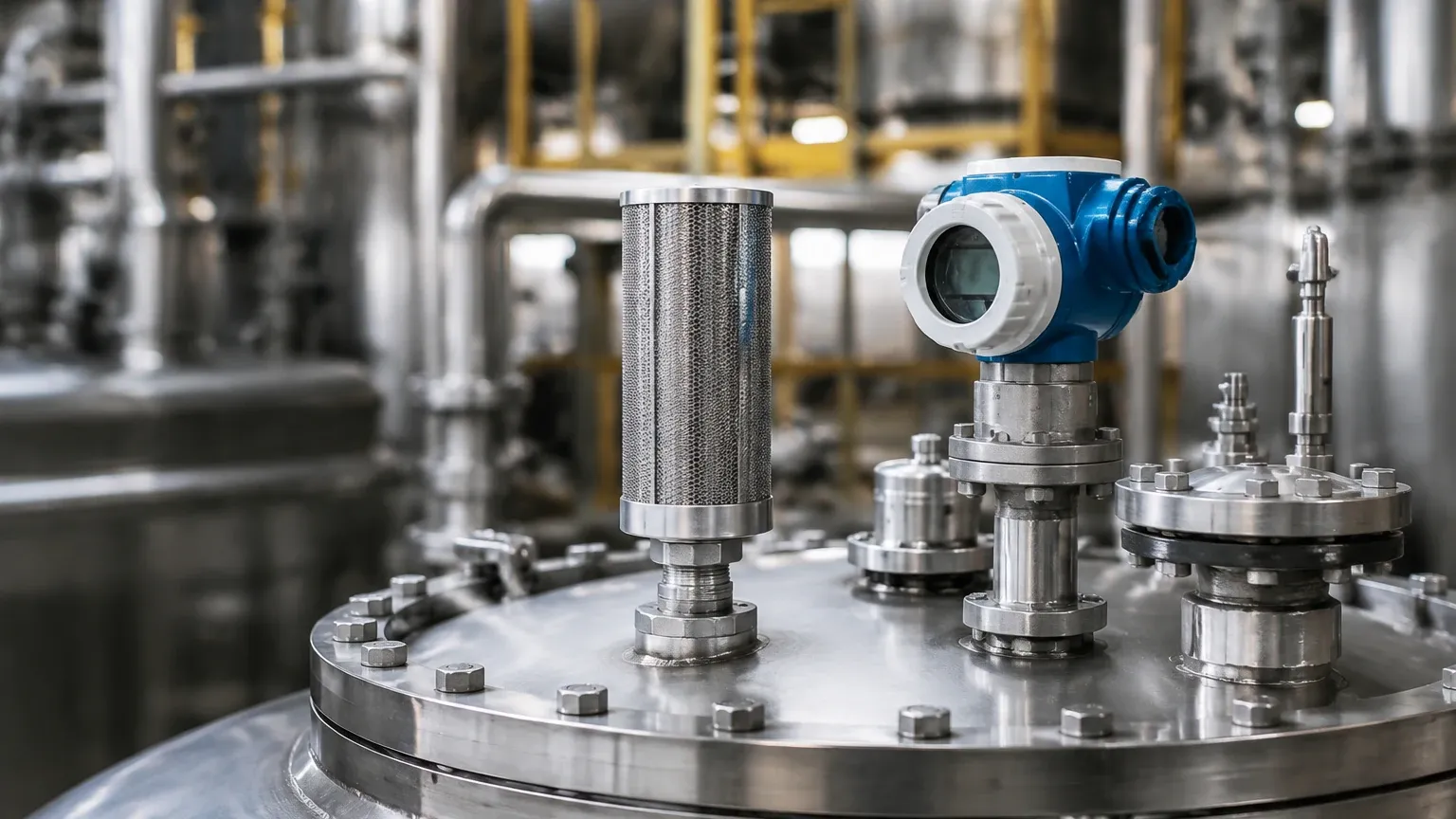
While the mesh provides the filtration capability, the mechanical integrity of the filter often depends on its fabricated form. In many industrial housings, the mesh is formed into Wire Mesh Filter Cylinders & Tubes to maximize the surface area within a compact footprint.
Support and Reinforcement
Fine mesh is inherently flexible and can collapse under high differential pressure. To prevent this, engineers often design multi-layer structures. A typical configuration includes a fine filtration mesh sandwiched between coarser support meshes, or a mesh layer pleated and wrapped around a perforated metal core. This internal core provides the necessary hoop strength to withstand the pressure of the fluid flow, while the mesh layers perform the actual separation.
Fabrication Techniques
The method of joining the mesh is critical. For cylindrical filters, longitudinal seams are typically joined using plasma or TIG welding to ensure a leak-proof bond that is as strong as the parent material. For smaller, high-precision components, spot welding or ultrasonic welding may be employed to avoid thermal distortion of the fine wire structure.
4. Key Selection Criteria for Industrial Applications
Selecting the correct stainless steel wire mesh for filter systems requires a balance between several competing technical requirements:
Micron Rating: Absolute vs. Nominal
* Nominal Rating: Refers to an approximate pore size where a certain percentage of particles (usually 60-90%) are retained. It is a general guide but not a guarantee of performance.
* Absolute Rating: Refers to the diameter of the largest hard spherical particle that will pass through the filter under specified test conditions. For critical pharmaceutical or hydraulic applications, an absolute rating is mandatory to prevent downstream contamination.
Pressure Drop (ΔP)
As fluid passes through the mesh, a pressure drop occurs. This is influenced by the open area of the mesh, the fluid viscosity, and the flow velocity. A mesh with a low percentage of open area will cause a higher pressure drop, increasing the energy requirements of the pump and potentially leading to premature filter clogging.
Dirt Holding Capacity
This defines the amount of contaminant the filter can collect before the pressure drop reaches a critical limit. Pleated wire mesh designs are often used to increase the surface area, thereby extending the service interval and reducing the total cost of ownership by decreasing the frequency of cleaning or replacement.
5. Performance Validation and Quality Assurance
In B2B industrial procurement, verifying that a filter meets its stated specifications is essential for risk management. Professional manufacturers like Kaifil utilize several testing protocols to ensure reliability:
* Bubble Point Test: Used to determine the absolute micron rating of a finished filter element. By submerging the filter in a liquid and increasing air pressure until bubbles appear, the largest pore size can be calculated based on surface tension.
* Flow Fatigue Testing: Subjecting the filter to cyclic flow conditions to ensure the mesh and welds do not fail under the mechanical stress of fluctuating pressures.
* Material Certification: Providing Mill Test Reports (MTRs) to confirm the chemical composition of the stainless steel, ensuring it meets ASTM or ISO standards for the intended application.
6. Maintenance, Cleaning, and Lifecycle Management
One of the primary advantages of stainless steel filters over disposable polymer or paper cartridges is their cleanability. Depending on the contaminant, several methods can be used to restore the filter’s performance:
1. Backwashing: Reversing the flow of the fluid to dislodge particles trapped on the surface of the mesh. This is highly effective for surface-loading Dutch weave meshes.
2. Ultrasonic Cleaning: Using high-frequency sound waves in a cleaning solvent to create cavitation bubbles that remove fine particles from deep within the mesh pores.
3. Chemical Cleaning: Utilizing acids, alkalis, or solvents to dissolve organic or inorganic scale that cannot be removed mechanically. The chemical compatibility of the stainless steel grade (e.g., 316L) must be verified against the cleaning agent.
Total Cost Considerations
While the initial purchase price of a stainless steel filter is higher than that of a disposable alternative, the total cost of ownership is often lower. The durability of metal filters reduces waste, eliminates the cost of frequent replacement cartridges, and minimizes system downtime. For engineers, the ability to customize the dimensions and fittings of Wire Mesh Filter Cylinders & Tubes ensures that the filtration system can be optimized for the specific machinery it protects, further enhancing long-term ROI.
Conclusion
Specifying the right filtration solution requires a deep understanding of both the process requirements and the material capabilities of the filter media. Stainless steel wire mesh offers the versatility and durability needed for the most challenging industrial environments. By carefully considering the alloy grade, weave geometry, and structural design of the filter components, engineering teams can achieve high-precision filtration that protects sensitive equipment and ensures product purity.
Whether developing a new chemical processing line or upgrading a hydraulic system, the integration of high-quality stainless steel filtration components is a critical step in achieving operational excellence. Working with a manufacturer that provides custom engineering support and rigorous quality validation ensures that the final product will meet the rigorous demands of modern industry.
