


Brass Woven Wire Mesh: A Technical Guide for Industrial Filtration and Shielding
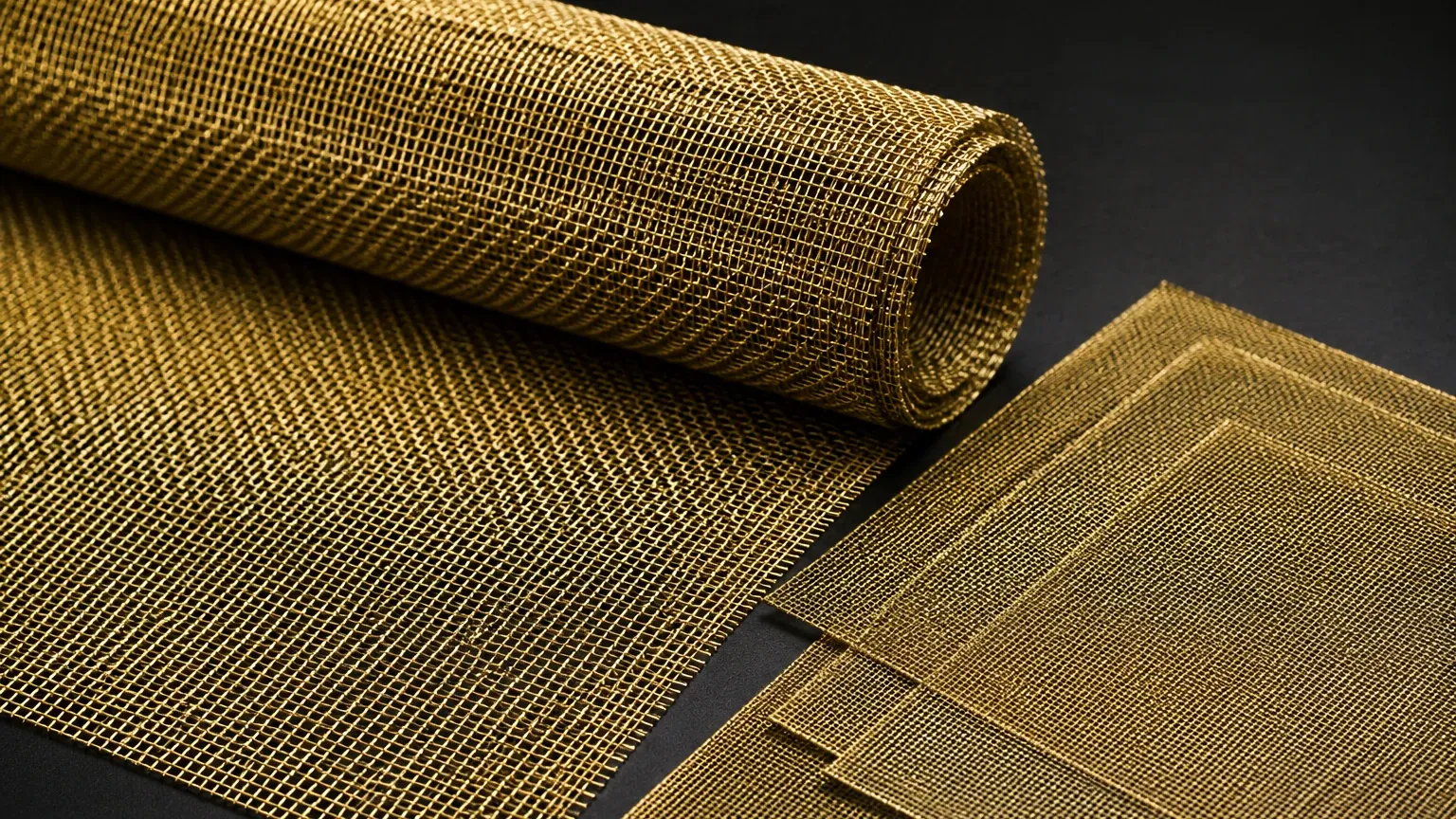
In the diverse landscape of industrial materials, Woven Wire Mesh serves as a fundamental component for separation, filtration, and protection. While stainless steel is often the default choice for high-temperature or highly corrosive environments, specific applications require the unique physical and chemical properties of copper-based alloys. Among these, brass woven wire mesh stands out as a versatile solution, offering a balance of mechanical strength, electrical conductivity, and corrosion resistance that is difficult to replicate with other materials.
For engineers and procurement professionals, selecting the right mesh involves more than just identifying a material; it requires an understanding of how alloy composition, weave patterns, and technical specifications align with the operational demands of the application. This guide examines the technical nuances of brass mesh, its comparative advantages, and the critical factors to consider during the selection process.
Understanding the Composition of Brass Mesh
Brass is an alloy primarily composed of copper and zinc. The ratio of these two elements significantly influences the material's performance characteristics. In the manufacturing of industrial mesh, the most common alloy used is "70/30 Brass" (70% copper and 30% zinc), often referred to as C260 or Cartridge Brass. Another common variant is "65/35 Brass" (C270).
The Role of Copper and Zinc
* Copper Content: Provides the mesh with excellent thermal and electrical conductivity. It also contributes to the material's antimicrobial properties and its characteristic golden-yellow hue.
* Zinc Content: Increases the hardness and tensile strength of the alloy compared to pure copper. As the zinc content increases, the material becomes stronger and more durable, though slightly less conductive.
Because of this composition, brass woven wire mesh is significantly stiffer than pure copper mesh but more ductile and easier to form than stainless steel. This makes it an ideal candidate for applications requiring custom shapes, deep drawing, or intricate pleating in filtration components.
Key Physical and Technical Properties
When evaluating brass woven wire mesh for industrial use, several technical properties define its suitability for specific environments.
1. Electrical and Thermal Conductivity
While not as conductive as pure copper, brass maintains high electrical conductivity. This property is paramount in RFI (Radio Frequency Interference) and EMI (Electromagnetic Interference) shielding applications. In electronic enclosures or laboratory environments, brass mesh acts as a Faraday cage, attenuating electromagnetic signals while allowing for airflow and visibility.
2. Corrosion Resistance
Brass offers superior resistance to corrosion in many environments, particularly against soft water, salt water, and various organic compounds. However, it is important to note that brass is susceptible to "dezincification" in certain acidic or high-chlorine environments, where the zinc is leached out of the alloy, leaving a porous copper structure. In such cases, or when dealing with harsh chemicals, engineers often compare brass against stainless steel or specialized bronze alloys.
3. Spark Resistance
One of the most critical safety features of brass is its non-sparking nature. In hazardous environments where flammable gases or explosive dust are present—such as in the petrochemical or grain processing industries—tools and filtration components must not generate sparks upon impact. Brass mesh is a standard choice for safety screens and filtration in these high-risk zones.
4. Acoustic Performance
In the aerospace and automotive industries, brass mesh is frequently utilized for acoustic dampening. The specific density and ductility of the wire allow it to absorb and dissipate sound energy effectively when integrated into multi-layer composite structures.
Weave Types and Their Impact on Performance
The performance of a Woven Wire Mesh is dictated not only by the material but also by the architecture of the weave. The weave determines the micron rating, the open area percentage, and the mechanical stability of the mesh.
Plain Weave
The most common weave style, where each shute (weft) wire passes alternately over and under each warp wire. This creates a square opening and provides a stable, consistent aperture size. It is the preferred choice for general-purpose sieving and low-pressure filtration.
Twill Weave
In a twill weave, each shute wire passes over and under two warp wires in a staggered pattern. This allows for the use of heavier wires in a given mesh count, resulting in a stronger and more durable mesh. Twill weaves are often used when a high mesh count (fine filtration) is required but the material must still withstand significant mechanical stress.
Dutch Weave (Plain and Twill)
Dutch weaves utilize different diameters for warp and shute wires. The shute wires are driven closer together, creating a "zero-aperture" appearance. The filtration actually occurs through the triangular openings formed within the weave. This style provides exceptional strength and is the standard for high-pressure industrial filtration where precise particle retention is required.
Industrial Applications of Brass Mesh
Due to its unique combination of properties, brass mesh is found in a wide range of specialized industrial sectors:
* EMI/RFI Shielding: Used in the construction of shielded rooms, electronic cabinets, and specialized cable wrapping to prevent electromagnetic leakage.
* Petrochemical Filtration: Employed in fuel systems and chemical processing where spark resistance is a regulatory requirement.
* Water Treatment: Used in intake screens and specialized filtration units where the natural biocidal properties of copper help reduce biofouling (the growth of algae and mollusks).
* Extrusion and Plastic Recycling: Brass mesh discs are often used in screen changers for plastic extrusion. The material's ability to withstand heat while remaining slightly more pliable than steel helps in creating a better seal within the machinery.
* Architectural and Decorative: Beyond industrial utility, the aesthetic appeal of brass makes it a favorite for architectural grilles, elevator panels, and interior design elements where both form and function are required.
Engineering Selection Criteria
When specifying brass woven wire mesh for a project, engineers must define several critical parameters to ensure the component performs as expected throughout its service life.
Mesh Count vs. Micron Rating
Mesh count refers to the number of openings per linear inch. However, for filtration applications, the micron rating (the size of the largest particle that can pass through the mesh) is the more relevant metric. It is vital to confirm both the nominal and absolute micron ratings, especially in precision applications like hydraulic systems or pharmaceutical processing.
Wire Diameter and Open Area
The diameter of the wire directly affects the "Open Area" percentage. A higher open area allows for greater flow rates and lower pressure drops across the filter but may reduce the mechanical strength of the mesh. Finding the optimal balance between flow efficiency and structural integrity is a key part of the design process.
Environmental Compatibility
Before finalizing a brass specification, the chemical composition of the fluid or gas being filtered must be analyzed. While brass is excellent for many applications, the presence of ammonia or certain acids can lead to stress corrosion cracking. For these environments, Plain, twill and dutch woven wire mesh in SS304/316L — rolls, cut mesh and framed panels. Send mesh count or micron target for a technical quote. may be a more suitable alternative to ensure long-term reliability.
Comparison: Brass vs. Bronze vs. Stainless Steel
Selecting the correct metal mesh often involves a trade-off between various performance factors. The following table highlights the general differences:
| Feature | Brass Mesh | Bronze Mesh | Stainless Steel Mesh |
| :— | :— | :— | :— |
| Primary Alloy | Copper & Zinc | Copper & Tin | Iron, Chrome, Nickel |
| Conductivity | High | Medium-High | Low |
| Strength | Moderate | High | Very High |
| Corrosion Resistance | Good (General) | Excellent (Marine) | Superior (Chemical) |
| Formability | Excellent | Moderate | Moderate |
| Spark Resistance | Yes | Yes | No |
Quality Assurance and Customization
In industrial procurement, the quality of the weave is just as important as the material grade. Inconsistent wire diameters or irregular spacing can lead to "bypass," where particles larger than the target micron rating pass through the filter, potentially damaging downstream equipment like pumps or valves.
Kaifil specializes in providing high-precision filtration solutions that adhere to strict manufacturing tolerances. Whether the requirement is for bulk rolls of brass woven wire mesh or custom-fabricated filter cartridges, ensuring uniformity in the weave is the foundation of our quality control process.
Customization options often include:
* Sintering: Bonding multiple layers of mesh together to increase strength and prevent wire migration.
* Edge Treatments: Adding frames, gaskets, or specialized welding to ensure the mesh integrates seamlessly into the housing.
* Calendering: Flattening the mesh to provide a smoother surface and more consistent thickness, which is often required in precision printing or specialized separation tasks.
Conclusion: Making an Informed Decision
Brass woven wire mesh remains an essential material in the engineer's toolkit, offering specialized benefits that stainless steel cannot always match—specifically in terms of conductivity, spark resistance, and ease of fabrication. However, the success of any filtration or shielding project depends on the precise alignment of material properties with operational realities.
When planning your next project, consider the total cost of ownership, including the replacement cycle and the potential impact of material failure on your system. By consulting with a manufacturer that understands both the metallurgy and the mechanical requirements of industrial filtration, you can ensure that your selection provides the durability and performance your application demands.
For technical assistance in selecting the appropriate alloy, mesh count, or weave pattern for your specific industrial application, explore our comprehensive range of Woven Wire Mesh solutions. From standard specifications to fully customized OEM components, Kaifil provides the engineering expertise required to optimize your filtration processes.
