


Chainlink Woven Wire Mesh Fencing: A Technical Guide for Industrial Applications
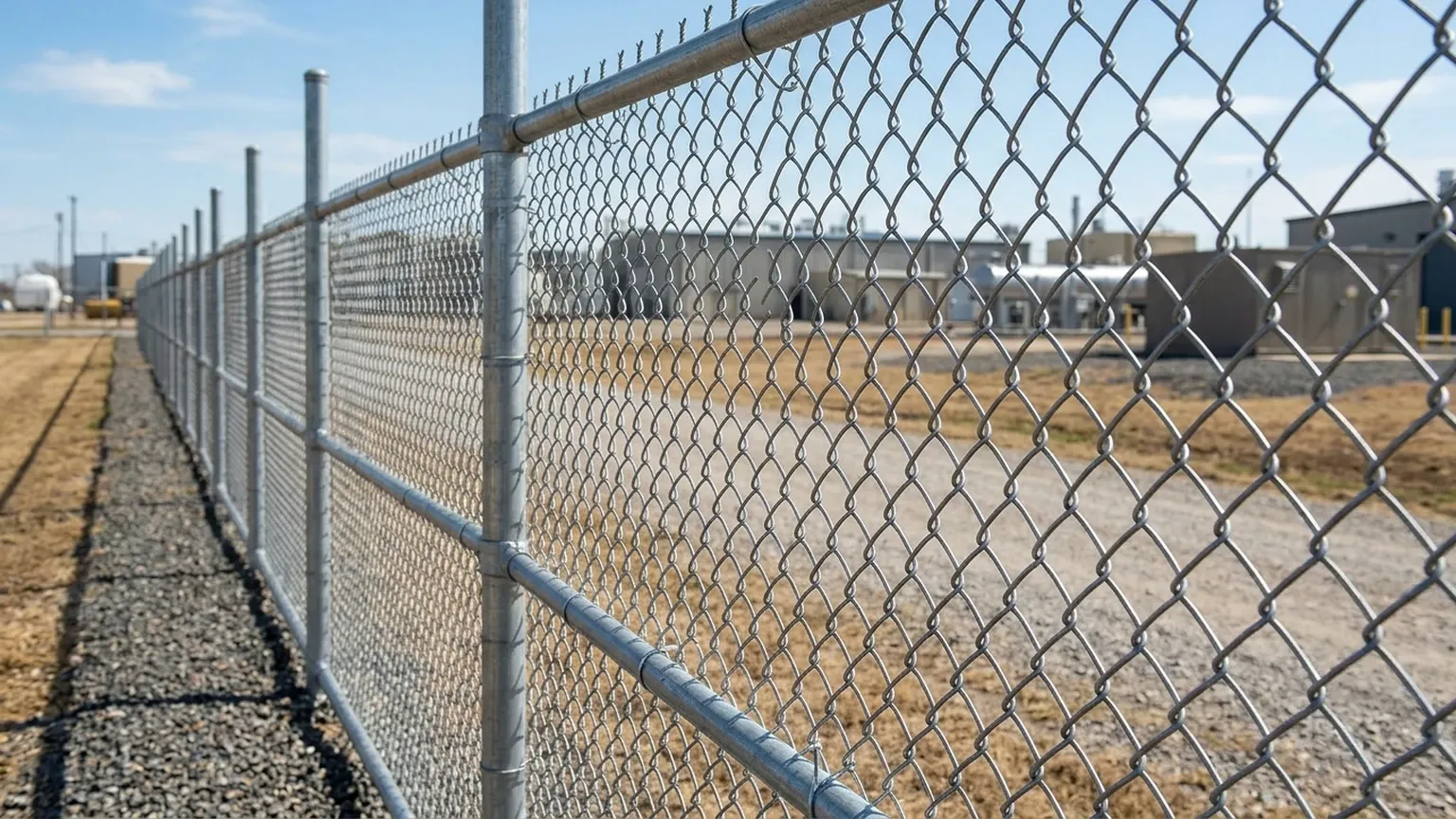
In industrial environments, the selection of fencing and barrier materials extends far beyond simple perimeter security. For engineers and facility managers in sectors like chemical processing, water treatment, and food production, a barrier must often provide more than just physical separation; it must offer corrosion resistance, structural integrity, and material purity. While standard commercial fencing may suffice for residential use, industrial projects frequently require the precision and durability of chainlink woven wire mesh fencing manufactured from high-grade alloys.
This guide examines the technical considerations, material properties, and engineering requirements for selecting woven wire mesh for industrial fencing and barrier applications. By understanding the nuances of weave patterns, wire diameters, and alloy compositions, purchasing teams can ensure long-term performance and reduced total cost of ownership.
The Engineering Distinction: Woven Wire Mesh vs. Standard Fencing
To the untrained eye, all wire barriers may look similar. However, the distinction between standard commercial chainlink and industrial-grade Woven Wire Mesh is significant. Standard chainlink fencing is typically made from galvanized steel or PVC-coated wire that is interlinked in a diamond pattern. While effective for basic security, it often lacks the precision and chemical resistance required in demanding industrial settings.
Industrial woven mesh, particularly that used in specialized fencing and enclosures, is manufactured by weaving individual wires over and under one another. This process creates a stable, rigid structure that maintains its aperture size even under mechanical stress. In applications where the barrier also serves as a safety guard for machinery or a primary screen for large debris in water treatment, the consistency of the Woven Wire Mesh is critical.
For high-performance needs, Kaifil provides Plain, twill and dutch woven wire mesh in SS304/316L — rolls, cut mesh and framed panels. Send mesh count or micron target for a technical quote. This level of customization allows engineers to specify the exact wire gauge and opening size required for their specific environmental challenges.
Material Selection: SS304 vs. SS316L
The longevity of chainlink woven wire mesh fencing is primarily dictated by its material composition. In industrial B2B procurement, two stainless steel grades dominate the market: SS304 and SS316L.
SS304: The Versatile Standard
Grade 304 stainless steel is the most common choice for industrial mesh. It offers excellent resistance to atmospheric corrosion and is suitable for most indoor and outdoor barrier applications. It is widely used in the food and beverage industry due to its ease of cleaning and resistance to organic chemicals. However, in environments with high salt concentrations or exposure to harsh industrial acids, SS304 may experience pitting.
SS316L: The High-Performance Choice
For facilities located near coastal areas or those involved in chemical processing, SS316L is the preferred specification. The addition of molybdenum (typically 2-3%) significantly enhances its resistance to chloride-induced pitting and crevice corrosion. The "L" stands for low carbon, which improves weldability and reduces the risk of intergranular corrosion after welding—a vital factor if the mesh is being integrated into custom-framed panels or structural assemblies.
Technical Specifications and Evaluation Criteria
When specifying chainlink woven wire mesh fencing for a project, engineers must confirm several key metrics to ensure the product meets the intended safety and performance standards.
1. Wire Diameter and Tensile Strength
The wire diameter directly impacts the impact resistance and rigidity of the fence. Thicker wire gauges provide higher tensile strength, which is essential for security barriers or machine guarding where physical impact is a possibility. Engineers should request technical data sheets that specify the tensile strength of the wire used in the weaving process.
2. Mesh Count and Aperture Size
In the context of fencing, the "mesh count" refers to the number of openings per linear inch. For security applications, a tighter mesh (higher mesh count) prevents climbing and limits the passage of small objects. Conversely, in applications requiring airflow or visibility—such as enclosures for HVAC equipment or electrical transformers—a larger aperture size is necessary to prevent overheating while still maintaining a physical barrier.
3. Weave Type
While plain weave is the most common for industrial barriers, other weaves like twill or dutch weave offer different performance characteristics.
- Plain Weave: Each warp wire crosses alternately over and under each shute wire. This provides the most straightforward and consistent aperture.
- Twill Weave: Each shute wire passes successively over and under two warp wires. This allows for the use of heavier wires in a given mesh count, increasing the overall strength of the barrier.
Applications in Demanding Industrial Sectors
Industrial Woven Wire Mesh is utilized in environments where standard materials would fail prematurely. Understanding these applications helps in selecting the right specifications.
Chemical and Petrochemical Processing
In these environments, barriers are often exposed to corrosive vapors and liquid splashes. Using SS316L woven mesh ensures that the structural integrity of the fencing remains intact, preventing the need for frequent replacements and reducing maintenance downtime.
Food and Beverage Production
Fencing and guards in food production areas must meet strict hygiene standards. Stainless steel woven mesh is non-reactive and can withstand high-pressure washdowns with caustic cleaning agents. The smooth surface of high-quality mesh prevents the accumulation of biological contaminants, making it ideal for cleanroom enclosures or conveyor guards.
Water Treatment and Filtration
Often, chainlink woven wire mesh fencing in water treatment facilities serves a dual purpose. It acts as a security perimeter while also functioning as a primary screen to prevent large debris from entering sensitive processing areas. In these cases, the micron rating and the hydraulic flow characteristics of the mesh are just as important as its physical strength.
Common Risks and Procurement Considerations
Procuring industrial mesh requires a focus on quality assurance to avoid common pitfalls that can lead to project delays or premature failure.
Material Verification
One of the greatest risks in B2B procurement is material substitution. Lower-grade alloys may look identical to SS316L but will fail rapidly in corrosive environments. It is essential to work with manufacturers like Kaifil who provide material test reports (MTRs) and ensure that the chemical composition of the wire meets international standards (ASTM or ISO).
Dimensional Accuracy
Inconsistent weaving can lead to variations in aperture size, which may compromise the security or filtration function of the mesh. For framed panels, dimensional accuracy is critical for a proper fit. Purchasing teams should confirm the tolerance levels the manufacturer can maintain during the cutting and framing process.
Total Cost of Ownership (TCO)
While the initial cost of stainless steel chainlink woven wire mesh fencing is higher than galvanized alternatives, the TCO is significantly lower. The elimination of painting, coating, and frequent rust-related repairs results in a longer service life and lower operational expenses over the life of the facility.
Customization and Technical Support
Every industrial project has unique constraints, from specific spatial dimensions to extreme temperature requirements. Off-the-shelf fencing solutions rarely meet these needs perfectly. Custom manufacturing allows for the optimization of wire diameter, mesh count, and panel size.
When preparing a technical quote, engineers should be prepared to provide the following information:
- Environment: Indoor, outdoor, coastal, or chemically aggressive.
- Function: Security, machine guarding, debris screening, or airflow management.
- Dimensions: Required roll lengths or specific panel sizes for framed installations.
- Compliance: Any specific industry standards (e.g., FDA for food contact, or specific safety codes for machine guarding).
By partnering with a manufacturer that understands the complexities of industrial filtration and metal fabrication, purchasing teams can transition from simply buying a product to implementing a solution. Whether you need a high-micron mesh for a delicate process or heavy-duty Woven Wire Mesh for a robust industrial barrier, technical expertise is the key to a successful installation.
Conclusion
Selecting the right chainlink woven wire mesh fencing is a critical decision for any industrial project. By focusing on high-grade materials like SS304 and SS316L, and by understanding the technical specifications of the weave, engineers can ensure their barriers provide the necessary protection and durability.
For those seeking precision-engineered solutions, Kaifil offers a comprehensive range of options. From standard rolls to custom-fabricated components, their expertise ensures that your filtration and barrier needs are met with the highest quality standards. To explore specific configurations for your next project, consult a Stainless Steel Woven Wire Mesh Selection Guide or contact a technical representative to discuss your mesh count and micron requirements.
