


Galvanized Woven Wire Mesh: A Technical Guide for Industrial Applications
In the realm of industrial filtration, screening, and protective barriers, material selection is the primary determinant of a component's lifecycle and performance. While stainless steel remains the gold standard for high-precision and chemically aggressive environments, galvanized woven wire mesh serves as a critical, cost-effective alternative for a wide range of industrial applications. For engineers and procurement teams, understanding the technical nuances of galvanization—specifically how it interacts with the weaving process—is essential for optimizing system reliability.
At Kaifil, we specialize in high-performance filtration solutions. While our core expertise lies in precision stainless steel components, we recognize that selecting the right Woven Wire Mesh requires a comprehensive understanding of all available metallurgical options. This guide examines the engineering characteristics, manufacturing variations, and selection criteria for galvanized woven wire mesh.
The Fundamentals of Galvanized Woven Wire Mesh
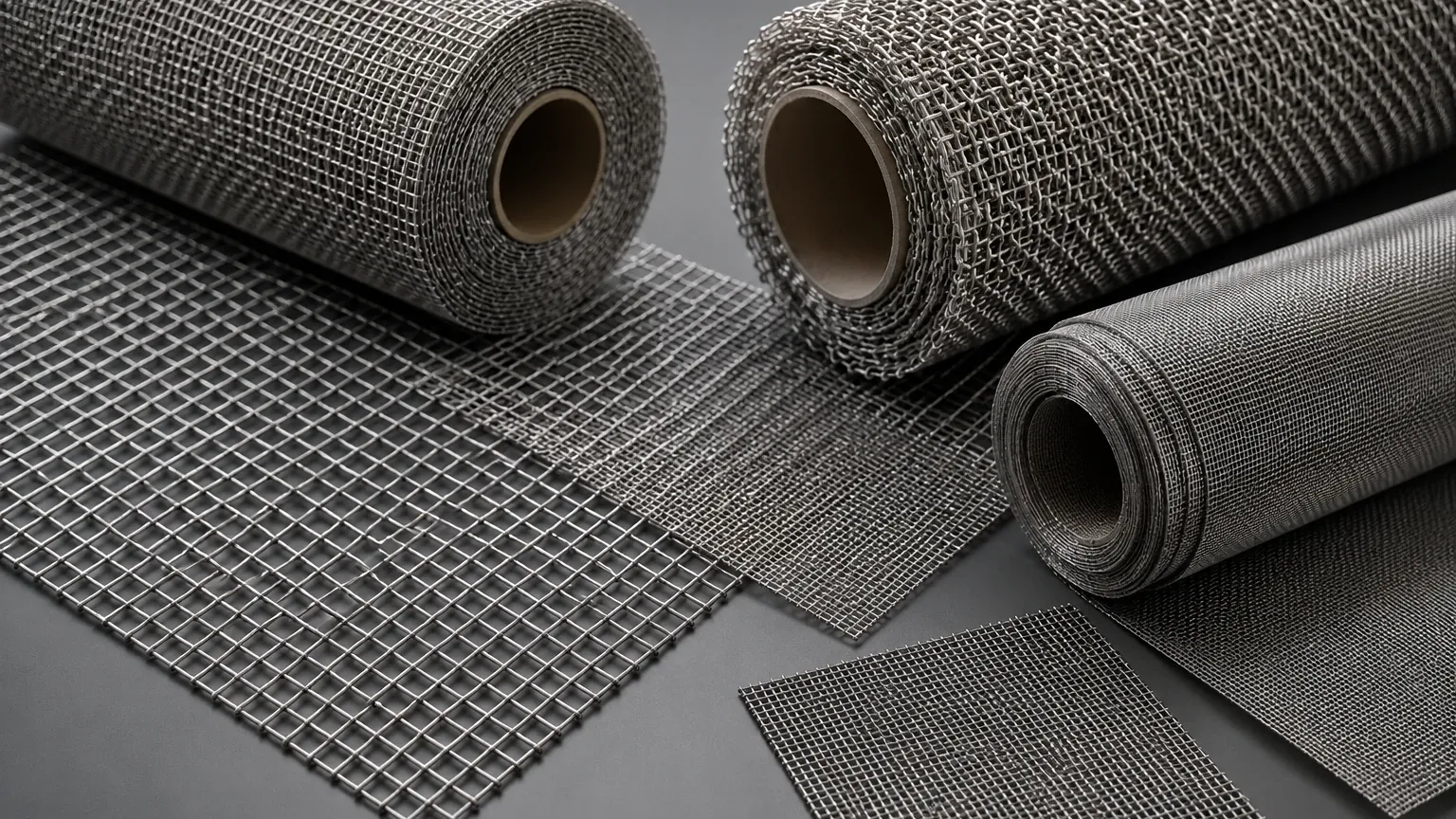
Galvanized woven wire mesh is manufactured by weaving carbon steel wires into a specific pattern—most commonly plain weave—and applying a protective zinc coating. The primary purpose of this coating is to provide cathodic protection to the underlying steel, preventing oxidation and extending the service life of the mesh in environments where moisture or mild atmospheric corrosives are present.
Unlike stainless steel, which relies on a chromium-oxide passive layer for corrosion resistance, galvanized mesh utilizes the sacrificial nature of zinc. If the coating is scratched or damaged, the surrounding zinc will corrode preferentially to the steel, maintaining the structural integrity of the mesh for a longer period than untreated carbon steel.
Manufacturing Processes: GBW vs. GAW
For technical professionals, the most important distinction in galvanized mesh is the sequence of manufacturing. The timing of the galvanization process significantly impacts the mesh’s performance, particularly at the intersection points of the wires.
Galvanized Before Weaving (GBW)
In the GBW process, individual steel wires are galvanized before they are loaded onto the loom. This ensures that every inch of the wire is coated. However, the weaving process involves high-tension mechanical manipulation. As wires are bent and crimped over one another, the zinc coating can experience micro-cracking or thinning at the knuckles (the intersection points). While GBW mesh is generally more economical, these mechanical stresses can create localized vulnerabilities to corrosion.
Galvanized After Weaving (GAW)
GAW, also known as Hot-Dip Galvanized After Weaving, involves weaving the raw carbon steel mesh first and then submerging the entire finished panel or roll into a molten zinc bath. This process provides several engineering advantages:
1. Joint Sealing: The molten zinc flows into the intersections of the wires, effectively "soldering" them together. This increases the structural rigidity of the mesh.
2. Uniform Coating: Because the mesh is dipped after all mechanical stresses have been applied, the coating remains intact and uniform across the entire surface.
3. Superior Corrosion Resistance: GAW typically results in a thicker zinc layer, making it better suited for outdoor or high-moisture industrial environments.
Technical Specifications and Evaluation Criteria
When specifying galvanized woven wire mesh for industrial projects, engineers must define several key parameters to ensure the mesh meets the mechanical requirements of the application.
Mesh Count and Aperture Size
The mesh count refers to the number of openings per linear inch. This, combined with the wire diameter, determines the aperture (opening) size. For filtration applications, the aperture size must be precisely calculated to meet the required micron rating. In galvanized mesh, it is important to account for the thickness of the zinc coating, as a heavy hot-dip coating can slightly reduce the effective aperture size compared to the raw wire dimensions.
Wire Gauge (Diameter)
The wire diameter influences both the strength of the mesh and the percentage of open area. Heavier gauges provide greater impact resistance and durability but reduce the flow rate (throughput) in filtration or sifting applications. Engineers must balance the need for mechanical robustness with the required hydraulic or pneumatic performance.
Zinc Coating Weight
Measured in ounces per square foot (oz/ft²) or grams per square meter (g/m²), the coating weight directly correlates to the expected lifespan of the mesh. Industrial-grade galvanized mesh typically follows standards such as ASTM A641, which specifies different classes of coating weights based on the severity of the intended environment.
Comparing Galvanized Mesh to Stainless Steel
While galvanized woven wire mesh is a versatile material, it is important to understand its limitations relative to the stainless steel solutions provided by Kaifil. Selection often comes down to a trade-off between initial cost and total cost of ownership.
| Feature | Galvanized Woven Wire Mesh | Stainless Steel (304/316L) |
| :— | :— | :— |
| Corrosion Resistance | Moderate (Sacrificial) | High (Passive Layer) |
| Chemical Compatibility | Poor in acids/alkalis | Excellent across wide pH ranges |
| Temperature Limit | Up to 200°C (approx.) | Up to 800°C+ (depending on grade) |
| Structural Rigidity | High (especially GAW) | Very High |
| Cost | Lower initial investment | Higher initial investment |
| Longevity | Finite (Zinc eventually depletes) | Long-term (Decades in right conditions) |
For applications involving food processing, pharmaceutical manufacturing, or aggressive chemical filtration, stainless steel is mandatory to prevent contamination and withstand CIP (Clean-in-Place) procedures. However, for general industrial guards, coarse sifting of non-corrosive aggregates, or architectural enclosures, galvanized mesh is often the more pragmatic choice.
Industrial Applications for Galvanized Mesh
Galvanized woven wire mesh is utilized across various sectors where cost-efficiency and basic durability are the primary drivers:
* Agriculture and Sifting: Used in the screening of grains, seeds, and soils where the environment is relatively dry and non-acidic.
* Industrial Safety Guards: Providing protective barriers around machinery and electrical components. The rigidity of GAW mesh makes it ideal for permanent safety installations.
* HVAC and Air Filtration: Serving as pre-filters or support layers for finer filter media in air handling units.
* Waste Management: Coarse screening in water treatment facilities to remove large debris before secondary and tertiary filtration stages.
* Construction and Infrastructure: Used in gabions, reinforcement, and pest control barriers where the mesh is exposed to the elements but not submerged in corrosive fluids.
Engineering Considerations for Installation and Maintenance
To maximize the utility of galvanized mesh, engineers should consider the following installation best practices:
1. Avoid Dissimilar Metal Corrosion: When mounting galvanized mesh, ensure that fasteners and support frames are also galvanized or made of compatible materials. Contact with copper or certain grades of stainless steel in the presence of an electrolyte (like moisture) can lead to galvanic corrosion, rapidly depleting the zinc coating.
2. Edge Protection: When galvanized mesh is cut, the steel core is exposed at the wire ends. While the surrounding zinc provides some sacrificial protection, in highly humid environments, these edges may show signs of "red rust" over time. For critical applications, edges should be framed or treated with a cold-galvanizing spray.
3. Environmental pH: Zinc is highly sensitive to pH levels. It performs best in environments with a pH between 6 and 12. Exposure to acidic rain or alkaline industrial runoff will accelerate the depletion of the zinc layer.
Selecting the Right Solution with Kaifil
Choosing between galvanized and stainless steel mesh requires a deep dive into the specific operational parameters of your project. If your application involves high pressures, extreme temperatures, or corrosive chemicals, a precision-engineered stainless steel solution is often the most cost-effective choice over the long term due to reduced replacement cycles and maintenance downtime.
At Kaifil, we help engineers navigate these complexities. Whether you require Plain, twill and dutch woven wire mesh in SS304/316L — rolls, cut mesh and framed panels. Send mesh count or micron target for a technical quote., our team provides the technical expertise necessary to ensure your filtration or screening system operates at peak efficiency.
When requesting a quote or technical consultation, please be prepared to provide:
* The specific medium being filtered or screened.
* Operating temperature and pressure ranges.
* Chemical composition of the environment.
* Required micron rating or aperture size.
* Mechanical stress requirements (e.g., flow rate, impact load).
By focusing on these factual engineering boundaries, procurement teams can move beyond simple price-per-roll comparisons and invest in filtration solutions that deliver sustained performance in demanding industrial environments.
