


Woven Wire Fence 4×4
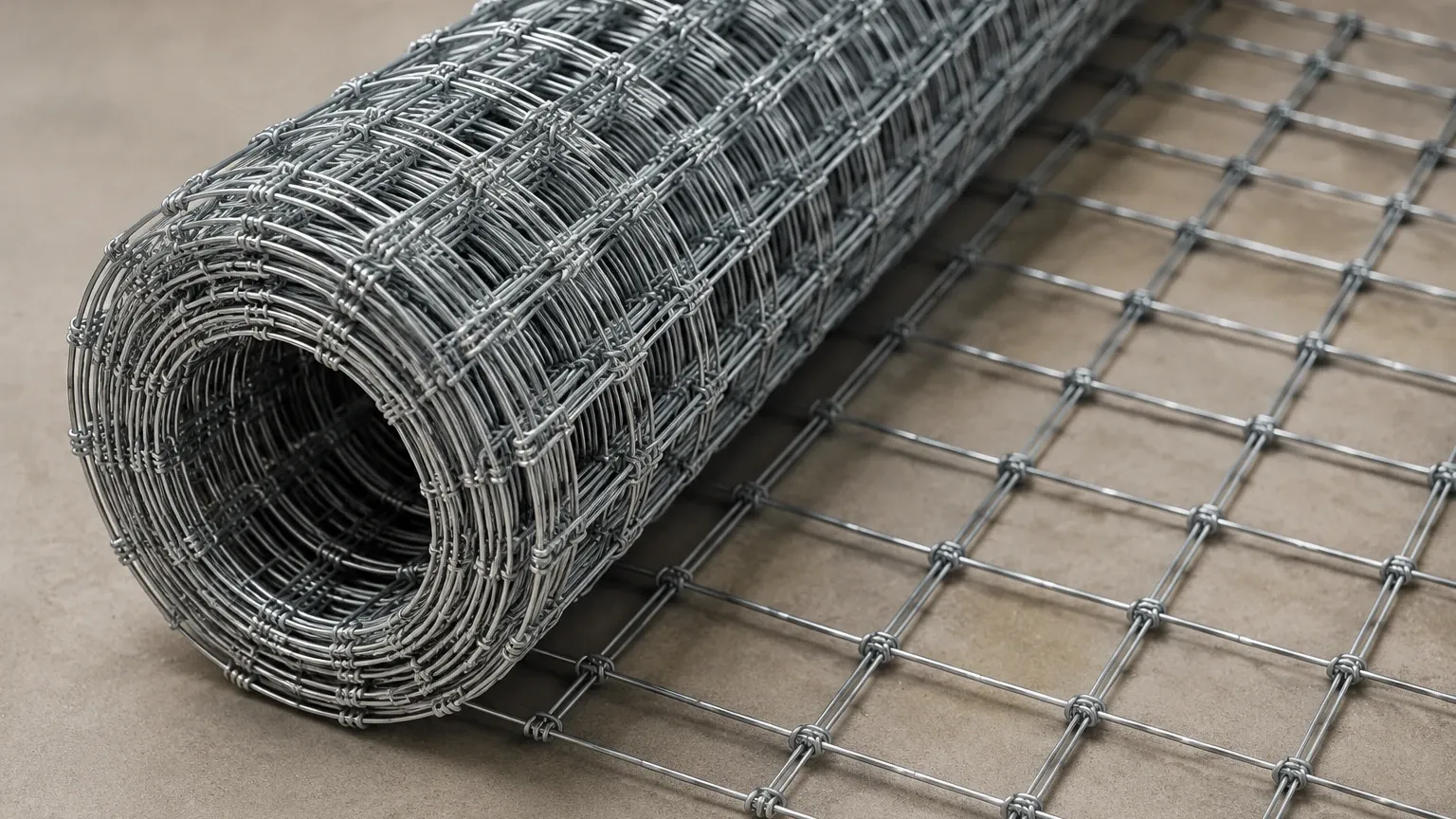
In industrial environments, the term "woven wire fence 4×4" often bridges the gap between traditional perimeter security and specialized structural mesh used for machinery guarding, safety enclosures, and coarse filtration. While the 4×4 specification—typically referring to a 4-inch by 4-inch square opening—is common in agricultural settings, industrial-grade requirements demand a significantly higher level of material integrity, precision, and durability.
For engineers and procurement professionals, selecting the right Woven Wire Mesh involves more than just identifying the aperture size. It requires a deep understanding of wire gauges, alloy compositions, and weave types to ensure the component survives the rigors of chemical exposure, mechanical stress, or high-temperature environments. This guide explores the technical considerations of 4×4 woven mesh from an industrial manufacturing perspective.
Understanding the 4×4 Specification in Industrial Contexts
When discussing a "4×4" specification for woven wire, it is critical to clarify the nomenclature. In the fencing industry, 4×4 generally refers to a 4-inch aperture (opening). However, in precision manufacturing and filtration, "mesh count" is often the standard, where a 4-mesh would mean four wires per linear inch.
For the purpose of industrial enclosures and coarse separation, we focus on the 4-inch aperture woven mesh. This large-opening mesh is frequently utilized as a structural component rather than a fine filter. It provides a high percentage of open area while maintaining the physical strength necessary to contain heavy equipment or protect personnel from mechanical hazards.
Key Differences Between Industrial and Commercial Grade Mesh
1. Wire Diameter (Gauge): Industrial applications often require much heavier wire diameters (ranging from 0.120" to 0.250" or more) compared to standard commercial fencing.
2. Alloy Purity: Industrial mesh uses certified SS304 or SS316L stainless steel, ensuring predictable performance in corrosive environments.
3. Weave Stability: Industrial woven mesh utilizes specialized crimping styles, such as intermediate crimp or lock crimp, to ensure the wires do not shift under impact or vibration.
Material Selection: SS304 vs. SS316L
The longevity of a woven wire fence 4×4 installation is primarily dictated by the material grade. At Kaifil, we emphasize the importance of matching the alloy to the specific environmental stressors of the application.
Stainless Steel 304
SS304 is the industry standard for general-purpose industrial mesh. It offers excellent strength and good corrosion resistance for indoor applications or outdoor environments with low salt and chemical exposure. It is the most cost-effective solution for machinery guards and safety partitions in food processing facilities where frequent wash-downs occur but aggressive chemicals are not used.
Stainless Steel 316L
For more demanding environments, SS316L is the preferred choice. The addition of molybdenum provides superior resistance to chlorides (salt) and acidic solutions. In chemical processing plants, marine environments, or pharmaceutical manufacturing, SS316L ensures that the Woven Wire Mesh does not suffer from pitting or stress corrosion cracking.
Engineering Considerations: Weave Types and Structural Integrity
The method by which the wires are interlaced significantly impacts the performance of a 4×4 mesh. Unlike fine filtration mesh, which often uses a plain or dutch weave, coarse industrial mesh relies on crimping techniques to lock the large-diameter wires in place.
Plain Weave
In a plain weave, each shute wire passes alternately over and under each warp wire. For a 4×4 opening, this is only feasible if the wire diameter is sufficiently large to maintain tension.
Lock Crimp
This is the most common weave for industrial 4×4 mesh. The wires are pre-crimped with distinct "locks" at the intersections. This prevents the wires from sliding or vibrating loose, which is essential for safety guards on vibrating machinery or high-traffic floor partitions.
Intermediate Crimp
Intermediate crimping involves extra crimps between the intersections. This is often used when using lighter-gauge wire with large openings to provide additional rigidity and to ensure the mesh remains flat and square during installation.
Industrial Applications for 4×4 Woven Mesh
While the term "fence" implies a perimeter, the industrial applications of 4×4 woven mesh are diverse and technically demanding.
1. Machinery Guarding and Safety Enclosures
In manufacturing plants, 4×4 mesh serves as a physical barrier around robotic cells, conveyors, and high-voltage equipment. The 4-inch opening allows for excellent visibility and airflow—critical for cooling electronics—while preventing personnel from reaching into dangerous areas. The high tensile strength of stainless steel ensures the mesh can withstand accidental impacts from forklifts or falling debris.
2. Coarse Filtration and Scalping
In the initial stages of water treatment or chemical processing, large-opening mesh acts as a "trash screen" or scalping medium. It removes large debris before the fluid reaches finer filtration stages, such as stainless steel filter cartridges. The 4×4 aperture is ideal for protecting pumps and valves from large solids.
3. Storage and Logistics Partitions
For high-security storage within warehouses, woven wire panels provide a modular and durable solution. Unlike welded wire, which can fail at the weld points under repeated stress, woven mesh distributes impact loads across the entire panel, offering superior structural resilience.
Evaluating Performance: Open Area and Flow Rates
For engineers, the "Open Area" percentage is a vital metric. It determines how much air or liquid can pass through the mesh. The formula for calculating open area in square mesh is:
Open Area % = (Aperture / (Aperture + Wire Diameter))² x 100
For a 4×4 mesh with a 0.120" wire diameter, the open area is approximately 94%. This high transparency is excellent for ventilation but must be balanced against the required mechanical strength. If the application involves high-pressure fluid flow, the drag coefficient of the wire must also be considered to prevent structural deformation of the mesh panel.
Common Risks and Quality Control in Procurement
When sourcing Woven Wire Mesh, several factors can compromise the success of a project if not properly addressed during the specification phase:
* Dimensional Tolerance: In large-scale installations, even a small deviation in the 4-inch aperture can lead to alignment issues when fitting panels into frames. Ensure your supplier adheres to ASTM E2016 standards for industrial woven wire cloth.
* Edge Treatment: For safety enclosures, the edges of the mesh must be properly finished. Options include knuckled edges (bent over), welded edges, or framing the mesh in a C-channel. Raw, cut edges present a significant laceration hazard in industrial environments.
* Material Certification: Always request MTRs (Material Test Reports) to verify that the alloy meets the specified chemical composition. Lower-grade alloys masquerading as SS304 will fail prematurely in corrosive settings.
Installation and Maintenance Best Practices
To maximize the lifecycle of a woven wire fence 4×4 system, proper installation is paramount.
Framing and Support
Large-opening mesh should always be supported by a robust frame. For industrial applications, 1-inch to 2-inch angle iron or C-channel is standard. The mesh should be tack-welded or bolted to the frame at regular intervals (typically every 6 to 12 inches) to prevent sagging.
Maintenance and Cleaning
One of the primary advantages of stainless steel Woven Wire Mesh is its low maintenance requirement. In food and beverage or pharmaceutical applications, the mesh can be cleaned using high-pressure steam or alkaline cleaners. For outdoor or chemical environments, periodic rinsing with fresh water helps remove accumulated salts or particulates that could lead to crevice corrosion at the wire intersections.
Conclusion: Selecting the Right Partner
Choosing a 4×4 woven wire solution requires balancing aperture size, wire diameter, and material grade against the specific demands of your industrial environment. Whether you are designing a safety enclosure for a high-speed production line or a coarse separation screen for a chemical reactor, the quality of the weave and the purity of the alloy are non-negotiable.
At Kaifil, we specialize in providing high-performance filtration and structural mesh solutions. Our engineering team works closely with global customers to develop customized designs that meet exact application requirements, from material selection to final production. By focusing on durability and precise manufacturing, we help you achieve a lower total cost of ownership and optimized performance for your industrial filtration and safety systems.
Before proceeding with your next project, confirm the wire diameter requirements and environmental stressors to ensure your woven wire fence 4×4 provides the long-term reliability your operations demand.
