


Woven Wire Fence on Sale: A Technical Guide to Industrial Procurement
In the industrial sector, the search for a "woven wire fence on sale" often signals a procurement effort to balance rigorous safety standards with budgetary constraints. Unlike residential or agricultural fencing, industrial-grade woven wire solutions—frequently utilized for machine guarding, warehouse partitions, and high-security perimeter enclosures—require a deep understanding of material science and structural engineering. When high-performance materials like stainless steel are involved, the "sale" price must be evaluated against the total cost of ownership, including durability, maintenance, and compliance with safety regulations.
For engineers and facility managers, the priority is not merely finding the lowest price point but identifying a solution that offers long-term reliability in demanding environments. This guide examines the technical criteria for selecting woven wire mesh for fencing and enclosure applications, ensuring that discounted procurement does not compromise structural integrity or safety.
The Engineering Behind Industrial Woven Wire Mesh
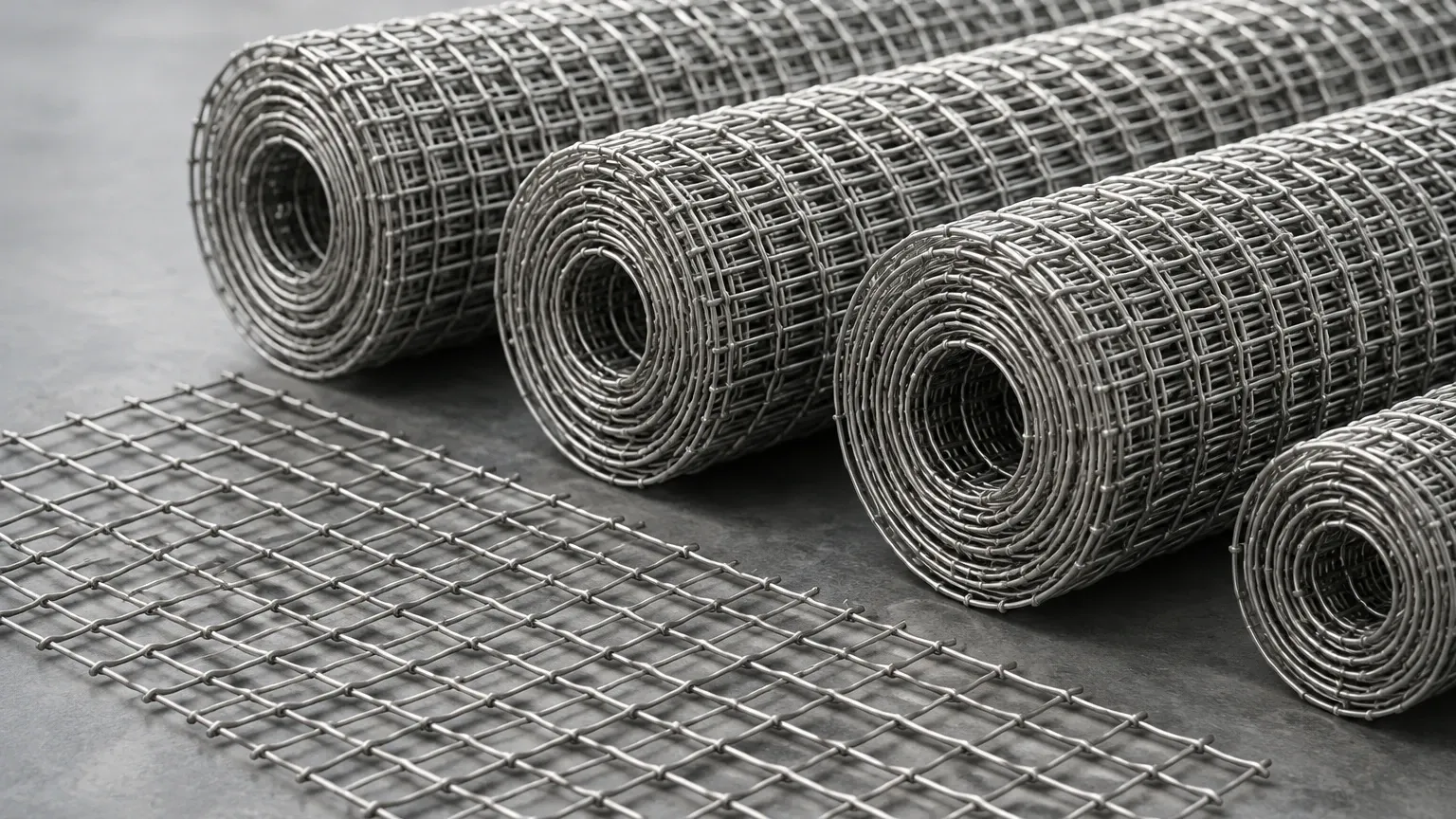
At the core of any high-quality industrial fence is the Woven Wire Mesh. This material is manufactured by weaving individual wires over and under one another to create a stable, consistent grid. In a B2B context, the specifications of this mesh determine its suitability for specific environments, such as chemical processing plants, food production facilities, or heavy manufacturing floors.
When evaluating a woven wire fence on sale, it is essential to look beyond the surface dimensions. The performance of the mesh is dictated by several key factors:
1. Wire Diameter: This determines the physical strength and impact resistance of the fence. Heavier gauges are required for high-traffic industrial areas or where the fence must act as a physical barrier against equipment.
2. Aperture Size: The "opening" or space between wires. This is critical for visibility, airflow, and security. In machine guarding, the aperture must be small enough to prevent fingers or tools from reaching moving parts.
3. Mesh Count: The number of openings per linear inch. A higher mesh count typically offers finer protection but may reduce visibility and airflow.
For those seeking specific configurations, Plain, twill and dutch woven wire mesh in SS304/316L — rolls, cut mesh and framed panels. Send mesh count or micron target for a technical quote. provides a range of options that can be tailored to industrial safety requirements.
Material Selection: Why Stainless Steel Dominates Industrial Fencing
One of the most common reasons a woven wire fence might be offered at a discount is a variation in material grade. In industrial applications, the choice of alloy is the single most important factor in determining the lifespan of the installation.
Grade 304 Stainless Steel
This is the industry standard for general-purpose industrial fencing. It offers excellent corrosion resistance and high tensile strength. It is suitable for most indoor applications and outdoor environments where exposure to salt or harsh chemicals is minimal. When a 304-grade fence is on sale, it often represents the best value for standard warehouse partitioning or safety enclosures.
Grade 316/316L Stainless Steel
For facilities dealing with corrosive chemicals, high humidity, or coastal salt air, Grade 316 is mandatory. The addition of molybdenum provides superior resistance to pitting and crevice corrosion. While 316L (low carbon) is more expensive, it is essential for components that require welding, as it prevents sensitized corrosion in the heat-affected zone. Purchasing 316L mesh on sale is an strategic move for pharmaceutical and chemical processing plants looking to reduce long-term maintenance costs.
Evaluating Weave Types for Structural Applications
The method by which the wires are interlaced significantly affects the rigidity and surface texture of the fence. Understanding these weaves helps engineers select the right product during a sale event.
* Plain Weave: The most common and cost-effective weave. Each warp wire crosses alternately over and under each weft wire. It provides a consistent opening size and is ideal for standard safety fencing.
* Twill Weave: Each warp wire passes alternately over two and under two weft wires. This allows for the use of heavier wire diameters in a given mesh count, resulting in a more robust and flexible screen, often used in heavy-duty partitions.
* Dutch Weave: While primarily used in high-pressure filtration, certain heavy Dutch weaves are employed in specialized industrial enclosures where extremely high strength and limited visibility (for privacy or security) are required.
Risks Associated with Discounted Woven Wire Fencing
While a "sale" can offer significant cost savings, B2B buyers must remain vigilant against common pitfalls that can lead to premature failure. If the price seems unusually low, engineers should verify the following:
1. Material Substitution
Lower-quality alloys or "mystery metals" may be substituted for certified 304 or 316 stainless steel. These materials may look identical upon installation but will rust or fail within months in an industrial setting. Always request a Material Test Report (MTR) to verify the chemical composition of the wire.
2. Inconsistent Weave Tension
High-quality woven wire mesh is produced on precision looms that maintain uniform tension. Discounted products may suffer from "wire migration," where the wires shift over time, enlarging the apertures and compromising the security or safety rating of the fence.
3. Dimensional Inaccuracies
In industrial enclosures, precision is paramount. If the mesh is not cut squarely or if the roll width varies, installation becomes difficult and labor costs increase. The savings gained from a sale can quickly be lost to increased man-hours during the assembly of framed panels.
Applications for Industrial Woven Wire Enclosures
Woven wire fencing is versatile, and its application dictates the necessary specifications. When browsing a sale, consider these common industrial use cases:
* Machine Guarding: Protecting personnel from moving machinery requires a mesh that is rigid enough to withstand impact and has an aperture small enough to meet OSHA or ISO safety standards. Stainless steel is preferred here for its ability to withstand frequent washdowns in food or pharmaceutical environments.
* Warehouse Partitions: Large-scale enclosures for inventory control or hazardous material storage benefit from the airflow and visibility provided by woven wire mesh. Using 304 stainless steel ensures the partitions remain professional-looking and rust-free for decades.
* Security Cages: For high-value electronics or sensitive pharmaceutical stock, woven wire cages provide a physical barrier that is difficult to cut or penetrate, while still allowing for existing HVAC and fire suppression systems to function effectively.
Technical Checklist Before Finalizing a Purchase
Before taking advantage of a woven wire fence on sale, technical professionals should confirm the following details with the manufacturer or supplier:
* Certification: Does the product come with an MTR? Is it compliant with relevant ASTM standards (e.g., ASTM A580 for stainless steel wire)?
* Edge Treatment: For fencing, how are the edges finished? Knuckled or welded edges are necessary to prevent snagging and to ensure the mesh remains securely within its frame.
* Load Requirements: Has the mesh been tested for impact resistance or tensile strength? This is particularly important for safety-critical machine guards.
* Customization Options: Can the mesh be provided in specific cut-to-size panels or framed units? Pre-fabricated panels often offer better value than raw rolls when labor costs are considered.
Conclusion: Strategic Procurement of Woven Wire Mesh
Finding a woven wire fence on sale is an opportunity to upgrade facility safety and organization while adhering to a budget. However, the technical demands of industrial environments mean that price cannot be the only factor. By focusing on material grade, weave precision, and application-specific requirements, procurement teams can secure a solution that provides decades of service.
High-quality stainless steel woven wire mesh remains the gold standard for industrial enclosures. Whether the goal is to enhance worker safety through machine guarding or to secure high-value assets with durable partitions, investing in verified, manufacturer-backed materials ensures that the "sale" price reflects true value rather than a compromise in quality. For those in the planning stages of a project, consulting with a specialist to match the mesh count and wire diameter to the specific environmental stressors is the most effective way to ensure a successful installation.
