


Woven Wire Mesh Fabric: An Engineering Guide to Selection and Application
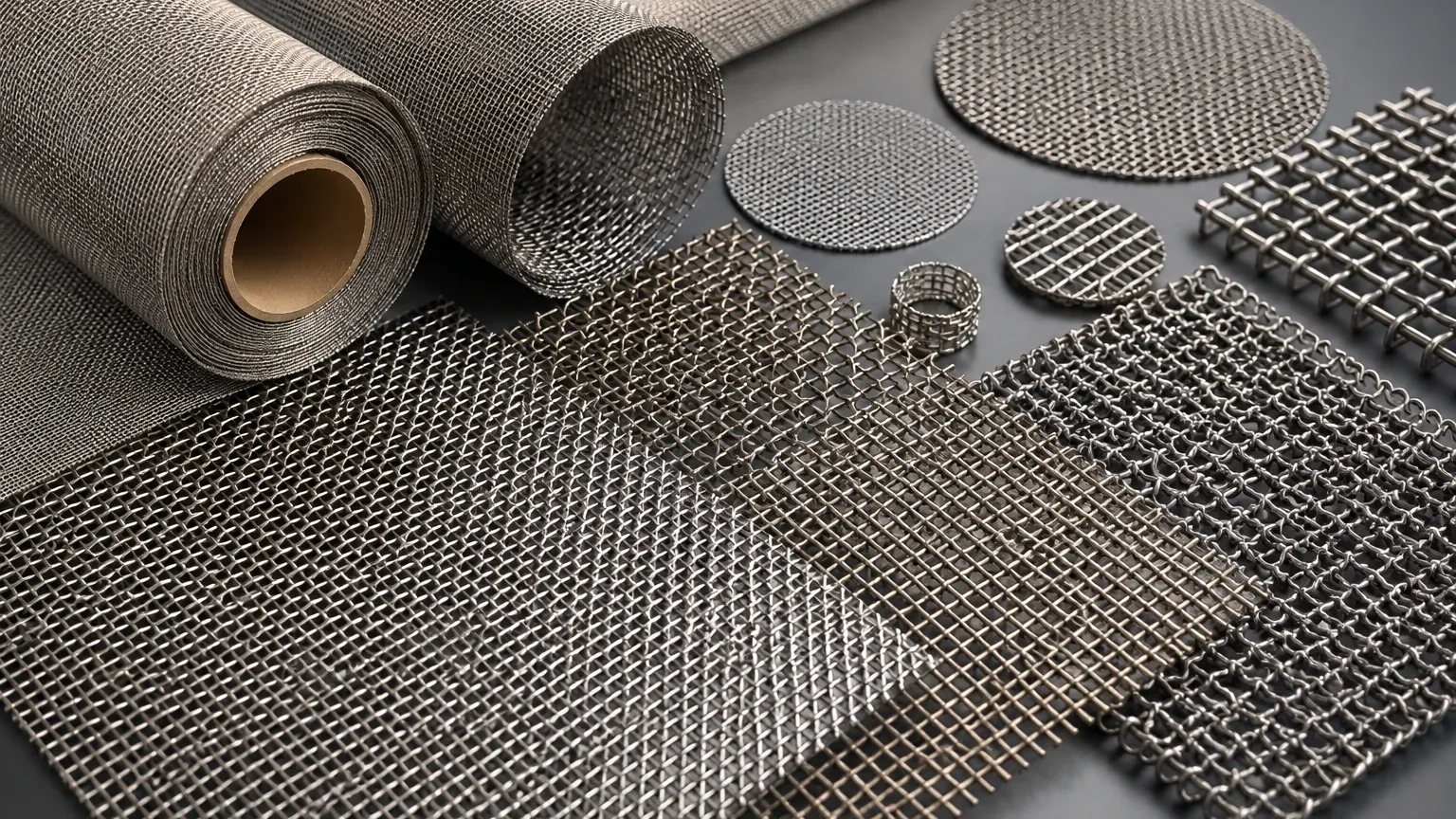
In industrial filtration and separation processes, the selection of the correct media is a critical factor in determining system efficiency, product purity, and operational longevity. Woven wire mesh fabric, a precision-engineered material, serves as a cornerstone in diverse sectors ranging from chemical processing to pharmaceutical manufacturing. Unlike non-woven or perforated materials, woven wire mesh offers a unique combination of mechanical strength, predictable pore geometry, and high temperature resistance.
Selecting the appropriate Woven Wire Mesh requires a deep understanding of weaving patterns, metallurgical properties, and fluid dynamics. This guide provides a technical overview of the engineering considerations necessary for optimizing filtration performance using woven wire mesh fabric.
The Fundamentals of Woven Wire Mesh Fabric Construction
At its core, woven wire mesh fabric is produced through a controlled weaving process where warp wires (running lengthwise) and shute wires (running crosswise) are interlaced on industrial looms. The precision of this process determines the uniformity of the apertures, which is the most critical factor for accurate particle size exclusion.
Weave Patterns and Their Functional Impact
The geometry of the weave dictates the mechanical behavior and filtration characteristics of the fabric. Engineers must choose a pattern that balances flow rate, filtration accuracy, and structural rigidity.
1. Plain Weave
The most common and straightforward pattern, plain weave follows a simple over-one, under-one sequence. This results in square openings and a consistent open area. It is ideal for general-purpose filtration, sieving, and applications where a high percentage of open area is required to minimize pressure drop.
2. Twill Weave
In a twill weave, each shute wire passes over and under two warp wires in a staggered pattern. This construction allows for the use of heavier wire diameters relative to the mesh count, providing greater strength and durability. Twill weaves are often employed when the mesh is subjected to high mechanical loads or when a finer filtration rating is needed than what a plain weave can offer with the same wire thickness.
3. Dutch Weave (Plain and Twill)
Dutch weaves utilize different wire diameters for the warp and shute. Typically, a larger diameter warp wire is used with a smaller diameter, tightly packed shute wire. This creates a dense, three-dimensional structure with triangular or curved paths for the fluid.
* Plain Dutch Weave: Offers high mechanical strength and is capable of filtering particles down to 20-30 microns.
* Twill Dutch Weave: By combining the twill pattern with the Dutch wire configuration, manufacturers can achieve filtration ratings as fine as 1-5 microns. This is the standard for high-pressure hydraulic systems and critical chemical separation.
Material Engineering: Stainless Steel and Beyond
The environment in which the woven wire mesh fabric operates dictates the choice of alloy. In industrial filtration, stainless steel is the predominant material due to its corrosion resistance, thermal stability, and ease of cleaning.
Stainless Steel 304 (SS304)
SS304 is the standard industrial grade, providing excellent resistance to atmospheric corrosion and many organic and inorganic chemicals. It is widely used in food processing and general industrial applications where extreme chemical aggression is not present.
Stainless Steel 316L (SS316L)
The "L" denotes low carbon content, which improves weldability and resistance to intergranular corrosion. SS316L contains molybdenum, significantly enhancing its resistance to chlorides and pitting. This makes it the preferred choice for marine environments, pharmaceutical production, and chemical processing involving acidic or saline solutions.
Specialty Alloys
For environments exceeding the capabilities of standard stainless steel, engineers may specify alloys such as Hastelloy, Inconel, or Monel. These materials are reserved for high-temperature oxidation resistance or extreme chemical exposure, such as in petrochemical refining or aerospace applications.
Key Technical Specifications for Engineers
When specifying woven wire mesh fabric, four primary metrics define the performance profile of the material:
1. Mesh Count: The number of openings per linear inch. A higher mesh count indicates finer filtration but generally results in a lower open area.
2. Wire Diameter: The thickness of the wire before weaving. Heavier wires increase the mesh's lifespan and pressure resistance but reduce the aperture size and open area.
3. Aperture (Opening Size): The clear distance between two adjacent wires. This is the definitive metric for particle exclusion.
4. Percentage of Open Area (POA): Calculated as the ratio of the total area of the openings to the total area of the mesh. It is expressed by the formula:
$$POA = \frac{(Aperture)^2}{(Aperture + Wire Diameter)^2} \times 100$$
A higher POA reduces the initial pressure drop ($ΔP$) across the filter, which is vital for energy efficiency in high-flow systems.
Engineering Considerations: Performance and Durability
Selecting a mesh based solely on micron rating is a common pitfall. Engineers must also account for the physical stresses and operational cycles the mesh will endure.
Pressure Drop and Flow Resistance
Every filter medium introduces resistance to flow. As the woven wire mesh fabric captures particles, the effective open area decreases, leading to an increase in pressure drop. Engineers must size the filter surface area to ensure that the clean pressure drop is well within the system's pump capacity, allowing for a sufficient "dirt-holding capacity" before cleaning or replacement is required.
Structural Integrity and Pleating
In many cartridge designs, the mesh is pleated to increase the surface area within a compact footprint. The mesh must be flexible enough to undergo pleating without fracturing the wires, yet rigid enough to maintain its shape under flow-induced stress. Support layers, often made of coarser mesh, are frequently used to provide mechanical backing for fine filtration layers.
Chemical and Thermal Compatibility
High-temperature applications (e.g., polymer filtration or hot gas cleanup) require materials that maintain their mechanical properties at elevated temperatures. Stainless steel 316L can typically operate up to 400°C in oxidizing atmospheres without significant loss of integrity, though thermal expansion must be accounted for in the housing design.
Industrial Applications of Woven Wire Mesh Fabric
Chemical and Petrochemical Processing
In these sectors, mesh is used for catalyst recovery, solvent filtration, and the removal of impurities from corrosive fluids. The ability to withstand aggressive pH levels while maintaining precise micron ratings is paramount.
Food and Beverage Industry
Hygiene is the primary concern here. Woven wire mesh fabric made from SS304 or SS316L is non-leaching and easy to sanitize. It is used in juice clarification, dairy processing, and the filtration of cooking oils. The smooth surface of the wire prevents bacterial growth and allows for effective Clean-in-Place (CIP) procedures.
Pharmaceutical Manufacturing
Precision is non-negotiable in pharmaceutical applications. Dutch weave meshes are used to ensure that active pharmaceutical ingredients (APIs) are free from particulate contamination. The materials must comply with stringent regulatory standards regarding surface finish and material traceability.
Hydraulic and Lubrication Systems
Fine twill Dutch weave mesh protects sensitive hydraulic valves and bearings from wear-inducing particles. These filters must handle high differential pressures and provide consistent performance over long service intervals.
Procurement and Customization: What to Confirm
Before finalizing a purchase of woven wire mesh fabric, technical teams should confirm several critical factors with the manufacturer to ensure the product meets application requirements:
* Dimensional Tolerances: Confirm that the mesh count and wire diameter adhere to international standards such as ISO 9044 or ASTM E2016. Variations in wire diameter can significantly impact the open area and filtration efficiency.
* Edge Treatments: Depending on the installation, the mesh may require finished edges, welding, or framing to prevent fraying and ensure a secure seal within the filter housing.
* Cleaning Compatibility: Determine if the mesh can be cleaned via ultrasonic baths, backwashing, or chemical solvents. Reusability is a major cost-saving advantage of metal mesh over disposable media.
* Material Certification: For regulated industries, request Mill Test Reports (MTRs) to verify the chemical composition of the alloy.
Total Cost of Ownership (TCO)
While the initial cost of stainless steel woven wire mesh fabric is higher than synthetic or paper media, the TCO is often lower in industrial settings. The durability of metal mesh allows for multiple cleaning cycles, reducing the frequency of replacement and the associated downtime. Furthermore, the high flow rates achievable with optimized mesh designs can lead to significant energy savings over the life of the system.
Conclusion
Woven wire mesh fabric is a versatile and robust solution for the most demanding industrial filtration challenges. By carefully evaluating weave patterns, material grades, and technical specifications, engineers can implement filtration systems that provide precise separation, high throughput, and long-term reliability. Whether for high-pressure hydraulics or sanitary food processing, the performance of the system begins with the quality and specification of the mesh itself.
For technical assistance in selecting the right mesh count or micron target for your specific application, Plain, twill and dutch woven wire mesh in SS304/316L — rolls, cut mesh and framed panels. Send mesh count or micron target for a technical quote.
