


Woven Wire Mesh Price: A Technical Guide for Industrial Procurement
In industrial filtration and separation, selecting the right material is a balance between performance requirements and budgetary constraints. Woven wire mesh is a foundational component in sectors ranging from chemical processing to pharmaceutical manufacturing. However, for procurement teams and engineers, understanding the factors that determine the woven wire mesh price is essential for optimizing the total cost of ownership and ensuring the longevity of the filtration system.
The cost of Woven Wire Mesh is not a static figure; it is a variable influenced by metallurgical composition, weaving complexity, dimensional tolerances, and secondary processing requirements. This guide examines the technical drivers behind mesh pricing to help technical professionals make informed purchasing decisions.
1. Material Selection: The Primary Driver of Cost
The most significant factor in the woven wire mesh price is the raw material used. In industrial environments, stainless steel is the standard due to its mechanical strength and resistance to oxidation. However, the specific grade of stainless steel chosen has a direct impact on the quote.
Stainless Steel 304 vs. 316L
Stainless Steel 304 is the most common grade used for general-purpose industrial applications. It offers good corrosion resistance and is relatively cost-effective. However, in environments involving chlorides or high acidity—common in marine or chemical processing applications—SS304 may suffer from pitting corrosion.
Stainless Steel 316L contains molybdenum, which significantly enhances its resistance to corrosion and prevents intergranular corrosion after welding. Because of the addition of molybdenum and often higher nickel content, SS316L typically commands a price premium of 15% to 30% over SS304. For engineers, the higher initial investment in 316L is often justified by the reduced frequency of filter replacement in harsh environments.
Specialty Alloys
For extreme conditions involving high temperatures or highly corrosive chemicals, specialty alloys like Monel, Inconel, or Hastelloy may be required. These materials are significantly more expensive than standard stainless steel due to the scarcity of the raw elements and the difficulty of drawing these hard alloys into fine wires. When specifying these materials, the price is often quoted based on the current market value of the base metals.
2. The Impact of Weave Type and Complexity
The method by which the wires are interlaced—the weave type—affects both the filtration performance and the manufacturing cost. As the complexity of the weave increases, so does the labor and machine time required, which is reflected in the final woven wire mesh price.
Plain Weave
This is the most straightforward and common weave, where each shute wire passes over and under one warp wire. Because it is the easiest to produce at high speeds, plain weave mesh generally represents the baseline for pricing. It is ideal for general screening and low-pressure filtration.
Twill Weave
In a twill weave, each shute wire passes over and under two warp wires. This allows for the use of heavier wires for a given mesh count, providing greater strength or the ability to create a finer mesh than is possible with a plain weave. The setup for twill weaving is more complex, leading to a higher price point than plain weave.
Dutch Weave (Plain and Twill)
Dutch weaves utilize different diameters for the warp and shute wires. This results in a much denser mesh with smaller triangular openings, providing superior filtration at high pressures. Plain Dutch Weave and Twill Dutch Weave (including Reverse Dutch Weave) are specialized products. The precision required to weave these dense structures means they are priced higher than standard square mesh. They are essential for fine micron filtration where structural integrity is paramount.
3. Technical Specifications: Mesh Count and Wire Diameter
To understand the woven wire mesh price, one must look at the relationship between the mesh count (the number of openings per linear inch) and the wire diameter. These two factors determine the "weight" of the mesh and the difficulty of the weaving process.
* Weight-Based Pricing: Much of the cost of industrial mesh is tied to the weight of the metal. Thicker wire diameters increase the weight per square foot, thereby increasing the material cost.
* Manufacturing Difficulty: Conversely, extremely fine mesh (high mesh counts with very thin wires) requires specialized looms and slower production speeds to prevent wire breakage. In these cases, even though the material weight is low, the manufacturing labor and quality control requirements drive the price up.
* Aperture Precision: If an application requires high-precision apertures with strict tolerances (as seen in laboratory sieves or high-end pharmaceutical filters), the yield rate during manufacturing may be lower, and the testing requirements higher, both of which contribute to a higher unit cost.
4. Manufacturing Standards and Quality Assurance
Quality assurance is a critical component of the value proposition in industrial filtration. A lower woven wire mesh price from a supplier might indicate a lack of rigorous testing or adherence to international standards. Reliable manufacturers like Kaifil adhere to standards such as ASTM E2016-15, which governs the industrial woven wire cloth specifications.
Factors that influence cost in the quality category include:
* Material Certification: Providing Mill Test Reports (MTRs) to verify the chemical composition of the stainless steel.
* Dimensional Inspection: Using digital microscopy to verify mesh count and wire diameter consistency across the entire roll.
* Flatness and Tension: Ensuring the mesh is free from curls, waves, or distortions, which is vital for subsequent processing like pleating or framing.
For critical applications in the food and beverage or pharmaceutical sectors, the cost of documented quality is a necessary investment to ensure regulatory compliance and prevent batch contamination.
5. Customization, OEM Requirements, and Secondary Processing
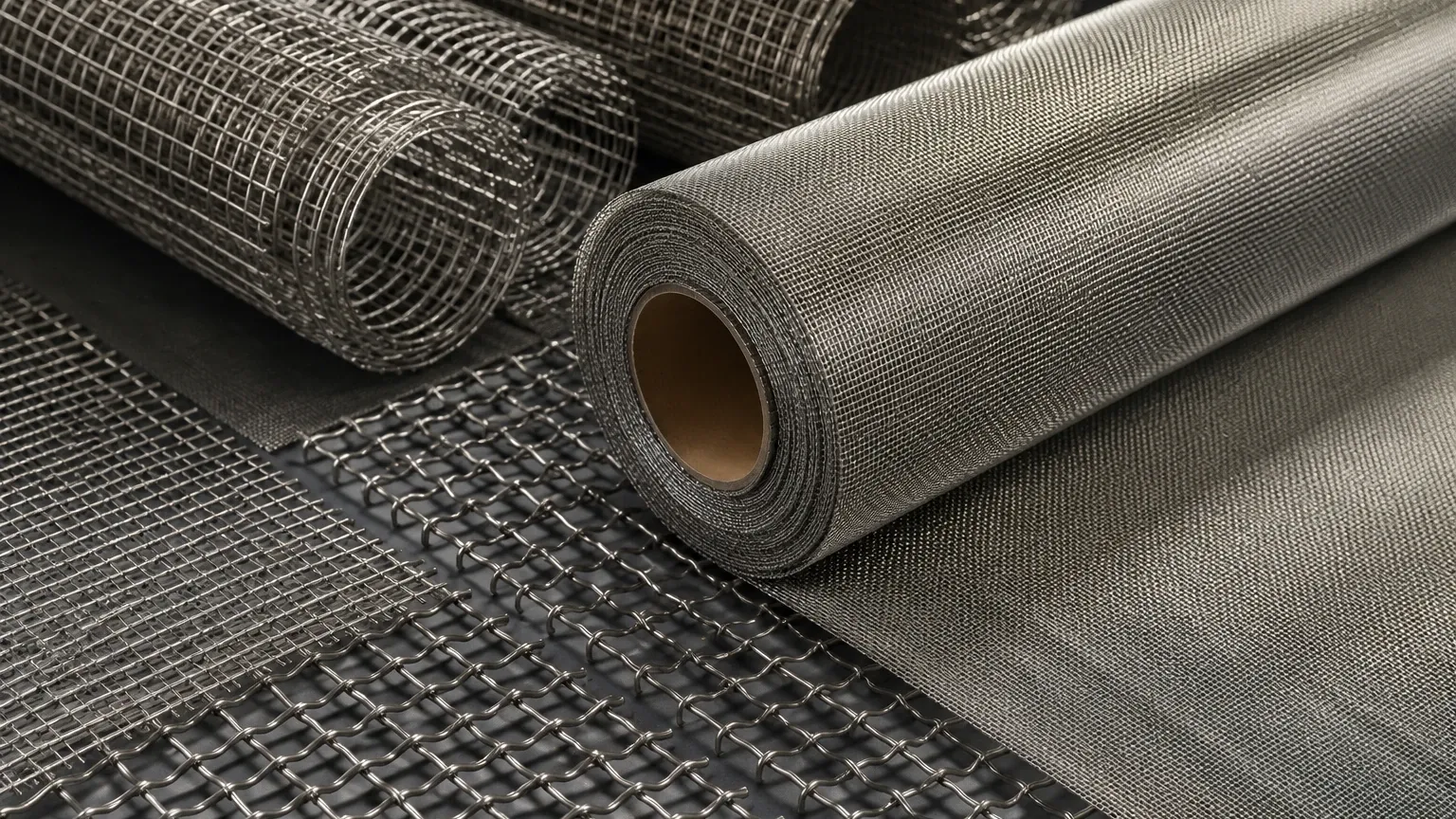
Standard rolls of woven wire mesh are typically 36, 48, or 60 inches wide. However, most industrial applications require some level of customization. The degree of secondary processing requested will be integrated into the woven wire mesh price.
Cut-to-Size and Slitting
Precision slitting or die-cutting the mesh into specific shapes (circles, rectangles, or custom gaskets) reduces waste and labor for the end-user but adds to the initial purchase price. Advanced techniques like laser cutting or ultrasonic cutting can provide clean edges that prevent fraying, which is a common issue with mechanical shearing.
Framing and Support
For use in vibrating screens or heavy-duty filters, the mesh may need to be mounted in a metal frame or reinforced with a perforated metal backing. This structural integration requires welding or crimping expertise.
OEM Solutions
For equipment manufacturers (OEMs), custom filter cartridges or pleated elements may be required. This involves complex engineering to calculate the effective filtration area and ensure the mesh can withstand specific pressure drops. Plain, twill and dutch woven wire mesh in SS304/316L — rolls, cut mesh and framed panels. Send mesh count or micron target for a technical quote. is often the starting point for these complex assemblies.
6. Total Cost of Ownership: Beyond the Initial Purchase Price
When evaluating the woven wire mesh price, engineers must look beyond the line item on a purchase order. The Total Cost of Ownership (TCO) includes the longevity, maintenance, and efficiency of the filter.
* Durability: A cheaper, lower-quality mesh may suffer from wire displacement or premature corrosion, leading to system downtime. The cost of one hour of lost production in a chemical plant often far exceeds the price difference between a standard and a premium mesh.
* Cleaning and Reusability: High-quality stainless steel mesh is designed to be cleaned (via backwashing or ultrasonic cleaning) and reused. Meshes with inferior surface finishes may trap particles more stubbornly, shortening the filter's service life.
* Filtration Efficiency: Precision-woven mesh ensures a consistent pressure drop. If the mesh apertures are inconsistent, the filtration system may experience irregular flow rates, impacting the quality of the final product.
7. How to Effectively Compare Woven Wire Mesh Quotes
To ensure you are receiving a fair and accurate woven wire mesh price, it is important to provide suppliers with a detailed specification. When requesting a quote, confirm the following parameters:
1. Material Grade: Specify SS304, SS316L, or other alloys.
2. Mesh Count: The number of wires per inch in both directions.
3. Wire Diameter: Usually expressed in inches or millimeters.
4. Weave Type: Plain, Twill, or Dutch.
5. Dimensions: Roll width and length, or specific piece dimensions.
6. Quantity: Volume discounts are significant in mesh manufacturing due to the time required for loom setup.
7. Compliance: State any required certifications (FDA, ISO, ASTM).
By standardizing these variables, procurement teams can compare quotes on an "apples-to-apples" basis, ensuring that the selected supplier can meet the technical rigors of the application while providing a competitive price.
Conclusion
The woven wire mesh price is a reflection of the engineering and material science that goes into every roll. While it may be tempting to prioritize the lowest initial cost, technical professionals recognize that the reliability of the filtration process depends on the quality of the mesh. By understanding the impact of material grades, weave complexities, and manufacturing standards, you can select a filtration solution that offers the best performance and value over its entire operational life.
For those seeking precision-engineered components, Kaifil provides a range of stainless steel solutions tailored to demanding industrial environments, ensuring that every specification—from micron rating to material purity—is met with exacting standards.
