


Disc Filter Automat
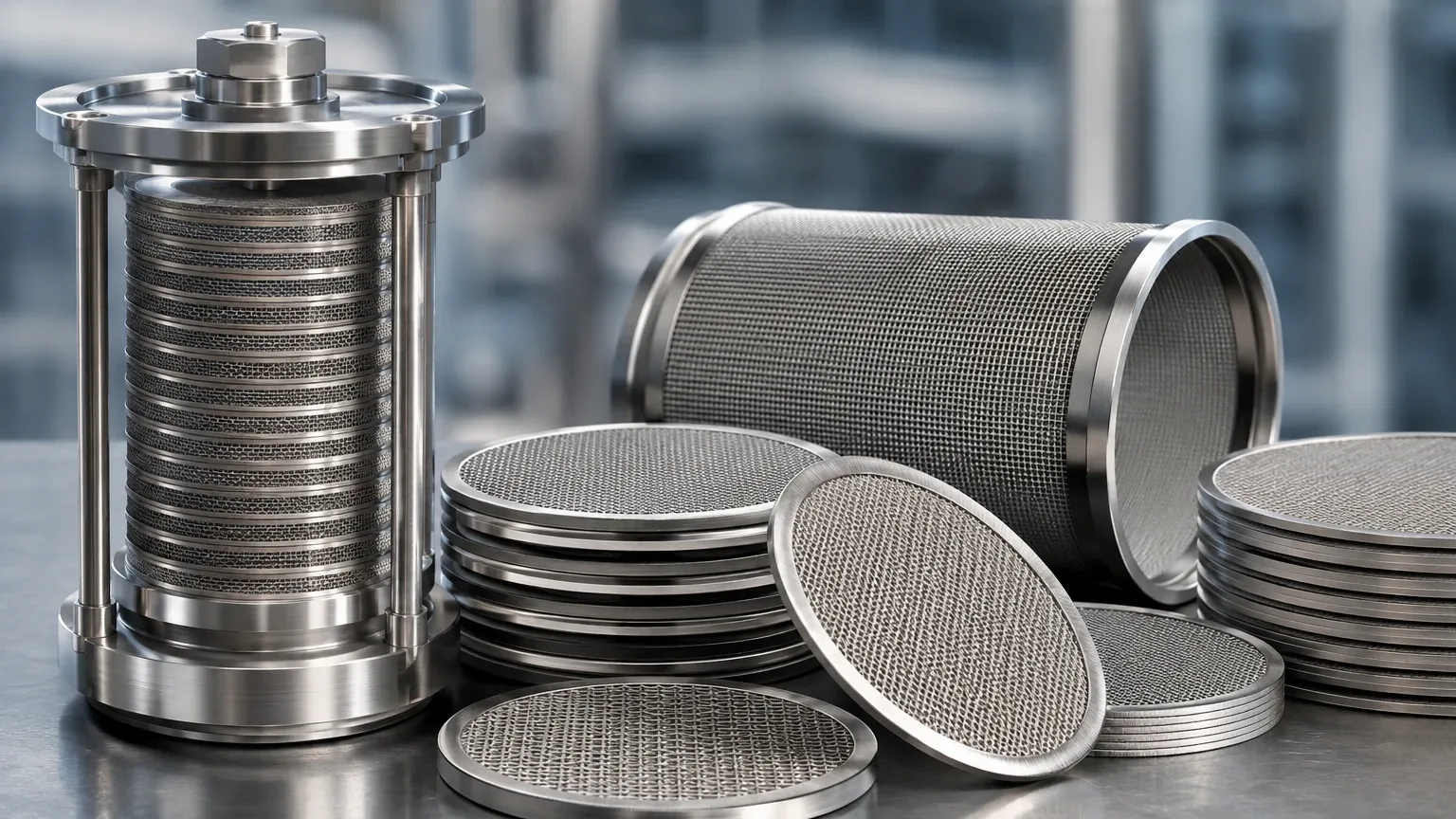
In the landscape of modern industrial processing, the transition from manual filtration to automated systems has become a necessity for maintaining operational efficiency and product consistency. The term "disc filter automat" refers to automated disc filtration systems designed to handle high-volume fluid streams with minimal human intervention. These systems rely on the precise engineering of internal components to ensure that solids are removed effectively while the system maintains its self-cleaning capabilities. At the core of these automated units are high-quality Filter Discs & Packs, which dictate the overall performance, micron rating, and durability of the entire filtration cycle.
For engineers and procurement professionals, understanding the synergy between the automated housing and the filter media is critical. An automated disc filter is only as reliable as the discs it contains. This article explores the technical considerations, material engineering, and selection criteria for the filtration components used within automated industrial systems.
The Mechanics of Automated Disc Filtration Systems
A disc filter automat typically operates using a stack of thin, grooved discs or multi-layered wire mesh packs compressed together. During the filtration phase, the fluid passes through the gaps between the discs or the pores of the mesh, trapping contaminants on the outer surface or within the depth of the stack.
The "automat" aspect refers to the system’s ability to detect a pressure differential (ΔP). When the accumulated debris reaches a specific threshold, the system triggers a backwash cycle. In many configurations, the stack of discs is released, and high-pressure water or air is forced through the media in the reverse direction, centrifugalizing the particles away from the filter surface. For this process to be successful over thousands of cycles, the filter discs must possess exceptional mechanical strength and fatigue resistance.
Material Engineering in Filter Discs & Packs
Material selection is the primary factor determining the lifespan of components in a disc filter automat. Because these systems are often used in corrosive chemical environments or high-temperature industrial processes, stainless steel is the industry standard. Kaifil specializes in utilizing advanced alloys to meet these demanding conditions.
Stainless Steel Grades
* 304 Stainless Steel: Suitable for general industrial applications where basic corrosion resistance is required, such as in standard water treatment or hydraulic fluid filtration.
* 316L Stainless Steel: The preferred choice for pharmaceutical, food and beverage, and chemical processing. The low carbon content and addition of molybdenum provide superior resistance to pitting and crevice corrosion, especially in chloride-rich environments.
* Specialty Alloys: For extreme conditions involving high acidity or specialized chemical solvents, alloys like Hastelloy or Monel may be used in the construction of wire mesh packs.
Construction Methods
The physical integrity of the disc is maintained through various assembly techniques. Multi-layer Filter Discs & Packs often utilize spot welding or full-perimeter welding to ensure the mesh layers do not shift under the high-pressure surges of a backwash cycle. In some automated systems, the discs are framed with aluminum or stainless steel rims to provide a rigid sealing surface, preventing bypass and ensuring that all fluid is forced through the filtration media.
Performance Evaluation for High-Volume Industrial Applications
When specifying components for a disc filter automat, engineers must evaluate several performance metrics to ensure the system meets the process requirements without excessive energy consumption or maintenance downtime.
Filtration Accuracy (Micron Rating)
The micron rating determines the size of particles the system will intercept. In automated systems, there is a delicate balance between fine filtration and backwash frequency. A mesh that is too fine for the application will lead to frequent cleaning cycles, increasing water/fluid waste and wear on the mechanical actuators. Conversely, a mesh that is too coarse will fail to protect downstream equipment. Common industrial ratings range from 5 microns for precision chemical polishing to 500 microns for raw water intake.
Pressure Drop and Flow Capacity
Every filter media introduces a pressure drop. In automated systems, the initial clean pressure drop must be low enough to allow for a significant accumulation of solids before the backwash trigger point is reached. High-porosity stainless steel wire mesh allows for high flow rates while maintaining a compact footprint within the filter housing.
Mechanical Fatigue Resistance
The backwash cycle in a disc filter automat involves rapid pressure changes. Filter packs must be engineered to withstand these fluctuations without deforming. Sintered wire mesh is often employed in these scenarios because the diffusion-bonding process locks the wires in place, providing a structural stability that standard woven mesh cannot match.
Customization for Integration into Disc Filter Automat Units
One of the challenges in industrial procurement is the lack of standardization across different brands of automated filter housings. Each manufacturer may require specific dimensions, center hole diameters, or thickness tolerances.
Customization is essential for ensuring a perfect fit within the "automat" assembly. Factors that are typically customized include:
* Layer Configuration: Combining different mesh counts (e.g., a fine filtration layer protected by coarse support layers) to optimize depth filtration.
* Geometric Precision: Precise outer and inner diameters to ensure the discs seat correctly on the central spine of the automated unit.
* Edge Treatments: Options such as hemmed edges, bound edges, or ultrasonic welding to prevent fraying and ensure safety during manual inspections.
By working with a manufacturer like Kaifil, engineering teams can develop bespoke Filter Discs & Packs that are drop-in replacements for OEM parts or custom-designed for new prototype filtration machinery.
Maintenance, Replacement, and Total Cost of Ownership
While a disc filter automat is designed to be self-cleaning, the filter media is still a consumable component that will eventually require replacement. The total cost of ownership (TCO) is influenced by the longevity of these discs.
Identifying the Replacement Cycle
Even with efficient backwashing, certain types of contaminants—such as oils, biological films, or calcium scale—can become permanently lodged in the mesh. This is known as "irreversible fouling." When the pressure differential remains high even after a backwash cycle, it is an indication that the filter discs need to be removed for ultrasonic cleaning or replaced entirely.
Quality vs. Cost
Lower-quality filter discs may save on initial procurement costs but often lead to higher TCO due to:
1. Frequent Failures: Poor welding or low-grade wire can lead to mesh breakage, allowing contaminants to bypass the filter and damage downstream pumps or valves.
2. Inefficient Cleaning: Inconsistent mesh openings can trap particles more aggressively, leading to more frequent backwash cycles and higher utility costs (water/compressed air).
3. Corrosion: If the stainless steel grade is not as specified, premature rusting can contaminate the process fluid.
Selecting the Right Filter for Specific Industrial Media
The application dictates the engineering requirements of the disc filter automat.
* Chemical Processing: Requires high resistance to aggressive solvents and precise micron ratings to ensure the purity of the final product. 316L stainless steel is typically the minimum requirement.
* Food and Beverage: Filtration components must meet stringent hygiene standards. Smooth surface finishes and the absence of crevices (where bacteria could grow) are paramount. Material traceability is often required for compliance.
* Hydraulic Systems: These systems operate under extreme pressures. The filter packs must have high collapse strength to prevent structural failure during sudden pressure spikes.
* Water Treatment: Often deals with high volumes of organic matter. The discs must be designed for efficient surface filtration to allow the backwash cycle to easily strip away algae and silt.
Technical Consultation and Procurement
Selecting the appropriate components for a disc filter automat involves a deep dive into the fluid dynamics and chemical properties of the application. Engineers should confirm the specific flow rates, operating temperatures, and particle characteristics before finalizing a design.
Kaifil provides technical support to help organizations navigate these variables. By focusing on precision manufacturing and high-grade materials, we ensure that your automated filtration systems operate at peak efficiency with reduced maintenance intervals. For detailed specifications on material options, mesh configurations, and custom sizing, professionals are encouraged to Review product options and application support to find the optimal solution for their industrial filtration challenges.
