


Filter Replacement Whirlpool
In industrial processing, the efficiency of centrifugal separation and fluid clarification often hinges on the integrity of the filtration components integrated into the system. For facilities utilizing whirlpool vessels—common in brewing, food processing, and chemical separation—maintaining the purity of the effluent stream is a critical operational requirement. The process of filter replacement whirlpool systems requires a deep understanding of fluid dynamics, material compatibility, and the structural limitations of the filter media employed.
When a whirlpool system operates, it relies on tangential entry to create a vortex, forcing solids toward the center while clarified liquid is drawn from the periphery. However, the secondary filtration stage, often utilizing high-performance Filter Cartridges, is what ensures the final product meets stringent micron-level specifications. Timely replacement and the selection of appropriate filter media are essential to prevent downstream contamination and equipment wear.
The Role of Filtration in Industrial Whirlpool Systems
Whirlpool systems are designed to handle high solids loading, but they are rarely the final stage in a precision process. In applications such as wort clarification in breweries or sludge removal in industrial wastewater treatment, the whirlpool acts as a primary separator. The liquid exiting this stage still contains fine particulates that can foul heat exchangers, clog spray nozzles, or compromise product quality.
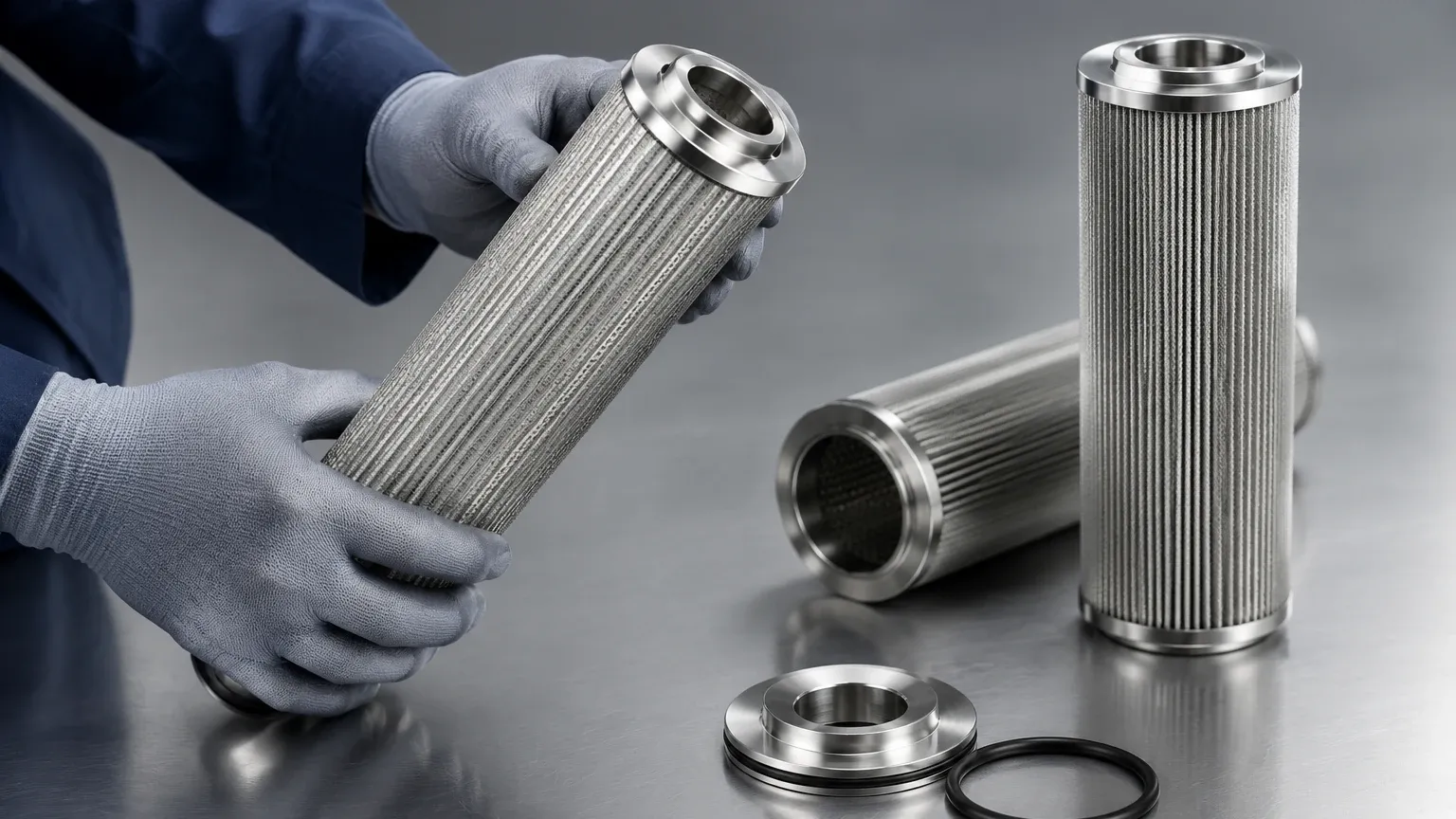
Industrial filter cartridges are installed in the discharge lines or recirculation loops of these systems to capture the remaining suspended solids. Unlike consumer-grade applications, industrial whirlpool filtration demands components that can withstand high temperatures, aggressive chemical cleaning cycles (CIP), and significant pressure differentials. When engineers discuss filter replacement whirlpool protocols, they are focusing on the transition from the bulk separation phase to the precision polishing phase.
Identifying the Need for Filter Replacement in Whirlpool Applications
Determining the optimal interval for filter replacement is a balance between operational uptime and the risk of bypass or structural failure. In a B2B environment, relying on a fixed schedule is often less efficient than monitoring key performance indicators (KPIs). Engineers should evaluate the following criteria to determine if a replacement is necessary:
1. Terminal Pressure Differential (ΔP)
Every filtration system has a clean pressure drop and a maximum allowable terminal pressure drop. As particulates accumulate on the surface of the filter cartridges, the resistance to flow increases. Once the ΔP reaches a predetermined threshold—often between 15 and 25 psi depending on the housing design—the filter is considered blinded. Continuing operation beyond this point risks media migration or a complete collapse of the filter element.
2. Flow Rate Degradation
In constant-pressure systems, a noticeable decrease in the flow rate exiting the whirlpool vessel indicates that the filter media is saturated. This can lead to longer processing times, increased energy consumption by pumps, and potential disruptions in the production timeline.
3. Particulate Breakthrough
For critical applications, downstream turbidity sensors or periodic sampling may reveal the presence of solids that should have been captured. Breakthrough often occurs due to seal failure, bypass caused by improper installation, or structural damage to the filter mesh from hydraulic shock.
Engineering Advantages of Stainless Steel Filter Cartridges
For industrial whirlpool applications, stainless steel is often the material of choice over disposable polymer filters. Kaifil specializes in manufacturing custom stainless steel filtration solutions that offer several technical advantages in demanding environments.
* Thermal Stability: Industrial whirlpools often operate at elevated temperatures (e.g., 80°C to 100°C in brewing). Stainless steel maintains its structural integrity at temperatures that would cause synthetic fibers to soften or leach surfactants.
* Chemical Resistance: The use of caustic soda, nitric acid, or other aggressive cleaning agents in Clean-in-Place (CIP) cycles requires a filter that will not corrode. 304 and 316L stainless steel provide the necessary resistance to ensure a long service life.
* Cleanability and Reusability: Unlike disposable depth filters, stainless steel wire mesh and sintered metal cartridges can be backwashed, ultrasonically cleaned, or chemically regenerated. This significantly reduces the long-term cost of filter replacement whirlpool maintenance.
* Mechanical Strength: High-viscosity fluids or high-flow whirlpool discharges can exert significant mechanical stress. The rigid structure of a metal filter cartridge prevents pleat bunching and ensures consistent filtration accuracy.
Technical Selection Criteria for Replacement Filters
When selecting a replacement for a whirlpool system, engineers must look beyond basic dimensions. A successful filter replacement requires matching the component to the specific fluid properties and process conditions.
Micron Rating: Absolute vs. Nominal
It is vital to distinguish between nominal and absolute micron ratings. A nominal rating indicates the filter's ability to retain a majority of particles at a certain size, whereas an absolute rating (often defined as Beta 5000 or 99.9% efficiency) guarantees that no particles larger than the specified size will pass. For whirlpool systems protecting sensitive downstream equipment, absolute-rated stainless steel mesh is recommended.
Effective Filtration Area (EFA)
Increasing the EFA through pleated designs allows for higher flow rates and lower initial pressure drops. This extends the time between cleaning or replacement cycles, improving the overall efficiency of the whirlpool operation.
Seal and End Cap Configuration
Compatibility with existing filter housings is paramount. Common configurations include Double Open End (DOE), Code 7 (226 O-ring with locking tabs), and Code 3 (222 O-ring). The seal material—whether EPDM, Viton, or PTFE—must be chosen based on the chemical composition and temperature of the process fluid.
Step-by-Step Replacement and Maintenance Procedures
Performing a filter replacement whirlpool procedure in an industrial setting requires adherence to safety and hygiene protocols. The following steps outline a professional approach to replacing metal filter cartridges:
1. System Isolation: Ensure the whirlpool discharge line is depressurized and isolated from the main flow using block-and-bleed valves. Proper Lockout/Tagout (LOTO) procedures must be followed.
2. Drainage and Venting: Open the housing vent and drain valves to remove residual fluid. This is particularly important if handling hot or hazardous liquids.
3. Inspection of the Housing: Once the housing is opened, inspect the interior surfaces for signs of corrosion or sediment buildup. Check the integrity of the tube sheet and the sealing surfaces.
4. Removal of the Spent Cartridge: Carefully remove the used filter. If the filter is stainless steel, it should be moved to a cleaning station for regeneration. If it is a disposable element, it should be disposed of according to local environmental regulations.
5. Installation of the New Filter: Lubricate the O-rings with a process-compatible lubricant (if allowed) and seat the new Filter Cartridges firmly into the housing. Ensure that any hold-down plates or springs are correctly positioned to prevent bypass.
6. Sealing and Testing: Close the housing and gradually reintroduce flow. Check for leaks and monitor the initial pressure drop to ensure the system is operating within the design parameters.
Optimizing Total Cost of Ownership through Custom Solutions
While the initial cost of a stainless steel filter may be higher than a synthetic alternative, the Total Cost of Ownership (TCO) is often much lower in industrial whirlpool applications. By reducing the frequency of filter replacement whirlpool tasks, facilities save on labor, disposal costs, and downtime.
Customization plays a significant role in optimization. At Kaifil, we work with engineers to design filtration components that address specific pain points, such as premature fouling or insufficient flow. Customizations can include:
* Reinforced Cores: For systems prone to pressure spikes.
* Multi-Layer Sintered Mesh: Combining different mesh counts to provide both pre-filtration and fine filtration in a single element.
* Custom Lengths and Diameters: To retrofit older whirlpool systems where standard-sized filters are no longer available or efficient.
By focusing on the engineering requirements of the specific application, purchasing teams can move away from generic replacements and toward high-performance solutions that enhance the longevity of the entire whirlpool system.
Conclusion
Effective filter replacement whirlpool management is more than a routine maintenance task; it is a critical component of industrial process control. By selecting high-quality stainless steel filter cartridges and monitoring performance metrics like pressure differential and flow rate, engineers can ensure consistent product quality and operational efficiency. Whether you are managing a brewery whirlpool or a complex chemical separation process, the choice of filtration media will ultimately determine the reliability of your system. For those seeking durable, high-precision alternatives to standard filters, exploring customized metal filtration solutions offers a path toward reduced downtime and superior performance.
