


40 Mm Nato Filter Cartridges
In the landscape of industrial safety and specialized filtration, the 40 mm NATO thread—formally designated under the EN 148-1 standard—represents one of the most critical specifications for respiratory protection and modular filtration systems. Known technically as the RD40 (Round Thread 40mm) connection, this interface ensures that filter canisters and cartridges are cross-compatible with a wide range of industrial respirators, blowers, and stationary filtration units. For procurement teams and safety engineers, understanding the technical nuances of 40 mm NATO filter cartridges is essential for maintaining compliance, ensuring operator safety, and optimizing the service life of filtration hardware.
Industrial filtration requirements often exceed the capabilities of standard consumer-grade equipment. In environments involving volatile organic compounds (VOCs), acid gases, or hazardous particulates, the selection of Filter Cartridges must be guided by precise engineering data rather than generic marketing claims. This guide explores the technical foundations of the 40 mm NATO standard, the material science behind the filtration media, and the critical factors that influence performance in demanding industrial applications.
The Engineering of the RD40 Standard
The 40 mm NATO filter cartridge is defined by its threading: a 40mm diameter with a pitch of 1/7 of an inch. This specific geometry was developed to provide a secure, airtight seal that can be engaged quickly even in high-stress environments. Unlike bayonet-style mounts, which vary significantly between manufacturers, the RD40 thread is a universal standard. This universality allows industrial facilities to maintain a streamlined inventory of cartridges that are compatible with various brands of full-face masks and Powered Air Purifying Respirators (PAPRs).
From a manufacturing perspective, the integrity of the thread is paramount. Precision-machined or high-tolerance molded threads prevent cross-threading, which is a common failure point in high-vibration or heavy-duty industrial settings. When integrating these cartridges into custom industrial systems, engineers must ensure that the female receiver matches the EN 148-1 specifications to maintain the certified protection factor of the system.
Core Filtration Technologies and Media
40 mm NATO filter cartridges are typically categorized by the type of hazards they are designed to mitigate. The internal architecture of these cartridges often utilizes a multi-stage approach to filtration:
1. Particulate Filtration
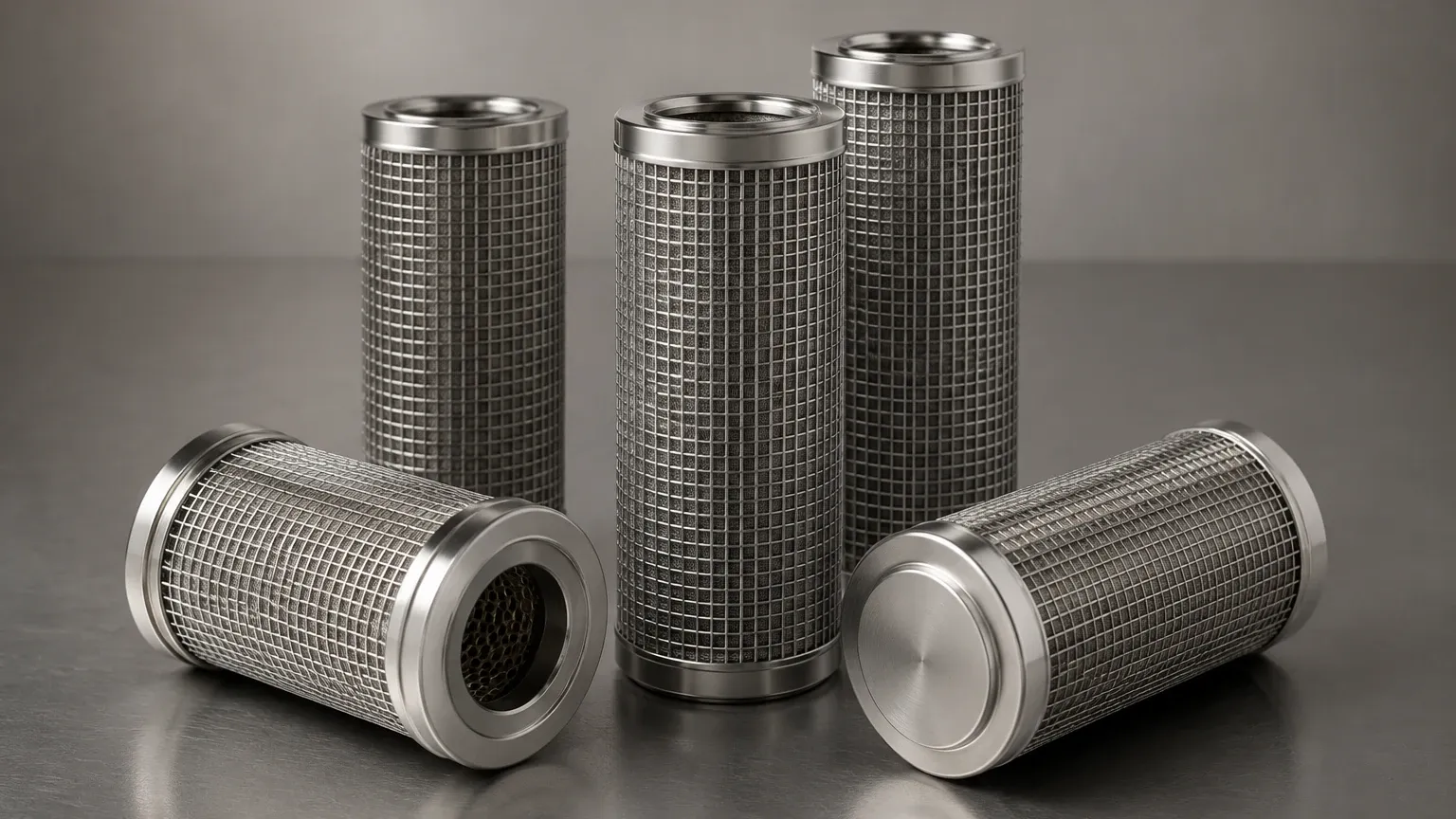
High-efficiency particulate air (HEPA) media, often rated as P100 or P3, is used to capture solid and liquid aerosols. In industrial settings, these filters are tested against specific particle sizes, typically 0.3 microns, with a required efficiency of 99.97% or higher. For applications involving heavy dust loads or metallic sparks, a stainless steel wire mesh pre-filter may be integrated to protect the delicate HEPA pleats from physical damage or premature clogging.
2. Gas and Vapor Adsorption
For chemical hazards, cartridges utilize activated carbon. This carbon is often "impregnated" with specific chemical reagents to enhance its ability to neutralize specific gases through chemisorption. For example, carbon treated with copper and silver salts is effective against ammonia and acid gases. The depth and density of the carbon bed within the 40 mm NATO housing determine the "breakthrough time"—the duration the filter can be used before the chemical concentration on the downstream side reaches a hazardous level.
3. Combined Protection
Many industrial 40 mm NATO cartridges are "multi-gas" or "CBRN" (Chemical, Biological, Radiological, and Nuclear) rated. These combine a pleated particulate layer with a thick bed of impregnated carbon. While these offer the broadest protection, they also present the highest breathing resistance (pressure drop), which must be factored into the selection of the primary air-moving device, whether it is human lungs or a motorized blower.
Material Selection for Industrial Durability
While the internal media performs the filtration, the external housing and structural components dictate the cartridge's durability in harsh environments. Standard 40 mm NATO cartridges often use high-impact polymers, but specialized industrial variants may utilize metal housings for specific reasons:
* Chemical Resistance: Certain solvents can degrade plastic housings over time. Stainless steel or aluminum housings provide superior resistance to chemical permeation and environmental stress cracking.
* Thermal Stability: In high-temperature industrial processes, such as metal smelting or glass manufacturing, the filter housing must maintain its structural integrity and seal. Metal components are less prone to thermal deformation than plastics.
* Mechanical Strength: In heavy industrial sectors like mining or large-scale construction, cartridges are subject to physical impact. A ruggedized housing ensures that the internal filtration media remains seated and that the seal is not compromised by a drop or strike.
Kaifil specializes in providing the precision metal components and wire mesh structures that support these high-performance filtration needs. By utilizing advanced manufacturing techniques, manufacturers can ensure that the internal support structures of Filter Cartridges remain stable even under high pressure or flow rates.
Performance Evaluation and Selection Criteria
When specifying 40 mm NATO filter cartridges for an industrial facility, engineers should evaluate the following technical parameters:
Pressure Drop (Resistance)
Pressure drop is the difference in air pressure between the upstream and downstream sides of the filter. A high pressure drop increases the work of breathing for the user or requires more power from a PAPR system. Engineers must balance the need for high filtration efficiency (which usually increases resistance) with the operational requirements of the equipment. This is typically measured in millimeters of water (mmH2O) or Pascals (Pa) at a specific flow rate (e.g., 85 liters per minute).
Breakthrough Time and Capacity
For gas-phase filtration, the capacity of the cartridge is finite. Manufacturers provide breakthrough curves based on specific concentrations of challenge gases (like Cyclohexane or Chlorine). In a B2B procurement context, it is vital to match the cartridge's capacity to the specific concentrations found in the workplace. Over-specifying can lead to unnecessary costs, while under-specifying compromises safety.
Shelf Life and Storage Conditions
40 mm NATO cartridges, especially those containing activated carbon, have a defined shelf life—typically 5 to 10 years if the original vacuum seal is intact. Industrial purchasers must implement a robust inventory rotation system (First-In, First-Out) and ensure storage in a temperature-controlled, low-humidity environment. Once the seal is broken, the carbon begins to adsorb moisture and ambient contaminants, rapidly reducing its effective service life.
Customization and OEM Solutions
Many industrial applications require filtration solutions that do not fit the standard "off-the-shelf" profiles. This is where OEM and customization capabilities become essential. For example, a facility might require a 40 mm NATO-compatible cartridge with a specific micron-rated stainless steel mesh for pre-filtering oil mists before they reach a carbon bed.
Customization options often include:
* Specific Micron Ratings: Tailoring the wire mesh or synthetic media to target specific particle size distributions.
* Housing Materials: Selecting between different grades of stainless steel (e.g., 304 vs. 316L) for corrosive environments.
* Form Factor Modifications: While the 40 mm thread remains standard, the height or diameter of the canister can sometimes be adjusted to fit within specific equipment enclosures without sacrificing filtration area.
Working with a manufacturer like Kaifil allows for the development of these specialized components, ensuring that the filtration system meets the exact demands of the application rather than forcing a compromise with standard equipment.
Total Cost of Ownership (TCO) Considerations
In a B2B environment, the purchase price of a filter cartridge is only one component of the total cost. Engineers and purchasing managers should also consider:
1. Replacement Frequency: A higher-quality cartridge with a larger surface area or better media density may have a higher unit cost but a significantly longer service life, reducing labor costs and downtime associated with frequent changes.
2. Disposal Costs: Cartridges that have adsorbed hazardous chemicals must be disposed of as hazardous waste. Selecting a cartridge that maximizes capacity can reduce the volume of waste generated.
3. Equipment Longevity: Using high-quality, precision-threaded cartridges reduces wear on the expensive masks and blowers they are attached to, extending the life of the primary safety equipment.
Conclusion
40 mm NATO filter cartridges are a cornerstone of industrial respiratory protection and modular gas filtration. Their reliance on the EN 148-1 standard provides a reliable framework for interoperability, but the true value lies in the engineering of the media and the durability of the housing. For industrial professionals, the selection process must be a data-driven exercise that accounts for chemical compatibility, pressure drop, and the specific hazards of the work environment.
Whether you are managing a large-scale chemical processing plant or designing a specialized industrial venting system, choosing the right Filter Cartridges is a critical decision for both safety and operational efficiency. By focusing on technical specifications and seeking out manufacturers with the expertise to provide high-quality metal components and customized solutions, organizations can ensure they are protected by the best available filtration technology.
