


Cartridge Filter 73111
In the landscape of industrial filtration, specific part numbers often represent more than just a component; they signify a standard of performance required for critical machinery. The cartridge filter 73111 is a specialized filtration element frequently utilized in hydraulic systems, industrial machinery, and fluid processing environments where reliability is non-negotiable. For engineers and procurement teams, understanding the technical nuances of this specific filter model—and the broader category of Filter Cartridges it belongs to—is essential for maintaining system integrity and optimizing operational costs.
Industrial filtration is a balance of efficiency, pressure management, and material compatibility. When a system specifies a cartridge filter 73111, it is usually because the equipment demands a precise micron rating and structural durability to withstand specific flow rates and differential pressures. This article examines the technical specifications, engineering considerations, and selection criteria associated with the 73111 model and high-performance metal filtration alternatives.
Technical Specifications of the Cartridge Filter 73111
The 73111 designation typically refers to a cartridge designed for medium-to-high pressure applications. While different manufacturers may use variations of this nomenclature, the core engineering requirements remain consistent across industrial standards. These filters are characterized by their physical dimensions, media type, and end-cap configurations.
Media Composition
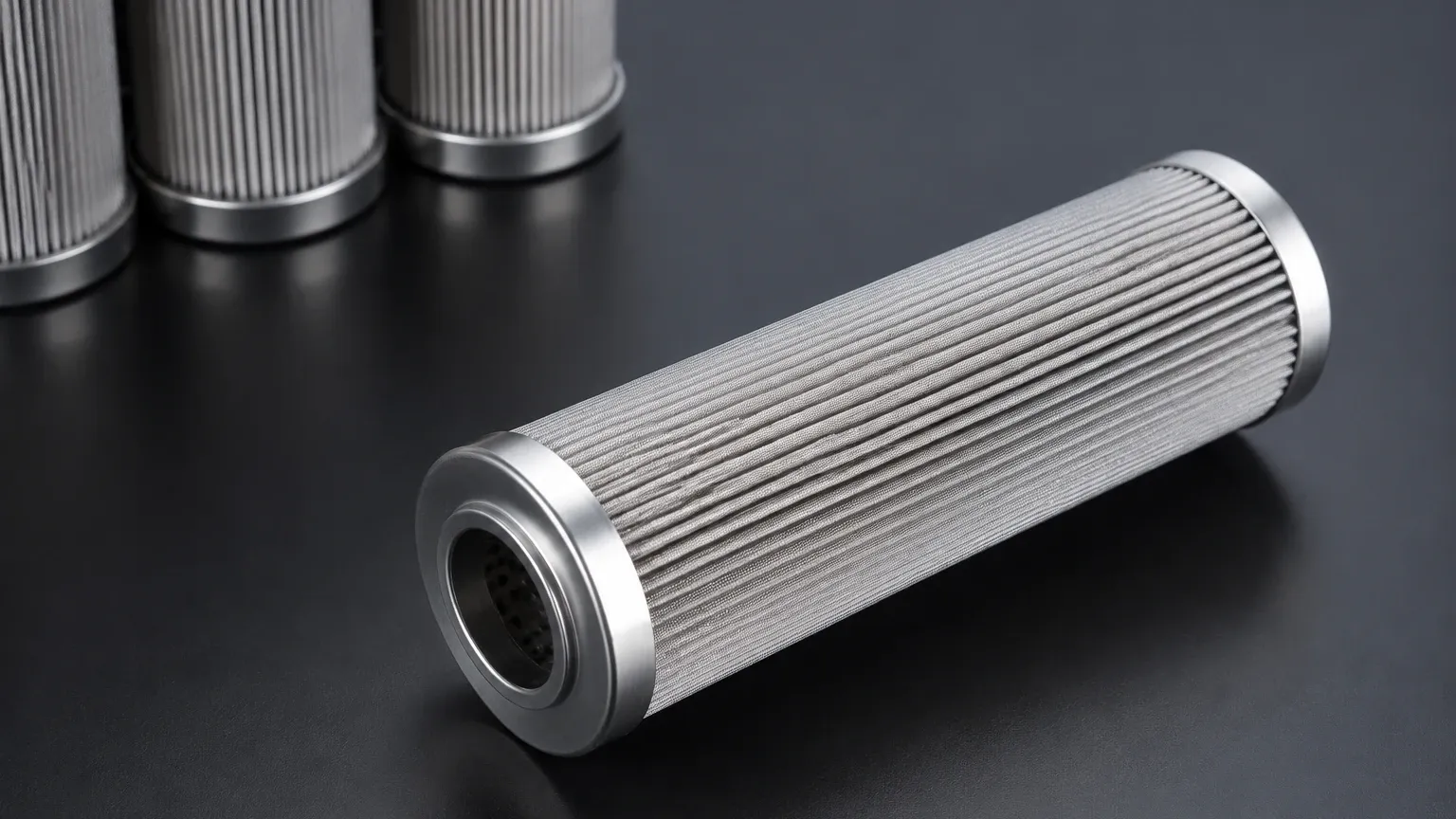
Most standard 73111 filters utilize either a synthetic fiber media or a precision-woven wire mesh. In demanding industrial environments, stainless steel wire mesh is often preferred due to its thermal stability and chemical resistance. The media is typically pleated to maximize the surface area, which directly impacts the dirt-holding capacity and the interval between maintenance cycles.
Micron Ratings and Efficiency
Filtration accuracy for the 73111 model often ranges from 5 to 25 microns, depending on whether the application requires absolute or nominal filtration. For hydraulic systems, an absolute rating is critical to prevent particulate matter from damaging sensitive valves and pumps. Nominal ratings may suffice for pre-filtration stages where the primary goal is to remove larger contaminants before they reach finer downstream elements.
Structural Integrity
Because these cartridges often operate under significant pressure, the internal support core must be robust. A perforated stainless steel or plated steel core prevents the media from collapsing under high differential pressure ($ΔP$). The end caps, often bonded with high-strength adhesives or welded in the case of all-metal designs, ensures that fluid cannot bypass the filtration media.
Engineering Considerations for Filter Selection
When replacing a cartridge filter 73111 or integrating it into a new system design, engineers must look beyond the part number to evaluate the actual performance requirements of the application. The goal is to achieve the desired fluid cleanliness without introducing excessive flow resistance.
Differential Pressure and Flow Rate
The relationship between flow rate and pressure drop is a primary concern. Every filter introduces a degree of resistance. As the cartridge filter 73111 captures contaminants, the $ΔP$ increases. Engineers must select a filter that provides a low initial pressure drop to ensure that the system pump operates within its efficient range. If the initial $ΔP$ is too high, the service life of the cartridge will be prematurely shortened.
Chemical and Thermal Compatibility
In chemical processing or high-temperature hydraulic applications, the material of the filter media and seals is paramount. While standard synthetic media might fail at elevated temperatures or degrade when exposed to aggressive solvents, stainless steel Filter Cartridges offer a resilient alternative. Utilizing 304 or 316L stainless steel ensures that the 73111-style filter can withstand temperatures exceeding 200°C and resist corrosion from a wide array of industrial fluids.
Viscosity Considerations
The viscosity of the fluid being filtered significantly impacts the performance of the cartridge filter 73111. High-viscosity fluids, such as heavy lubricating oils or polymers, require larger surface areas or coarser mesh to maintain acceptable flow rates. Engineers must adjust their selection based on the operating temperature, as fluid viscosity changes with thermal fluctuations.
Common Risks and Failure Modes in Industrial Filtration
Failure to select the correct cartridge or neglecting maintenance schedules can lead to catastrophic system failures. Understanding the common risks associated with the cartridge filter 73111 helps in developing a proactive maintenance strategy.
Media Migration and Shedding
In lower-quality filters, the media itself can sometimes break down and enter the downstream flow. This is known as media migration. For critical applications like pharmaceutical or food processing, this is unacceptable. High-quality stainless steel mesh filters eliminate this risk by using sintered or securely woven wires that do not shed fibers.
Channeling and Bypass
Channeling occurs when the fluid finds a path of least resistance through the media, often due to a breach in the pleats or a failure in the end-cap seal. This allows unfiltered fluid to pass through the system. Similarly, if the bypass valve in the filter housing is set too low, or if the filter is clogged, the system may bypass the cartridge filter 73111 entirely to protect the pump, resulting in contaminated fluid circulating through the machinery.
Structural Collapse
If a filter is left in service past its maximum $ΔP$ rating, the pressure differential can become so great that the internal core or the media itself collapses. This not only stops filtration but can also release a large slug of captured contaminants and metal fragments into the system, causing extensive damage to downstream components.
The Advantages of Custom Stainless Steel Filter Cartridges
While standard off-the-shelf versions of the cartridge filter 73111 are available, many industrial applications benefit from customized stainless steel solutions. Customization allows for the optimization of the filter to the specific environmental conditions of the plant.
Reusability and Cleanability
One of the most significant advantages of stainless steel Filter Cartridges is that they are often cleanable and reusable. Unlike disposable synthetic filters that must be discarded after a single use, metal mesh cartridges can be cleaned via ultrasonic baths, backwashing, or chemical cleaning. This reduces the long-term waste and the recurring cost of purchasing new elements.
Enhanced Durability
In environments with high vibration or frequent pressure surges, the mechanical strength of a custom-engineered metal filter is superior. By utilizing thicker gauge support cores and reinforced outer cages, a custom 73111-compatible filter can provide a much higher level of security than a standard consumer-grade part.
Precision Customization
OEM manufacturers can tailor the micron rating and the weaving pattern (such as plain weave, twill weave, or Dutch weave) to meet exact filtration targets. This level of precision ensures that the cartridge filter 73111 performs exactly as needed for the specific particle size distribution present in the process fluid.
Total Cost of Ownership (TCO) Analysis
For purchasing departments, the initial price of a cartridge filter 73111 is only one part of the financial equation. A comprehensive Total Cost of Ownership (TCO) analysis considers the following factors:
1. Purchase Price: The upfront cost of the filter element.
2. Replacement Frequency: How often the filter must be changed, which is dictated by its dirt-holding capacity and the cleanliness of the incoming fluid.
3. Labor Costs: The time required for maintenance personnel to change the filters and the associated downtime of the machinery.
4. Disposal Costs: The expense and environmental impact of disposing of used, contaminated filter elements.
5. System Health: The potential cost of repairs to downstream equipment if the filter fails to perform adequately.
By investing in high-quality, potentially reusable stainless steel Filter Cartridges, many facilities find that while the initial investment is higher, the TCO over a 2-to-5-year period is significantly lower due to reduced replacement cycles and better protection of expensive system components.
Maintenance Best Practices for 73111 Filters
To maximize the lifespan and effectiveness of the cartridge filter 73111, a structured maintenance program should be implemented. This includes regular monitoring and standardized replacement procedures.
Monitoring Differential Pressure
The most effective way to determine when a filter needs attention is by monitoring the $ΔP$ across the housing. Installing differential pressure gauges or electronic sensors allows operators to see the real-time status of the filter. Replacement or cleaning should occur before the pressure reaches the manufacturer's recommended limit to prevent bypass or collapse.
Proper Installation Techniques
When installing a new cartridge filter 73111, it is vital to ensure that the seals (O-rings or gaskets) are in good condition and properly seated. Lubricating the seals with a compatible fluid can prevent tearing during installation. Hand-tightening is often sufficient for many housings, as over-tightening can damage the end caps or the housing threads.
Fluid Sampling and Analysis
Regular fluid analysis can provide insights into the health of the filtration system. If an analysis shows an unexpected increase in particulate matter, it may indicate that the cartridge filter 73111 has been bypassed or that the media has failed. This proactive approach allows for troubleshooting before a major mechanical failure occurs.
Conclusion
The cartridge filter 73111 is a critical component in many industrial fluid systems, demanding a clear understanding of its technical specifications and performance limits. Whether sourcing standard replacements or seeking the enhanced durability of custom stainless steel Filter Cartridges, engineers must prioritize material compatibility, flow efficiency, and structural integrity. By selecting the right filtration solution and adhering to rigorous maintenance standards, industrial operations can ensure the longevity of their machinery and the consistency of their production processes.
