


Spargers
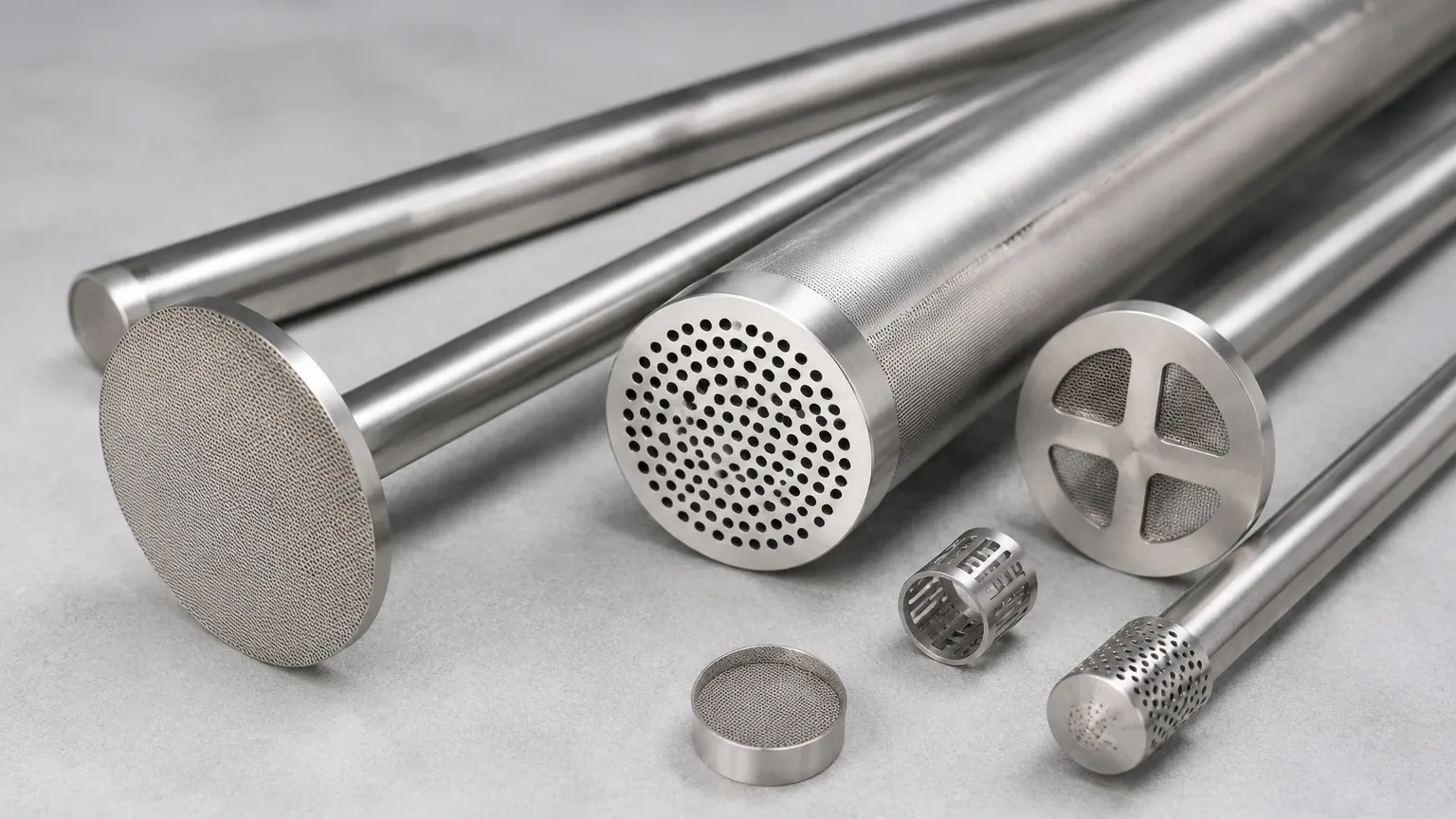
In industrial process engineering, the efficient introduction of gas into a liquid medium is a critical requirement for a wide range of chemical, biological, and mechanical operations. Spargers are the specialized components designed to achieve this gas-liquid mass transfer. Unlike simple drilled pipes, high-performance industrial spargers utilize advanced materials and precise pore structures to maximize the surface area of the gas, thereby increasing the rate of absorption or reaction. For engineers and procurement teams, selecting the correct sparging technology is essential for optimizing process efficiency, reducing gas consumption, and ensuring the longevity of the equipment in demanding environments.
The Engineering Principles of Gas Diffusion and Mass Transfer
The fundamental goal of any sparging system is to maximize the gas-liquid interface. According to the principles of mass transfer, the rate at which a gas dissolves into a liquid is directly proportional to the total surface area of the gas bubbles. This is where the distinction between coarse and fine sparging becomes critical.
Standard pipe spargers with drilled holes typically produce large bubbles. These bubbles have a low surface-area-to-volume ratio and rise quickly through the liquid column due to high buoyancy, resulting in limited contact time and poor gas utilization. In contrast, porous metal spargers—often manufactured from sintered stainless steel—create millions of microscopic bubbles. These "micro-bubbles" significantly increase the total surface area for the same volume of gas. Because smaller bubbles have lower buoyancy, they remain in the liquid for a longer duration, further enhancing the mass transfer efficiency.
When evaluating a sparger for a specific application, engineers must consider the Oxygen Transfer Rate (OTR) or the specific gas transfer rate required by the process. Factors such as liquid viscosity, surface tension, and the presence of surfactants will all influence the final bubble size and the overall effectiveness of the Main Page components integrated into the system.
Technical Advantages of Sintered Stainless Steel Spargers
For most B2B industrial applications, sintered stainless steel is the material of choice for sparger construction. This preference is driven by several technical advantages that directly impact the performance and reliability of the filtration and diffusion system.
Precise Pore Size Distribution
Through advanced manufacturing processes, sintered metal spargers can be produced with highly controlled pore sizes, ranging from 0.5 microns to 100 microns. This precision allows engineers to tailor the bubble size to the specific requirements of the fluid. For example, in fermentation processes where oxygen uptake is the limiting factor, a 0.5-micron or 2-micron sparger is often employed to create the finest possible mist of bubbles.
Structural Integrity and Pressure Resistance
Unlike ceramic or plastic alternatives, stainless steel spargers offer superior mechanical strength. They can withstand high differential pressures and are resistant to mechanical shock. This is particularly important in high-pressure reactors or systems where rapid pressure fluctuations occur. The robust nature of the metal ensures that the pore structure remains stable over time, preventing "pore growth" or deformation that would compromise bubble consistency.
Thermal and Chemical Stability
Industrial processes often involve aggressive chemicals or extreme temperatures. Sintered 316L stainless steel provides excellent corrosion resistance against a wide variety of process fluids. Furthermore, these components can operate effectively at temperatures exceeding 400°C (depending on the atmosphere), making them suitable for steam stripping or high-temperature chemical synthesis where polymer-based spargers would fail.
Key Industrial Applications for Sparging Technology
Spargers are utilized across diverse sectors, each with unique requirements for gas-liquid interaction. Understanding these applications helps in selecting the right configuration and micron rating.
Bioprocessing and Fermentation
In the pharmaceutical and biotech industries, spargers are used to deliver oxygen to aerobic microorganisms or cell cultures in bioreactors. Precise control over the dissolved oxygen (DO) levels is vital for cell viability and product yield. Sintered spargers are preferred here because they provide the high OTR necessary for high-density cultures while minimizing the shear stress that large bubbles or high-velocity gas streams might impose on sensitive cells.
Food and Beverage Carbonation
Carbonation is perhaps the most well-known application of sparging. By using fine-pore spargers, beverage manufacturers can achieve rapid and uniform CO2 saturation in water, beer, or soft drinks. Beyond carbonation, nitrogen sparging is frequently used to remove dissolved oxygen from juices and oils, preventing oxidation and extending shelf life.
Chemical Synthesis and Hydrogenation
In chemical manufacturing, spargers introduce gaseous reactants into liquid catalysts or precursors. Hydrogenation, oxidation, and chlorination processes rely on the efficient distribution of gas to ensure complete reactions and minimize the formation of byproducts. The ability of stainless steel spargers to withstand aggressive solvents and high temperatures is a decisive factor in these environments.
Water Treatment and Aeration
Spargers play a role in ozone injection for water purification and aeration in industrial wastewater treatment. Fine bubble aeration reduces the energy required to maintain dissolved oxygen levels in aerobic digesters, leading to significant operational cost savings over the life of the plant.
Design Considerations: Micron Rating and Flow Dynamics
Selecting a sparger involves more than just picking a material; it requires a detailed analysis of the flow dynamics within the vessel. Engineers must balance the desired bubble size with the allowable pressure drop across the sparger element.
1. Micron Rating Selection: A smaller micron rating produces smaller bubbles but requires a higher "bubble point" pressure to initiate flow. It also increases the pressure drop across the element. Engineers must ensure that the gas supply system can provide sufficient pressure to overcome both the hydrostatic head of the liquid and the resistance of the porous media.
2. Exit Velocity: To prevent the coalescence of bubbles at the surface of the sparger, the exit velocity of the gas must be carefully managed. If the gas flow is too high, the small bubbles will merge into larger ones immediately upon exit, negating the benefits of the fine-pore structure.
3. Geometry and Placement: The physical shape of the sparger—whether it is a single element, a ring sparger, or a manifold system—must be designed to suit the tank geometry. In stirred-tank reactors, the sparger is typically placed below the bottom impeller to allow the mechanical shear of the blades to further break down and distribute the gas bubbles.
Maintenance, Cleaning, and Longevity
One of the primary concerns for maintenance teams is the potential for fouling. Because spargers have microscopic pores, they can become clogged by particulates in the gas stream or by precipitates and biological growth from the liquid side.
To maintain performance, a regular cleaning regimen is necessary. Sintered metal spargers are highly compatible with Clean-in-Place (CIP) and Sterilization-in-Place (SIP) procedures. They can be cleaned using:
* Backpulsing: Reversing the flow of gas or liquid to dislodge particles from the pores.
* Chemical Cleaning: Using acids, caustics, or specialized detergents to dissolve organic or inorganic deposits.
* Ultrasonic Cleaning: Removing deeply embedded contaminants by immersing the element in an ultrasonic bath.
Because stainless steel is durable, these elements can be cleaned and reused many times, offering a lower total cost of ownership compared to disposable plastic components or fragile ceramic diffusers.
Critical Information for Procurement and Specification
Before finalizing a sparger design or purchase, technical teams should confirm several key parameters to ensure the component is fit for purpose. At Kaifil, we emphasize the importance of these factual boundaries to prevent operational failures:
* Gas and Liquid Properties: Confirm the density, viscosity, and surface tension of the liquid, as well as the type of gas being introduced.
* Operating Pressure and Temperature: Define the maximum and minimum values for both the gas feed and the reactor environment.
* Required Gas Flow Rate: Specify the flow in standard cubic feet per minute (SCFM) or liters per minute (LPM).
* Connection Type: Ensure the sparger interface (NPT, Flange, Tri-clamp) matches the existing vessel nozzles.
* Compliance Requirements: For pharmaceutical or food applications, ensure the materials meet FDA or 3A sanitary standards.
By focusing on these technical specifications, engineers can select sparging solutions that provide consistent, high-efficiency performance throughout the equipment's service life. Whether the goal is to accelerate a chemical reaction or maintain a delicate biological culture, the precision of the porous metal interface remains the most critical factor in successful gas-liquid processing.
