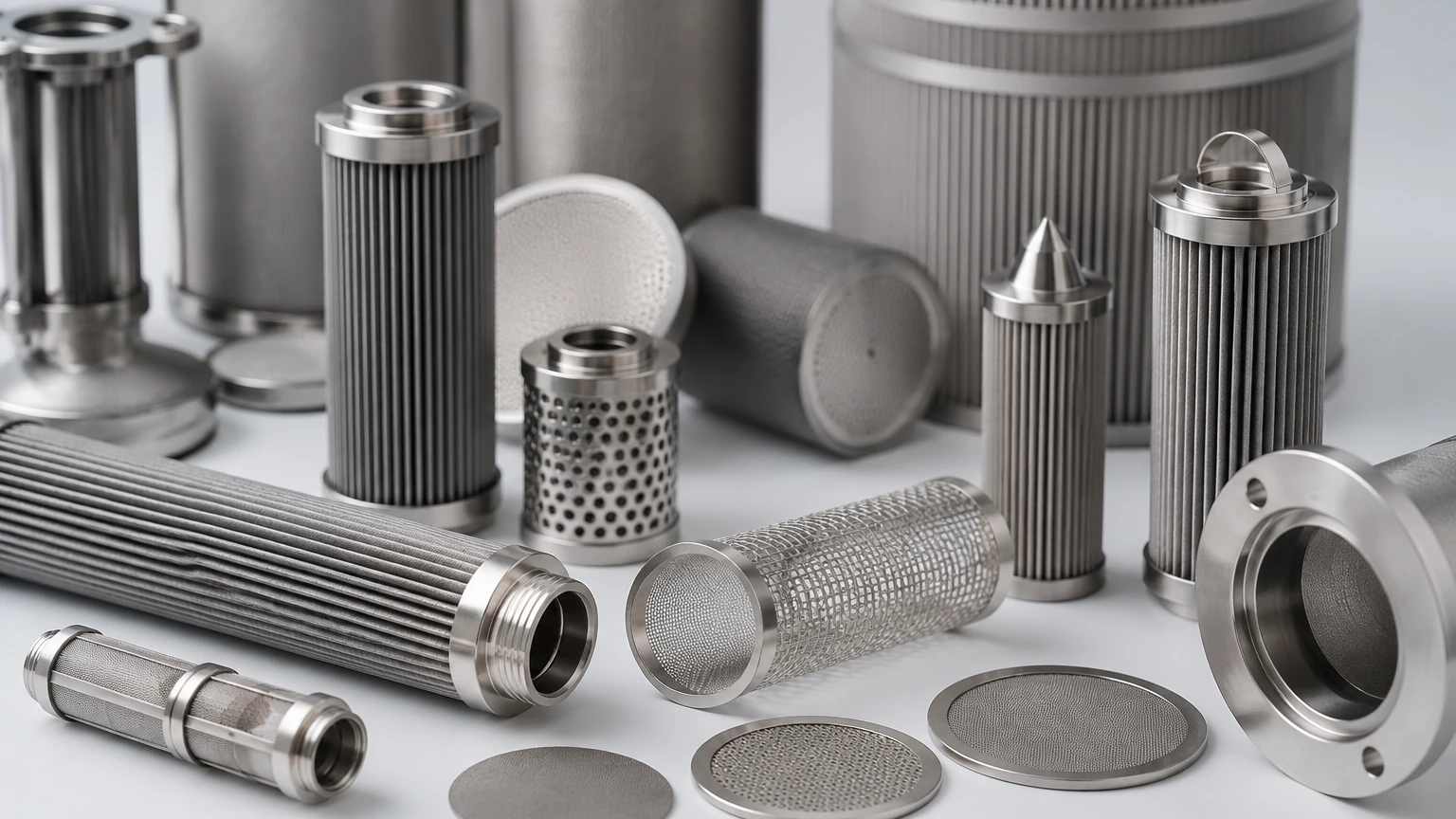
Power Plant Filters
In the demanding environment of power generation, the reliability of mechanical systems is inextricably linked to the purity of the fluids that power, cool, and lubricate them. Whether in thermal, nuclear, hydroelectric, or gas turbine facilities, the presence of particulate contaminants can lead to catastrophic component failure, unplanned downtime, and significant financial loss. Industrial power plant filters serve as the primary line of defense, ensuring that turbines, pumps, and heat exchangers operate within their designed tolerances. For engineering and procurement teams, selecting the appropriate filtration technology requires a deep understanding of fluid dynamics, material science, and the specific rigors of power plant operations.
The Critical Role of Filtration in Power Generation Infrastructure
Power plants operate under conditions of extreme temperature, high pressure, and continuous duty cycles. In these environments, even microscopic contaminants can cause severe damage. For instance, in a steam turbine, high-velocity steam carrying metal oxides (scale) can erode turbine blades, leading to aerodynamic imbalances and reduced efficiency. Similarly, in hydraulic control systems, fine particulates can cause valve sticking or actuator wear, compromising the safety and responsiveness of the plant’s governor systems.
Effective power plant filters are designed to mitigate these risks by capturing contaminants at various stages of the generation cycle. This includes the filtration of intake water, the purification of condensate, the cleaning of lubricating oils, and the protection of fuel delivery systems. By maintaining fluid cleanliness, these filters extend the service life of expensive capital equipment and optimize the overall heat rate of the facility. When evaluating filtration solutions, engineers must look beyond simple micron ratings and consider the structural integrity of the filter element under fluctuating loads and its chemical compatibility with specialized process fluids.
Key Applications of Power Plant Filters
Filtration requirements vary significantly across different subsystems within a power plant. Each application presents unique challenges regarding flow rate, temperature, and contaminant type.
Turbine Lubricating Oil Filtration
Turbine bearings operate at high rotational speeds and rely on a consistent film of clean oil to prevent metal-to-metal contact. Contaminants in the lube oil—such as wear metals, dust, or moisture—can lead to abrasive wear or bearing pitting. High-performance stainless steel filter cartridges are often utilized in these systems because they can handle high-viscosity fluids and maintain structural stability under the high flow rates required for large turbine sets. These filters must provide high dirt-holding capacity to ensure long service intervals between maintenance shutdowns.
Condensate Polishing and Boiler Feed Water
In thermal power plants, the steam is condensed back into water and reused. This condensate often picks up corrosion products (iron and copper oxides) from the piping. Condensate polishing systems use filtration to remove these particulates before the water is returned to the boiler. Precision metal filter components are essential here to prevent the fouling of boiler tubes, which can lead to localized overheating and tube ruptures. Stainless steel wire mesh filters are frequently preferred for their ability to withstand the high temperatures of the feed water loop.
Fuel Gas and Fuel Oil Filtration
For gas-fired power plants, the fuel gas must be free of liquids and solids to protect the sensitive nozzles and hot-path components of the gas turbine. Similarly, oil-fired plants require robust filtration to prevent injector clogging. Power plant filters for fuel systems are designed to handle high pressures and provide absolute filtration to ensure that only clean fuel reaches the combustion chamber. This is critical for maintaining stable combustion and meeting emission standards.
Cooling Water Intake and Recirculation
Power plants require vast amounts of water for cooling. Intake filters (often coarse strainers followed by finer mesh filters) prevent debris, silt, and biological matter from entering the heat exchangers. In closed-loop cooling systems, filtration is necessary to manage the buildup of scale and corrosion products that would otherwise reduce heat transfer efficiency.
Engineering Considerations for Stainless Steel Filtration Solutions
When specifying power plant filters, the choice of material is paramount. Stainless steel, particularly grades 304 and 316L, is the industry standard for demanding power plant applications due to its mechanical strength and resistance to various forms of corrosion.
1. Mechanical Strength and Pressure Differential: Unlike polymer or paper-based media, stainless steel wire mesh and sintered metal filters can withstand high differential pressures (ΔP) without collapsing or bypassing. In power plants, where sudden pressure surges can occur, this mechanical robustness is a critical safety feature.
2. Thermal Stability: Power plant processes often involve temperatures exceeding 200°C (392°F). Stainless steel maintains its integrity and filtration accuracy at these temperatures, where synthetic materials would soften or degrade.
3. Chemical Compatibility: From the demineralized water used in boilers to the specialized synthetic esters used in some hydraulic systems, power plant fluids can be chemically aggressive. Stainless steel provides excellent resistance to corrosion and chemical attack, ensuring that the filter itself does not become a source of contamination.
4. Filtration Accuracy (Micron Rating): Engineers must balance the need for fine filtration with the requirement for low initial pressure drop. Sintered metal felt and multi-layered wire mesh designs allow for precise control over pore size, enabling absolute filtration ratings down to sub-micron levels while maintaining high permeability.
Evaluating Performance and Durability
To ensure that power plant filters meet the operational demands of a modern utility, technical professionals should evaluate several performance metrics during the selection process:
* Beta Ratio and Efficiency: It is important to distinguish between nominal and absolute ratings. For critical systems like turbine lube oil, an absolute rating (Beta x ≥ 1000) is often required to ensure that 99.9% of particles at the specified micron size are captured.
* Dirt-Holding Capacity: This determines the service life of the filter. A filter with a higher surface area, such as a pleated stainless steel cartridge, will generally offer a longer life between cleanings or replacements by spreading the contaminant load over a larger area.
* Flow Fatigue Resistance: Power plant systems often experience cyclic flow. The filter media must be engineered to resist fatigue and prevent media migration—where pieces of the filter itself break off and enter the downstream flow.
For those seeking to optimize their filtration systems, it is beneficial to Review product options and application support on our Main Page, where detailed specifications for various industrial environments are available.
Maintenance, Cleaning, and Total Cost of Ownership
One of the primary advantages of utilizing stainless steel power plant filters is their cleanability. While disposable filters may have a lower initial purchase price, the total cost of ownership (TCO) for permanent, cleanable stainless steel elements is often significantly lower over the life of the plant.
Cleaning Methods
Stainless steel filters can be cleaned using several methods, depending on the nature of the contaminant:
* Backwashing: Many cooling water and process filters are designed for automatic backwashing, where a portion of the clean fluid is pulsed back through the filter to dislodge accumulated debris.
* Ultrasonic Cleaning: For deeply embedded particulates in sintered media, ultrasonic baths can effectively restore the filter to near-original differential pressure levels.
* Chemical Cleaning: Solvent or acid cleaning can be used to remove scale or organic buildup, provided the chemical agent is compatible with the stainless steel grade.
Replacement Cycles
While stainless steel elements are durable, they are not infinite. Regular inspection of the mesh integrity and monitoring of the "clean" differential pressure after each cleaning cycle are essential. If the clean ΔP begins to rise steadily, it indicates that the media is reaching the end of its functional life due to irreversible pore plugging.
Customization and OEM Integration for Specialized Power Systems
Many power plants, particularly older facilities undergoing life-extension programs, require filtration solutions that do not fit standard off-the-shelf dimensions. Customization is often necessary to retrofit high-performance stainless steel elements into existing filter housings or to meet specific flow and pressure drop requirements that are unique to a particular site.
Customized designs can include specialized end-capping (such as NPT, flange, or 222/226 O-ring configurations), reinforced internal cores for high-pressure applications, and outer shrouds to protect the filter media during installation. Working with a manufacturer that understands these engineering nuances allows power plant operators to upgrade their filtration efficiency without the need for costly piping or housing modifications.
Conclusion: Selecting the Right Partner for Power Plant Filtration
The selection of power plant filters is a technical decision that impacts the safety, efficiency, and longevity of the entire generation facility. By prioritizing high-quality materials like stainless steel and focusing on rigorous engineering standards, plant managers can significantly reduce the risks associated with fluid contamination. Whether the goal is to protect a multi-million dollar gas turbine or to ensure the purity of boiler feed water, the right filtration solution is an investment in operational stability.
When moving forward with a filtration project, engineers should confirm the exact chemical composition of the process fluid, the maximum operating temperature, and the expected contaminant loading. This data, combined with professional manufacturing expertise, ensures the delivery of a filtration system that performs reliably under the most strenuous conditions. For further technical details on custom metal filtration components and industrial applications, professionals are encouraged to explore the resources available on our Main Page.