


Benefits of Chemical Storage Tanks
In industrial processing, the management of hazardous and sensitive fluids requires a sophisticated approach to containment and distribution. Chemical storage tanks are not merely passive vessels; they are engineered systems designed to maintain the integrity of the stored substance while ensuring the safety of the facility and the efficiency of the production line. For engineers and procurement specialists in sectors such as chemical processing, pharmaceuticals, and water treatment, understanding the technical benefits of high-quality chemical storage tanks is essential for optimizing long-term operational performance.
Selecting the right storage solution involves evaluating material compatibility, structural design, and the integration of auxiliary components like filtration systems. When properly specified, these tanks provide a foundation for consistent product quality and rigorous safety standards. This guide explores the multifaceted advantages of industrial chemical storage tanks, with a particular focus on stainless steel constructions and their synergy with precision filtration components.
Material Excellence: Why Stainless Steel Dominates Chemical Storage
One of the primary benefits of chemical storage tanks manufactured from high-grade alloys, such as 304 or 316L stainless steel, is their exceptional resistance to corrosion and chemical degradation. Unlike plastic or carbon steel tanks, stainless steel offers a non-reactive surface that is critical for maintaining the purity of volatile or high-purity chemicals.
Corrosion Resistance and Longevity
Stainless steel contains chromium, which forms a passive layer of chromium oxide on the surface. This layer is self-healing and prevents the base metal from reacting with the stored chemical. In environments involving aggressive acids, bases, or solvents, 316L stainless steel—enhanced with molybdenum—provides superior resistance to pitting and crevice corrosion. This material integrity ensures that the tank remains structural sound for decades, significantly reducing the risk of leaks that could lead to environmental contamination or costly downtime.
Purity and Contamination Control
In the pharmaceutical and food and beverage industries, the "cleanability" of a storage tank is a top priority. Stainless steel tanks can be manufactured with high-precision surface finishes (measured in Ra). A smooth, polished interior prevents the adhesion of biological films or chemical residues, facilitating effective Clean-in-Place (CIP) and Sterilize-in-Place (SIP) cycles. This level of hygiene is a major benefit for processes where batch-to-batch consistency is mandatory.
Enhancing Process Safety and Regulatory Compliance
Safety is the cornerstone of industrial chemical management. The engineering of a storage tank must account for the specific gravity, vapor pressure, and toxicity of the fluid it holds. Modern chemical storage tanks offer several safety-related benefits that help facilities comply with OSHA, EPA, and ASME standards.
Structural Integrity under Pressure
Industrial tanks are often designed to withstand specific pressure differentials, whether caused by the weight of the fluid or the introduction of inert gas blankets (nitrogen padding) to prevent oxidation. Precision-welded stainless steel tanks offer the mechanical strength necessary to handle these stresses without the risk of stress-cracking, which is a common failure mode in lower-quality composite materials.
Environmental Protection and Containment
The benefits of chemical storage tanks extend to environmental stewardship. High-quality tanks are often integrated into secondary containment systems. By using reliable metal vessels with standardized fittings and leak-detection sensors, facilities can mitigate the risk of catastrophic spills. Furthermore, the use of specialized venting and filtration systems on the tank’s exhaust prevents the release of harmful vapors into the atmosphere, ensuring compliance with air quality regulations.
Operational Efficiency through Integrated Storage and Filtration
A significant benefit of chemical storage tanks is their role as a buffer in the production cycle. They allow for the decoupling of supply and demand, enabling continuous downstream processes even if the upstream supply is intermittent. However, the efficiency of this storage is heavily dependent on the cleanliness of the fluid.
Protecting Downstream Equipment
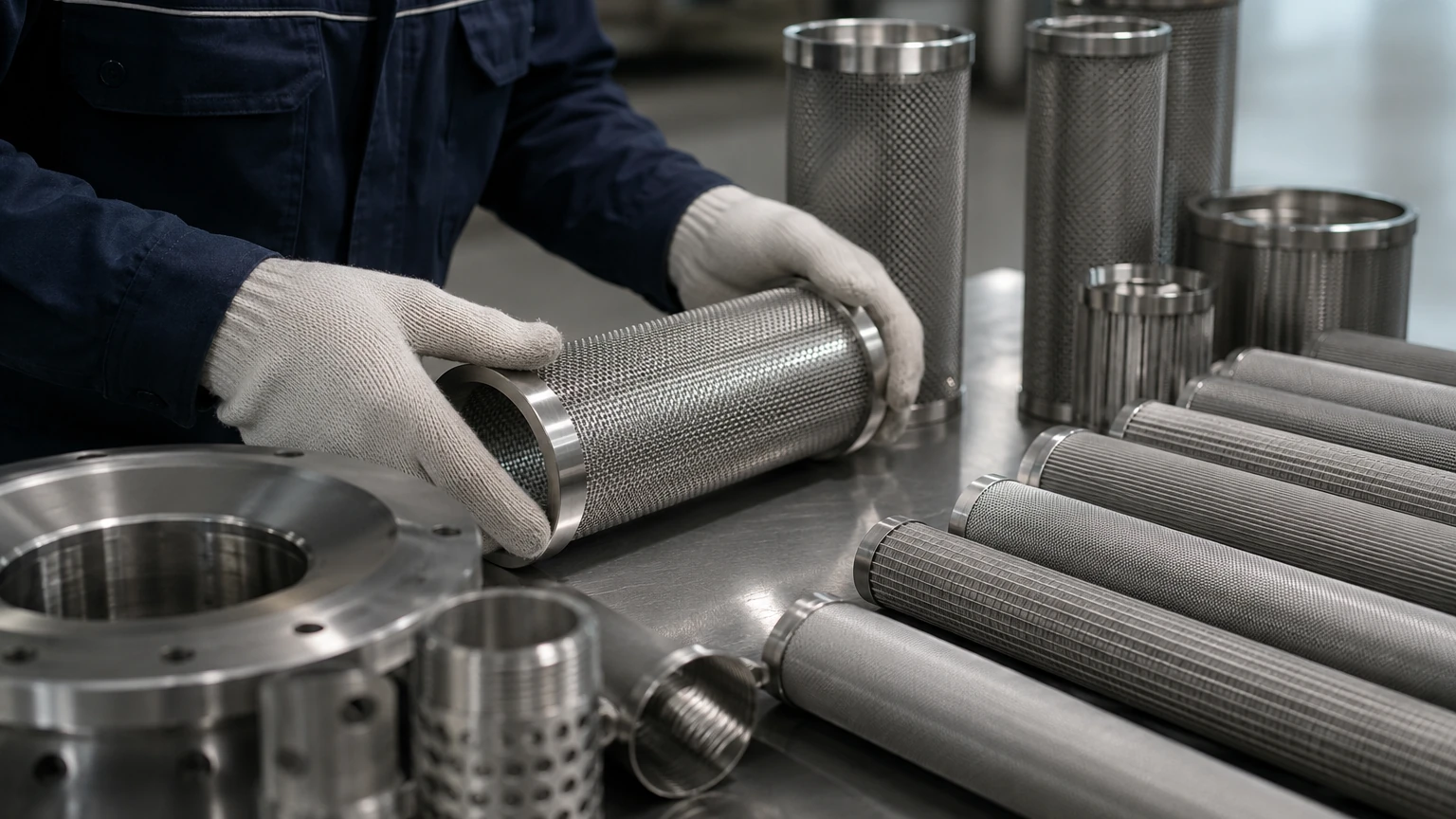
Chemicals stored in bulk tanks are susceptible to contamination from various sources, including atmospheric dust introduced during venting or scale from piping. Integrating filtration solutions, such as those found on the Kaifil Main Page, into the tank’s inlet and outlet lines is a critical engineering step. By using stainless steel wire mesh filters or cartridge filters, engineers can ensure that only particulate-free chemicals reach sensitive downstream equipment like high-pressure pumps, spray nozzles, or reactors.
Facilitating Batch Processing
Storage tanks enable precise batching. By storing raw materials in bulk, manufacturers can perform quality control testing on the entire volume before it is released into the production line. This "quarantine" capability ensures that any impurities are identified and filtered out early, preventing the contamination of a large production run. The inclusion of internal baffles or agitators within the tank also ensures that the chemical remains homogenous, which is vital for maintaining consistent reaction kinetics.
Long-Term Economic Advantages and Asset Longevity
While the initial capital expenditure for a high-specification stainless steel chemical storage tank is higher than for plastic or lined steel alternatives, the total cost of ownership (TCO) is significantly lower. The economic benefits of chemical storage tanks made from durable metals become apparent over a 10-to-20-year horizon.
Reduced Maintenance and Replacement Costs
Plastic tanks are susceptible to UV degradation, thermal expansion, and environmental stress cracking. Over time, these factors necessitate frequent inspections and eventual replacement. In contrast, a well-maintained stainless steel tank requires minimal structural maintenance. The primary maintenance tasks are usually limited to the replacement of seals, gaskets, and filtration elements. Because the tank body itself does not degrade under normal operating conditions, the asset retains its value and functionality for a much longer period.
Scalability and Versatility
Stainless steel tanks offer the benefit of versatility. If a facility changes its process, a metal tank can often be repurposed for a different chemical (provided material compatibility is verified) after a thorough cleaning. This is not always possible with lined tanks, where the lining might be specific to one chemical family. The ability to modify the tank—such as adding new nozzles, sensors, or filtration brackets—provides a level of future-proofing that adds to the economic value of the investment.
Engineering Customization for Specific Chemical Profiles
One of the most valuable benefits of chemical storage tanks is the ability to customize the design to meet the exact requirements of a specific application. Engineering teams can tailor every aspect of the vessel to optimize performance.
Thermal Management
Many chemicals must be stored within a specific temperature range to maintain their viscosity or prevent crystallization. Custom storage tanks can be equipped with heating or cooling jackets (such as dimple jackets or half-pipe coils) and high-density insulation. This thermal control is essential for chemicals like resins, polymers, or certain food-grade oils that are sensitive to temperature fluctuations.
Precision Fittings and Instrumentation
Modern tanks are equipped with a suite of instrumentation that provides real-time data on level, temperature, pressure, and flow. The integration of these sensors allows for automated inventory management and process control. Furthermore, the selection of specific discharge valves and intake manifolds can be optimized to minimize turbulence and aeration, which is particularly important for shear-sensitive fluids or chemicals prone to foaming.
Maintenance Optimization and the Role of Filtration Components
To maximize the benefits of chemical storage tanks, a proactive maintenance strategy is required. A critical component of this strategy is the management of the filtration systems that protect the tank and the fluid within it.
The Importance of Filtration in Tank Systems
Filtration is not an optional add-on but a fundamental part of the storage system. For example, breather filters are necessary to clean the air that enters the tank as the fluid level drops. Without these, moisture and airborne contaminants can degrade the chemical. Similarly, pump-protection filters on the discharge side prevent any accumulated sediment from entering the process line.
Engineers should consider the following when selecting filtration for storage tanks:
* Micron Rating: The filtration accuracy must align with the sensitivity of the downstream process.
* Material Compatibility: The filter media (e.g., stainless steel wire mesh) must be as resistant to the chemical as the tank itself.
* Ease of Cleaning: Reusable stainless steel filter cartridges offer a sustainable and cost-effective alternative to disposable filters, especially in high-volume chemical storage applications.
Replacement Cycles and Performance Monitoring
By monitoring the differential pressure across the filtration components, maintenance teams can determine the optimal time for cleaning or replacement. This prevents flow restrictions and ensures that the storage system always operates at peak efficiency. High-performance filtration components ensure that the internal environment of the tank remains pristine, thereby extending the interval between full-scale internal tank inspections and cleanings.
Conclusion: Investing in Reliable Containment
The benefits of chemical storage tanks are realized through a combination of superior material selection, rigorous engineering, and the integration of high-quality auxiliary components. For industrial operators, the transition to robust stainless steel storage solutions offers a clear path toward enhanced safety, improved product purity, and significant long-term cost savings.
By viewing the storage tank as a critical node in the filtration and distribution network, engineers can better protect their equipment and ensure the consistency of their output. Whether managing aggressive industrial acids or high-purity pharmaceutical ingredients, the right storage and filtration strategy is fundamental to operational excellence. For those seeking to optimize their filtration infrastructure in conjunction with their storage needs, reviewing specialized component options is a vital next step in the procurement process.
