


Plastic Filter Housing
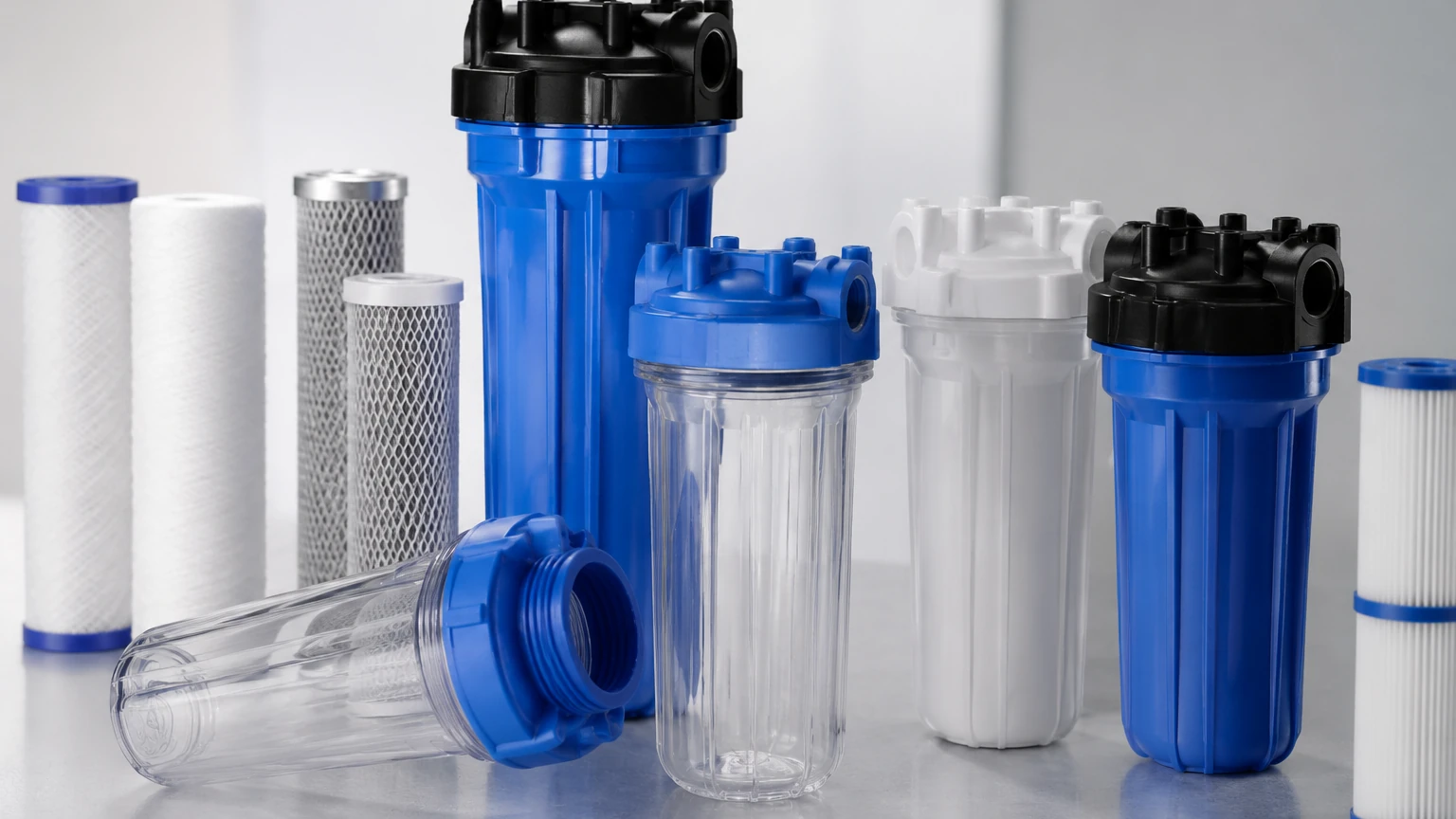
In industrial filtration, the selection of a filter housing is as critical as the selection of the filter media itself. While stainless steel is often the standard for high-pressure and high-temperature applications, a plastic filter housing offers a distinct set of advantages and limitations that engineers must evaluate based on chemical compatibility, cost-efficiency, and environmental conditions. This guide provides a technical overview of plastic filter housings, their material properties, engineering considerations, and how they compare to metallic alternatives in professional settings.
Understanding Plastic Filter Housing Materials
Plastic filter housings are typically constructed from various polymers, each selected for specific mechanical and chemical properties. The most common materials include:
* Polypropylene (PP): This is the most widely used material due to its excellent chemical resistance to many acids, bases, and salts. It is lightweight and cost-effective. Glass-reinforced polypropylene (GFPP) is often used to improve structural integrity and pressure resistance.
* Styrene Acrylonitrile (SAN): Frequently used for "clear" housings, SAN allows for visual inspection of the filter element without opening the vessel. However, it has lower chemical resistance and pressure ratings compared to opaque PP.
* Polyvinyl Chloride (PVC) and CPVC: Often used in water treatment and chemical processing, these materials offer good rigidity. CPVC is preferred when higher temperature resistance is required.
* Fluoropolymers (PVDF/PTFE): These are high-performance plastics used in ultra-pure water applications or highly aggressive chemical environments. They offer the highest level of chemical inertness but come at a significantly higher price point.
Engineering Evaluation: Plastic vs. Stainless Steel
When designing a filtration system, engineers must decide between a plastic filter housing and a stainless steel vessel. The decision usually hinges on three factors: pressure, temperature, and chemical environment.
Pressure and Temperature Ratings
Plastic housings generally have lower operating limits than metal. Most standard plastic housings are rated for pressures between 100 and 150 PSI (6.9 to 10.3 bar) at ambient temperatures. As the temperature of the process fluid increases, the structural strength of the plastic decreases, requiring a significant derating of the maximum allowable working pressure (MAWP). In contrast, stainless steel components, such as those found on the Main Page of technical catalogs, can withstand much higher pressures and temperatures exceeding 200°C.
Chemical Compatibility
Plastic is often superior to stainless steel when handling highly corrosive fluids like hydrochloric acid or bleach, which can cause pitting or stress corrosion cracking in 304 or 316 stainless steel. However, plastics are susceptible to degradation from certain organic solvents, hydrocarbons, and UV exposure if used outdoors without proper shielding.
Key Selection Criteria for Industrial Applications
To ensure the longevity and safety of a filtration system, several technical specifications must be confirmed before procurement.
1. Flow Rate and Pressure Drop
The internal geometry of the plastic filter housing dictates the flow characteristics. Engineers should review the Delta P (pressure drop) curves provided by the manufacturer. A housing that is too small for the required flow rate will result in high energy consumption and potential damage to the filter element due to excessive velocity.
2. Connection Types and Sealing
Plastic housings typically feature NPT or BSP threaded connections. For industrial systems, flanged connections are often preferred to reduce the risk of leaks and simplify maintenance. The sealing mechanism—usually an O-ring made of EPDM, Viton (FKM), or Nitrile (Buna-N)—must be compatible with the process fluid to prevent bypass or external leakage.
3. Port Size and Configuration
Standard industrial housings range from 1/4" to 2" ports for single-cartridge units. Multi-round plastic housings are available for higher flow rates but are less common than their stainless steel counterparts due to the structural challenges of large-diameter plastic pressure vessels.
Common Risks and Failure Modes
Engineers must be aware of the specific failure modes associated with polymers to prevent system downtime or safety incidents.
* Water Hammer: Plastic is less ductile than metal. Sudden pressure spikes caused by the rapid closing of valves (water hammer) can lead to catastrophic failure or cracking of the housing bowl.
* Creep and Deformation: Under constant pressure and elevated temperature, plastics can undergo "creep," a slow deformation that can eventually compromise the seal or the structural integrity of the threads.
* UV Degradation: If a plastic filter housing is installed in a location with direct sunlight, the polymer chains can break down over time, leading to embrittlement. UV-stabilized materials or protective enclosures are necessary for outdoor installations.
* Thread Galling and Over-tightening: Unlike stainless steel, plastic threads are easily damaged. Over-tightening a plastic bowl or a fitting can lead to stress cracks that may not appear until the system is pressurized.
Integration with High-Performance Filter Elements
While the housing provides the pressure boundary, the filtration performance is determined by the internal element. Many industrial applications utilize a plastic filter housing in conjunction with high-performance stainless steel wire mesh or sintered metal cartridges. This hybrid approach allows for the chemical resistance of a plastic vessel with the precision and cleanability of metal media.
For instance, in a system where the fluid is compatible with polypropylene but requires a specific micron rating and high mechanical strength for the filter medium, a stainless steel pleated element can be inserted into a plastic housing. This setup is common in pre-filtration for reverse osmosis (RO) systems or in light chemical processing where the durability of the filter element is paramount.
Maintenance and Total Cost of Ownership (TCO)
The initial purchase price of a plastic filter housing is significantly lower than that of a stainless steel unit. However, the TCO must account for the replacement cycle. In demanding industrial environments, plastic housings may need to be replaced every 5 to 10 years due to material fatigue, whereas a well-maintained stainless steel vessel can last for decades.
Maintenance protocols for plastic housings should include:
* Regular O-ring Inspection: O-rings should be lubricated with a compatible silicone grease and replaced whenever the housing is opened for a filter change.
* Visual Inspections for Crazing: Small, hair-like cracks (crazing) on the surface of the plastic are early indicators of stress or chemical attack and should prompt immediate replacement.
* Torque Management: Using a housing wrench specifically designed for the unit ensures that the bowl is tightened sufficiently to seal without over-stressing the threads.
When to Transition to Stainless Steel Solutions
There are specific thresholds where a plastic filter housing is no longer viable. If your application involves any of the following, a transition to stainless steel filtration components is recommended:
1. Temperatures exceeding 60°C (140°F): Most standard PP housings lose significant structural integrity above this point.
2. Operating pressures above 125 PSI: For safety margins in industrial plants, metal is preferred for higher pressure lines.
3. Strict Sanitary Requirements: In pharmaceutical or high-end food and beverage applications, 316L stainless steel with a high-polish finish (Ra < 0.8 µm) is required to prevent bacterial growth, a standard that plastic housings often cannot meet due to their surface porosity.
4. Hazardous Fluids: For flammable or toxic chemicals, the secondary containment and fire resistance of metal housings provide a necessary safety layer that plastics lack.
Conclusion
A plastic filter housing is an effective and economical solution for many water treatment and chemical applications, provided the engineering limits are strictly observed. By understanding the material properties and potential failure modes, purchasing teams and engineers can select the right housing for their specific needs. For applications requiring higher durability, extreme temperature resistance, or custom precision, exploring stainless steel filtration solutions remains the industrial benchmark for reliability and performance.
