


Mobile Filter Press
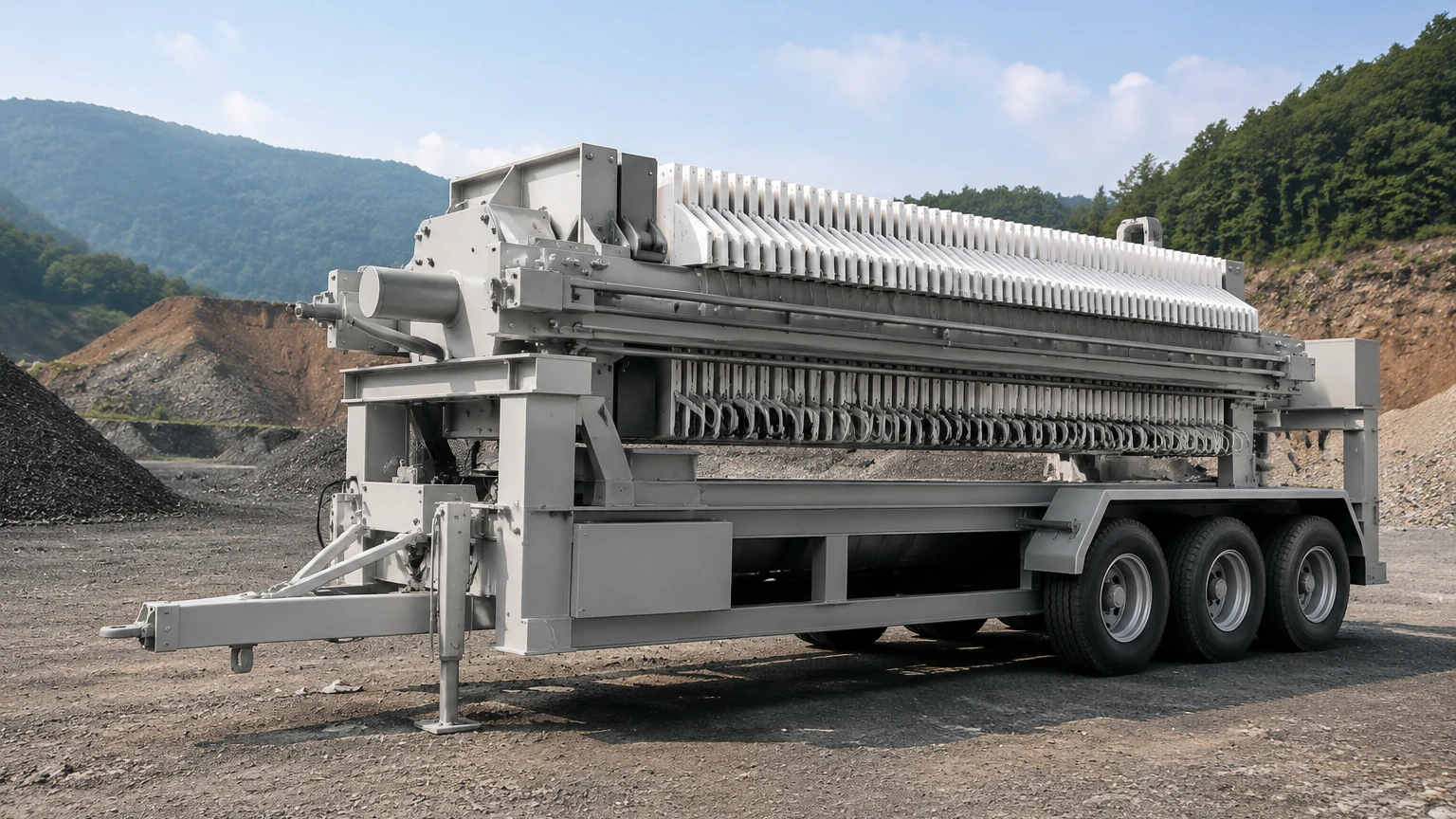
In the landscape of modern industrial processing, the requirement for flexibility and rapid deployment has led to the evolution of filtration technology from static installations to highly adaptable, portable systems. A mobile filter press represents a significant advancement for industries that require on-site solid-liquid separation without the permanence or capital expenditure of a fixed facility. These units, typically mounted on trailers, skids, or heavy-duty casters, provide a versatile solution for dewatering sludge, clarifying liquids, and recovering valuable solids across diverse sectors including chemical processing, municipal wastewater treatment, and mining.
For engineers and procurement professionals, understanding the technical nuances of a mobile filter press is essential for optimizing operational efficiency. These systems must balance the mechanical rigors of transport with the precision required for high-performance filtration. The integration of high-quality internal components, such as stainless steel filter media and precision-engineered plates, ensures that the mobile unit delivers results comparable to its stationary counterparts.
Engineering Principles of the Mobile Filter Press
The fundamental operation of a mobile filter press relies on pressure-driven separation. Slurry is pumped into the chambers formed between a series of filter plates. As the pressure increases, the liquid (filtrate) is forced through the filter media, while the solids are retained within the chambers, forming what is known as a "filter cake."
What distinguishes a mobile unit is its self-contained design. Unlike a traditional plant setup, a mobile filter press often incorporates the feed pump, manifold system, control panel, and sometimes even a cake discharge conveyor into a single, transportable footprint. This requires careful engineering to manage weight distribution and structural integrity during transit. The use of high-strength materials and compact hydraulic systems is standard to ensure the unit can withstand the vibrations of movement while maintaining the tight tolerances required for a leak-free seal during the filtration cycle.
The Critical Role of Stainless Steel Filter Media
The performance of any filter press, mobile or stationary, is largely dictated by the quality of the filter media. In industrial applications involving corrosive chemicals, high temperatures, or abrasive slurries, stainless steel wire mesh and cartridges are often the preferred choice. Kaifil specializes in these high-performance components, ensuring that the heart of the filtration system is durable and precise.
Using stainless steel filtration solutions within a mobile filter press offers several engineering advantages:
1. Chemical Compatibility: Stainless steel (typically grades 304 or 316L) provides excellent resistance to a wide range of industrial solvents, acids, and bases, which is vital for mobile units that may be moved between different processing sites with varying chemical profiles.
2. Thermal Stability: Mobile units used in hot-process industries, such as oil refining or chemical synthesis, benefit from the high-temperature tolerance of metal mesh, which does not degrade or lose structural integrity like synthetic fabrics.
3. Mechanical Strength: The high pressure required to achieve dry filter cakes can cause standard cloth media to stretch or tear. Stainless steel wire mesh maintains its pore geometry under significant mechanical stress, ensuring consistent filtration accuracy.
4. Cleanability: For mobile operations where downtime must be minimized, the ability to effectively backwash or chemically clean stainless steel media is a major operational benefit. This extends the service life of the components and reduces the total cost of ownership.
Engineers looking to optimize their mobile systems can Review product options and application support to find the exact filtration specifications required for their specific industrial challenges.
Key Applications for Mobile Filtration Systems
The versatility of the mobile filter press makes it an invaluable asset in several high-demand scenarios:
Remote Site Remediation
In environmental cleanup projects or remote mining operations, transporting large volumes of sludge to a central facility is often cost-prohibitive. A mobile filter press can be deployed directly to the site to dewater the material, significantly reducing the volume of waste that needs to be hauled away and allowing for the immediate recycling of treated water.
Pilot Plant Testing and Scale-Up
Before investing in a full-scale stationary filtration plant, many companies utilize mobile units for pilot testing. This allows engineers to verify filtration rates, cake dryness, and chemical interactions in a real-world environment. The data gathered from these mobile trials is critical for the final design of permanent installations.
Emergency and Temporary Capacity
When a permanent filtration system undergoes maintenance or fails unexpectedly, a mobile filter press provides an immediate contingency. Similarly, during seasonal peaks in production—common in the food and beverage industry—mobile units can be brought in to handle the temporary increase in throughput without requiring permanent floor space.
Technical Selection Criteria for Engineers
Selecting the right mobile filter press involves more than just calculating the required volume. Engineers must evaluate several technical parameters to ensure the system meets the application's specific needs:
* Filtration Area and Chamber Volume: These determine the throughput capacity. In a mobile configuration, these must be balanced against the physical dimensions of the transport skid.
* Plate Type: Options include recessed chamber plates for standard dewatering or membrane squeeze plates for applications requiring maximum cake dryness and shorter cycle times.
* Operating Pressure: Higher pressures generally result in drier cakes but require more robust structural components and high-strength filter media.
* Automation Level: Mobile units can range from manual operation to fully automated systems with PLC controls that manage the entire cycle, from filling and squeezing to cake discharge and cloth washing.
* Material Selection: Beyond the filter media, the manifold, valves, and piping must be compatible with the process fluid. For pharmaceutical or food-grade applications, stainless steel construction throughout the wetted path is often mandatory.
Maintenance and Operational Longevity
To maintain the efficiency of a mobile filter press, a rigorous maintenance schedule is necessary. Because these units are subject to the stresses of transport, regular inspections of hydraulic seals, structural bolts, and electrical connections are paramount.
One of the most common failure points in filter presses is the blinding of the filter media. When fine particles become trapped within the pores of the mesh or cloth, filtration rates drop and pressure increases. In mobile units, where resources for deep cleaning may be limited at the job site, selecting easy-to-clean stainless steel components is a strategic decision. These materials respond well to ultrasonic cleaning and high-pressure washing, ensuring that the unit remains at peak performance across multiple deployments.
Furthermore, the lifecycle of the filter plates should be monitored. Misalignment during the closing cycle can lead to plate warping or leaking. Ensuring that the mobile chassis remains level during operation is a simple but critical step in preventing mechanical damage.
Total Cost of Ownership (TCO) Considerations
While the initial capital expenditure for a mobile filter press equipped with high-grade stainless steel components may be higher than that of a basic stationary unit with synthetic media, the TCO is often lower. The durability of metal filtration components reduces the frequency of replacements, and the portability of the system eliminates the need for expensive infrastructure at multiple sites.
Additionally, the ability to achieve higher cake dryness reduces disposal costs—a significant factor in industrial waste management. By recovering more filtrate and producing a more manageable solid waste product, the mobile filter press pays for itself through operational savings and environmental compliance.
Conclusion
The mobile filter press is a vital tool for industries requiring flexible, high-performance solid-liquid separation. By integrating advanced engineering with durable materials like stainless steel wire mesh and precision filter cartridges, these systems provide a reliable solution for the most demanding industrial environments. For technical teams tasked with selecting or designing these systems, focusing on material compatibility, mechanical integrity, and ease of maintenance will ensure long-term success.
As industrial processes continue to prioritize efficiency and mobility, the role of specialized manufacturers in providing the underlying filtration technology becomes even more critical. High-quality components are the foundation of a reliable mobile system, enabling engineers to meet stringent filtration standards regardless of where the job takes them.
