


Rotary Vacuum Drum
In the landscape of industrial solid-liquid separation, the rotary vacuum drum filter (RVDF) remains a cornerstone technology for continuous processing. Designed to handle large volumes of slurry with varying solids concentrations, this equipment is essential in sectors ranging from chemical processing and mineral handling to food production and wastewater treatment. For engineers and procurement teams, understanding the technical nuances of the rotary vacuum drum—specifically the selection of filtration media and the mechanical configuration of the system—is critical to achieving optimal throughput and minimizing operational downtime.
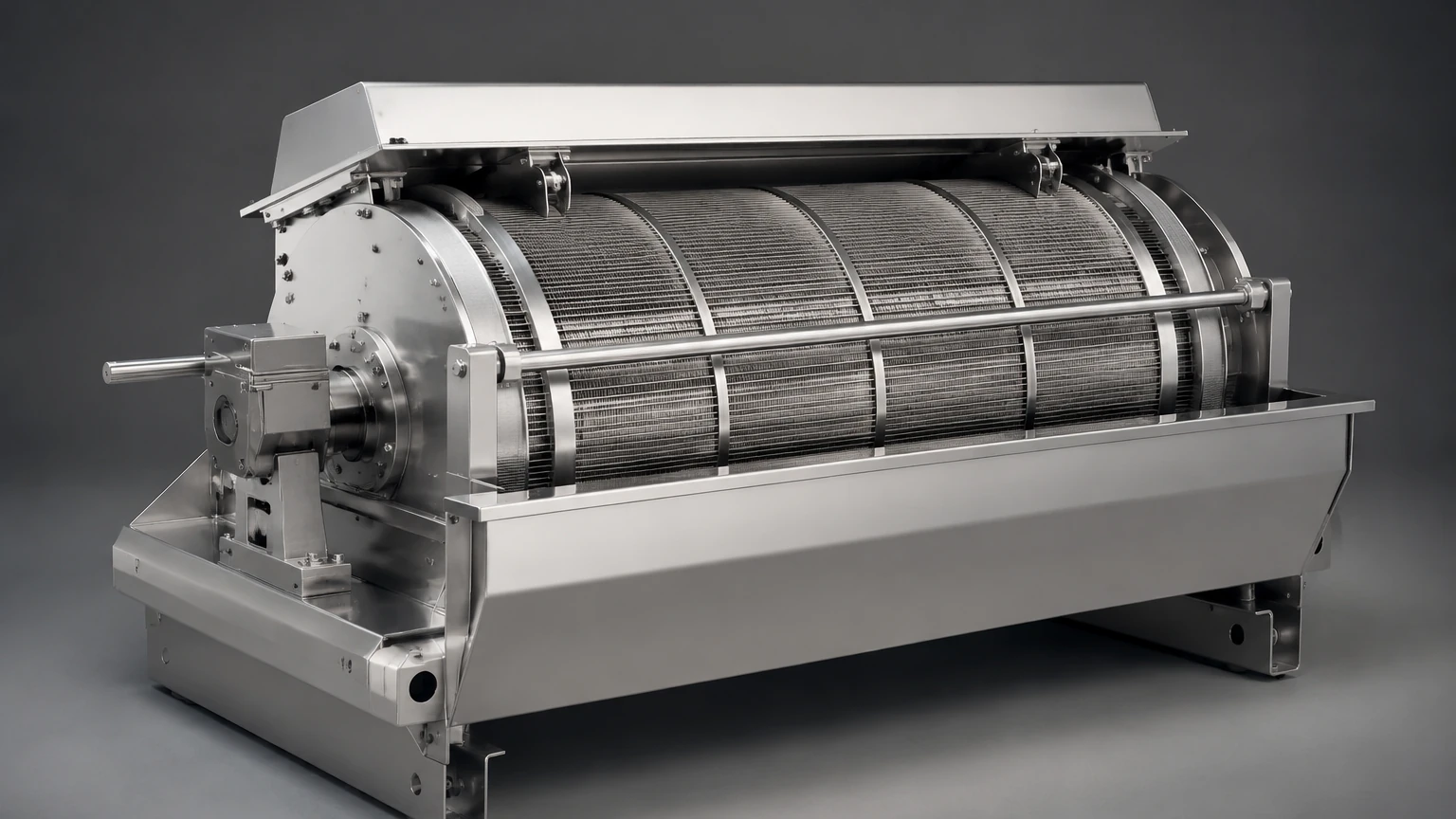
At its core, the rotary vacuum drum operates on a pressure differential principle, utilizing a vacuum to draw liquid through a filter medium while retaining solids on the drum's surface. As a manufacturer specializing in high-performance stainless steel filtration solutions, Kaifil provides the precision metal components necessary to ensure these systems operate with maximum efficiency and durability in demanding environments.
The Mechanics of Continuous Filtration
The operation of a rotary vacuum drum is a cyclical process divided into distinct functional zones. The drum itself is partially submerged in a vat containing the slurry. As the drum rotates, the internal vacuum system activates, initiating the filtration cycle.
1. Cake Formation Zone: As the submerged portion of the drum rotates, the vacuum pulls the liquid (filtrate) through the filter medium. The solids are trapped on the exterior, forming a "cake." The thickness of this cake is determined by the rotation speed, the vacuum level, and the concentration of the slurry.
2. Washing Zone: Once the drum surface emerges from the vat, the cake may be subjected to a wash to remove impurities or recover valuable solutes. This is typically achieved through spray nozzles directed at the rising side of the drum.
3. Drying Zone: After washing, the vacuum continues to pull air through the cake, reducing its moisture content to the desired level before discharge.
4. Discharge Zone: The final stage involves removing the dried cake from the filter medium. The method of discharge depends heavily on the physical properties of the solids being processed.
This continuous cycle allows for high-capacity processing without the interruptions required by batch filtration systems, such as plate and frame presses.
Selecting the Optimal Filter Medium for Vacuum Drums
The performance of a rotary vacuum drum is largely dictated by the characteristics of the filter medium. While synthetic cloths are common, industrial applications involving high temperatures, corrosive chemicals, or abrasive materials often require the structural integrity of stainless steel wire mesh.
Stainless Steel Wire Mesh Advantages
Precision-engineered stainless steel mesh offers several advantages over traditional fabrics:
* Mechanical Strength: Metal media can withstand higher pressure differentials without stretching or tearing, ensuring consistent pore size and filtration accuracy.
* Thermal Resistance: In applications involving hot slurries, such as those found in chemical refining, stainless steel maintains its properties where polymers might degrade.
* Chemical Compatibility: Utilizing alloys like SS304, SS316L, or 904L allows the rotary vacuum drum to process highly acidic or alkaline materials without risk of media failure.
* Cleanability: Metal mesh is more amenable to high-pressure cleaning and back-pulsing, which is vital for preventing "blinding"—the clogging of the filter pores.
When selecting a mesh for a rotary vacuum drum, engineers must balance the micron rating with the required flow rate. A mesh that is too fine may lead to rapid blinding, while a mesh that is too coarse will allow excessive solids to pass into the filtrate.
Discharge Systems: Matching Mechanics to Slurry Properties
The method used to remove the filter cake is a critical design choice that impacts the longevity of the filter medium and the overall efficiency of the rotary vacuum drum. Common discharge types include:
* Scraper Discharge: A blade is positioned close to the drum to peel off the cake. This is ideal for heavy, non-sticky cakes. If using a metal mesh, the scraper must be precisely calibrated to avoid mechanical wear on the wire.
* Precoat Discharge: For slurries with very fine particles or those that tend to blind the media, a layer of filter aid (such as diatomaceous earth) is applied to the drum first. A moving scraper shaves off a thin layer of the precoat along with the filtered solids.
* Belt Discharge: The filter medium is a continuous belt that leaves the drum to pass over a small-diameter roller, causing the cake to break away. This is effective for thin or sticky cakes and allows for continuous washing of the belt on both sides.
* String Discharge: A series of closely spaced strings or wires lift the cake off the drum. This is typically used for fibrous or highly cohesive materials.
Factors Influencing Filtration Efficiency and Throughput
Optimizing a rotary vacuum drum requires a deep dive into the variables that govern the filtration rate. Engineers must consider the following parameters during the selection and configuration phase:
Slurry Characteristics
Particle size distribution, shape, and concentration significantly affect cake permeability. A high concentration of fines can create a dense, impermeable cake that slows the filtration rate. In such cases, adjusting the drum's rotation speed or utilizing a specialized mesh weave can help maintain throughput.
Vacuum Level
The vacuum level must be optimized for the specific material. While a higher vacuum generally increases the filtration rate, it can also compress the cake, potentially reducing permeability and making the drying process less efficient.
Submergence Depth
The percentage of the drum submerged in the slurry vat (typically 30% to 35%) determines the time available for cake formation. Increasing submergence increases the cake thickness but reduces the time available for washing and drying.
Engineering Considerations for Material Compatibility
In B2B industrial procurement, the total cost of ownership (TCO) is often more important than the initial capital expenditure. For a rotary vacuum drum, the TCO is heavily influenced by the durability of the internal components and the filter media.
In the chemical and pharmaceutical industries, corrosion is a primary concern. The drum internals, including the drainage grids and vacuum pipes, are often constructed from high-grade stainless steel to prevent localized pitting and stress corrosion cracking. When specifying components, it is essential to confirm that the material grade matches the chemical profile of both the slurry and the cleaning agents used in the process.
Furthermore, the precision of the filter component manufacturing is paramount. Improperly fitted mesh or poorly welded support structures can lead to bypass, where unfiltered slurry enters the filtrate stream, potentially damaging downstream equipment or compromising product quality.
Maintenance and Longevity of Metal Filter Components
To ensure the long-term reliability of a rotary vacuum drum, a proactive maintenance schedule is required. The most common issue encountered is the gradual reduction in flow due to media blinding. For stainless steel wire mesh media, maintenance teams should monitor:
1. Pressure Drop: An unexpected increase in the pressure differential across the drum often indicates that the pores of the filter medium are becoming restricted.
2. Cake Consistency: Changes in the moisture content or thickness of the discharged cake can signal uneven vacuum distribution or wear on the discharge mechanism.
3. Mechanical Integrity: Regular inspections should be conducted to check for signs of abrasion on the mesh surface, particularly if a scraper discharge is utilized.
Kaifil’s engineering team works closely with clients to develop customized filtration components that address these specific maintenance challenges. By selecting the correct wire diameter and weave pattern, the service life of the filter medium can be significantly extended, even in abrasive environments.
Customization and Technical Support
Every industrial application has unique requirements that standard off-the-shelf solutions may not meet. Whether it is a specific micron rating for a pharmaceutical process or a reinforced mesh structure for heavy mining slurries, customization is the key to operational success. Engineers should seek partners who can provide detailed technical documentation, material certifications, and performance expectations before finalizing a purchase.
When evaluating your next filtration project, it is helpful to consult with specialists who understand the intersection of material science and mechanical engineering. For those looking to optimize their filtration systems or source high-quality replacement components, you can Review product options and application support on our Main Page to see how custom-engineered stainless steel solutions can enhance your process reliability.
In conclusion, the rotary vacuum drum is a sophisticated piece of machinery that relies on the harmony of mechanical design and material science. By focusing on the quality of the filtration media and the specific needs of the application, industrial operators can achieve a balance of high throughput, low moisture content, and long-term durability. Understanding these technical boundaries ensures that the investment in filtration technology yields the highest possible return in terms of process efficiency and product purity.
