


Waste Water Bar Screen
In the hierarchy of industrial and municipal water treatment, the waste water bar screen serves as the primary mechanical filtration stage. It is the critical first line of defense designed to remove large solids, debris, and inorganic materials from the influent stream before they can damage downstream pumps, valves, and sensitive processing equipment. For engineers and facility managers, selecting the correct bar screen configuration is not merely a matter of sizing; it involves a complex evaluation of hydraulic flow, material science, and mechanical reliability.
As a manufacturer specializing in precision stainless steel filtration solutions, Kaifil understands that the efficiency of a treatment plant often hinges on the performance of these initial screening components. High-quality construction and precise engineering ensure that the Main Page of a facility's filtration strategy remains robust against the harsh conditions of wastewater environments.
The Role of Bar Screens in Industrial Wastewater Treatment
The fundamental purpose of a waste water bar screen is the physical separation of solids from liquids. In industrial contexts—such as chemical processing, food and beverage production, and pharmaceutical manufacturing—the influent often contains diverse debris ranging from plastic packaging and rags to organic bypass and metallic fragments. If these materials are allowed to pass into the secondary treatment phases, they can cause catastrophic failure in centrifugal pumps, clog heat exchangers, and interfere with biological treatment processes.
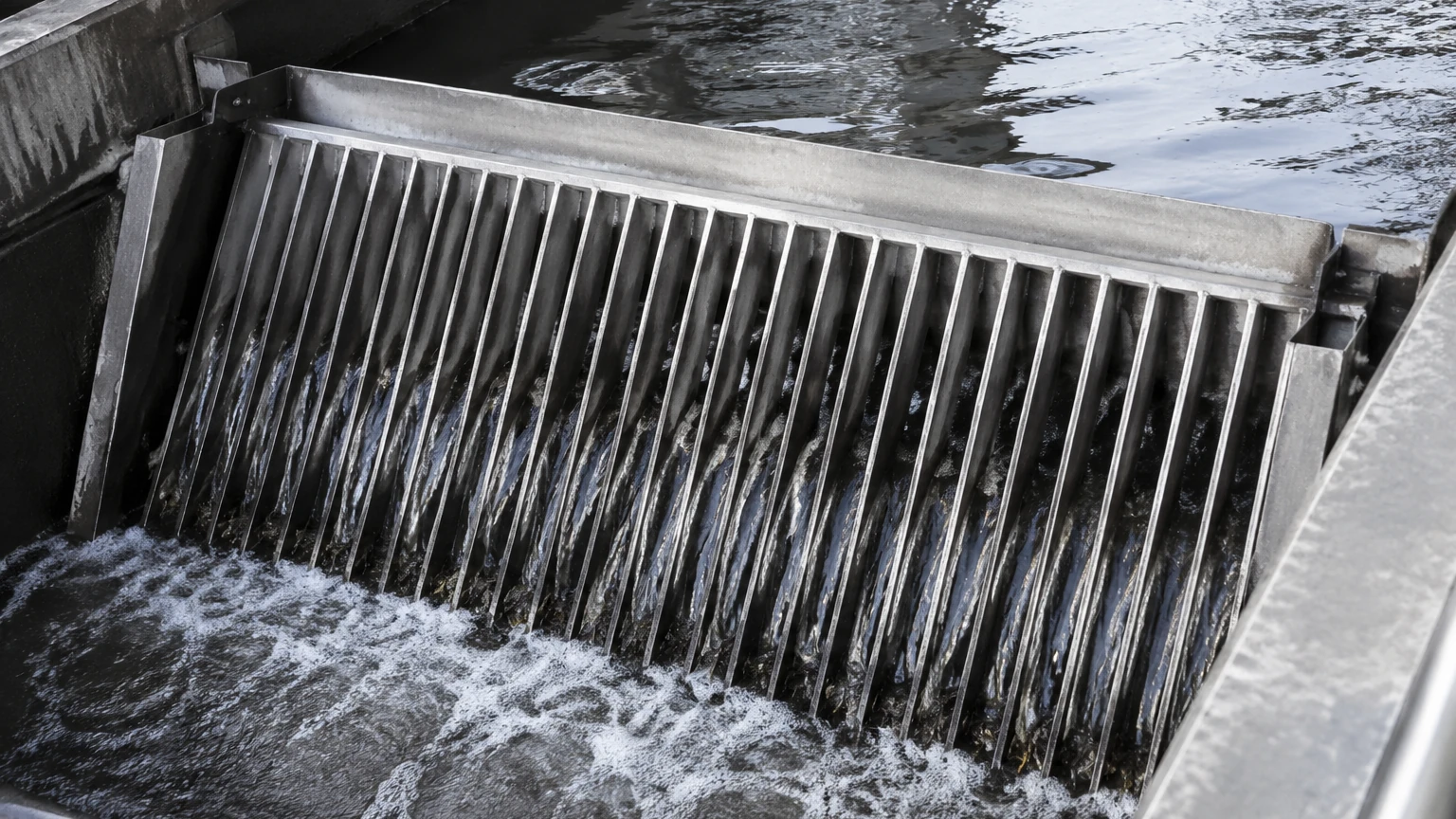
Operationally, the bar screen functions by intercepting solids that are larger than the clear opening between the bars. As the water flows through the screen, the solids are retained on the upstream face. Depending on the design, these solids are then removed either manually or through an automated mechanical raking system. The goal is to maintain a consistent flow rate while minimizing "head loss"—the drop in water pressure or level that occurs as fluid passes through the restricted area of the screen.
Classification: Coarse vs. Fine Waste Water Bar Screens
Waste water bar screens are generally classified based on the spacing between the bars, which determines the filtration accuracy and the type of debris captured.
Coarse Bar Screens
Coarse screens typically feature clear openings ranging from 6 mm (0.25 inches) to 50 mm (2 inches) or more. These are used at the very beginning of the treatment process to catch large objects like timber, rocks, and heavy plastics. In many large-scale industrial plants, coarse screens are installed in deep channels and are often designed to withstand significant impact loads and high hydraulic surges.
Fine Bar Screens
Fine screens utilize openings smaller than 6 mm, often reaching down to 1 mm or less in specialized applications. These are frequently used in industrial sectors where the removal of small fibers, seeds, or fine particulate is necessary to protect downstream membrane bioreactors (MBR) or fine-nozzle spray systems. Fine screens require more frequent cleaning and are almost exclusively mechanical to prevent rapid blinding (clogging) of the screen surface.
Material Engineering: Why Stainless Steel is the Industry Standard
The environment within a wastewater channel is exceptionally corrosive. The presence of hydrogen sulfide (H2S), chlorides, and varying pH levels creates a high risk of oxidation and pitting for standard carbon steels. Consequently, professional filtration manufacturers like Kaifil prioritize stainless steel for the construction of bar screens and their internal components.
Grade 304 vs. 316 Stainless Steel
* Grade 304: Suitable for standard municipal wastewater and mildly corrosive industrial effluents. It offers excellent mechanical strength and weldability, making it a cost-effective choice for many screening applications.
* Grade 316/316L: Specified for environments with high chloride concentrations or aggressive chemical bypass. The addition of molybdenum enhances resistance to pitting and crevice corrosion, which is vital for the longevity of the waste water bar screen in chemical processing or coastal treatment plants.
Surface Treatment and Durability
Beyond the base alloy, the durability of a bar screen is enhanced through passivation and pickling. These processes remove surface contaminants and reinforce the protective chromium oxide layer. For engineers, specifying the correct material grade and finish is the most effective way to reduce the total cost of ownership by extending the replacement cycle and reducing structural maintenance.
Hydraulic Design and Filtration Efficiency
Designing an effective waste water bar screen requires a deep understanding of fluid dynamics. Several key parameters must be calculated to ensure the screen does not become a bottleneck in the system.
Approach and Through-Screen Velocity
The velocity of the wastewater as it approaches the screen (approach velocity) should be high enough to prevent the settling of grit and sand in the channel (typically above 0.3 m/s) but low enough to prevent the "extrusion" of soft solids through the bars. The through-screen velocity—the speed at which water passes between the bars—is usually maintained between 0.6 m/s and 1.2 m/s. If the velocity is too high, debris can be forced through the screen; if it is too low, the screening efficiency drops.
Head Loss Calculations
Head loss is the difference in water level between the upstream and downstream sides of the screen. It is influenced by the bar shape (rectangular, teardrop, or circular), the percentage of open area, and the amount of debris currently accumulated on the screen. Engineers often use Kirschmer’s formula to predict head loss, ensuring that the channel walls are high enough to prevent overflow during peak flow events or when the screen is partially blinded.
Bar Profile and Shape
The cross-sectional shape of the bars significantly impacts hydraulic efficiency. While rectangular bars are common and easy to manufacture, teardrop or wedge-shaped bars offer lower resistance to flow and are less prone to trapping debris within the gap. As a specialist in precision metal filter components, Kaifil provides customized bar profiles that optimize the balance between structural rigidity and hydraulic performance.
Common Operational Challenges and Mitigation Strategies
Even a well-designed waste water bar screen faces operational risks that can compromise the entire treatment line. Understanding these challenges is essential for effective system management.
1. Blinding and Raking Efficiency: The most common issue is "blinding," where debris covers the screen surface faster than the cleaning mechanism can remove it. This leads to a rapid increase in head loss. Automated systems must be calibrated with ultrasonic level sensors to trigger cleaning cycles based on the differential pressure between the upstream and downstream sides.
2. Mechanical Wear and Fatigue: In mechanical bar screens, the moving parts—chains, sprockets, and rake teeth—are subject to constant wear. Using high-strength stainless steel for these components reduces the frequency of mechanical failure. Regular lubrication and inspection of the drive assembly are mandatory for continuous operation.
3. Sediment Accumulation: If the channel design allows for dead zones, grit and heavy solids can accumulate at the base of the bar screen. This can jam the rake mechanism or reduce the effective screening area. Designing the channel floor with a slight slope or incorporating scouring flows can mitigate this risk.
4. Grease and Oil Fouling: In food processing wastewater, fats, oils, and grease (FOG) can coat the bars, making them sticky and difficult to clean. In these instances, heated spray bars or specialized brush cleaners may be integrated into the mechanical screen assembly.
Technical Specifications for Procurement and Customization
When purchasing or specifying a waste water bar screen, engineers should confirm several technical details to ensure the equipment is fit for purpose. A generic solution rarely suffices for complex industrial applications.
Customization Options
* Aperture Precision: Depending on the downstream sensitivity, the gap between bars must be held to tight tolerances. Precision manufacturing ensures that the screening performance is consistent across the entire width of the channel.
* Mounting Angles: Bar screens are typically installed at an angle (60 to 80 degrees) to increase the effective surface area and facilitate the upward movement of debris by the rake mechanism. The choice of angle depends on channel depth and available footprint.
* OEM Integration: For equipment manufacturers building larger treatment systems, sourcing custom-sized bar screen inserts or replacement components from a reliable partner like Kaifil is essential for maintaining system integrity.
Information to Confirm Before Purchase
Before finalizing a procurement order, the following data points should be verified:
* Peak and Average Flow Rates: To ensure the screen is sized for maximum hydraulic load.
* Influent Characteristics: Presence of corrosive chemicals, high temperatures, or specific types of debris (e.g., fibrous vs. granular).
* Channel Dimensions: Exact width, depth, and freeboard height.
* Disposal Requirements: How the captured screenings will be transported, dewatered, and disposed of.
Conclusion
The waste water bar screen is more than a simple grate; it is a precision-engineered component that determines the operational stability of a wastewater treatment plant. By selecting the appropriate bar spacing, material grade, and mechanical design, engineers can protect their downstream assets and ensure compliance with environmental discharge standards.
Kaifil continues to support the global industrial sector by providing high-performance stainless steel filtration components and customized solutions. Whether you are designing a new facility or upgrading an existing screening system, focusing on material quality and hydraulic precision is the key to long-term success. For more information on custom filtration components and engineering support, visit the Kaifil Main Page to explore our full range of industrial capabilities.
