


Bar Screen Wastewater Treatment Plant
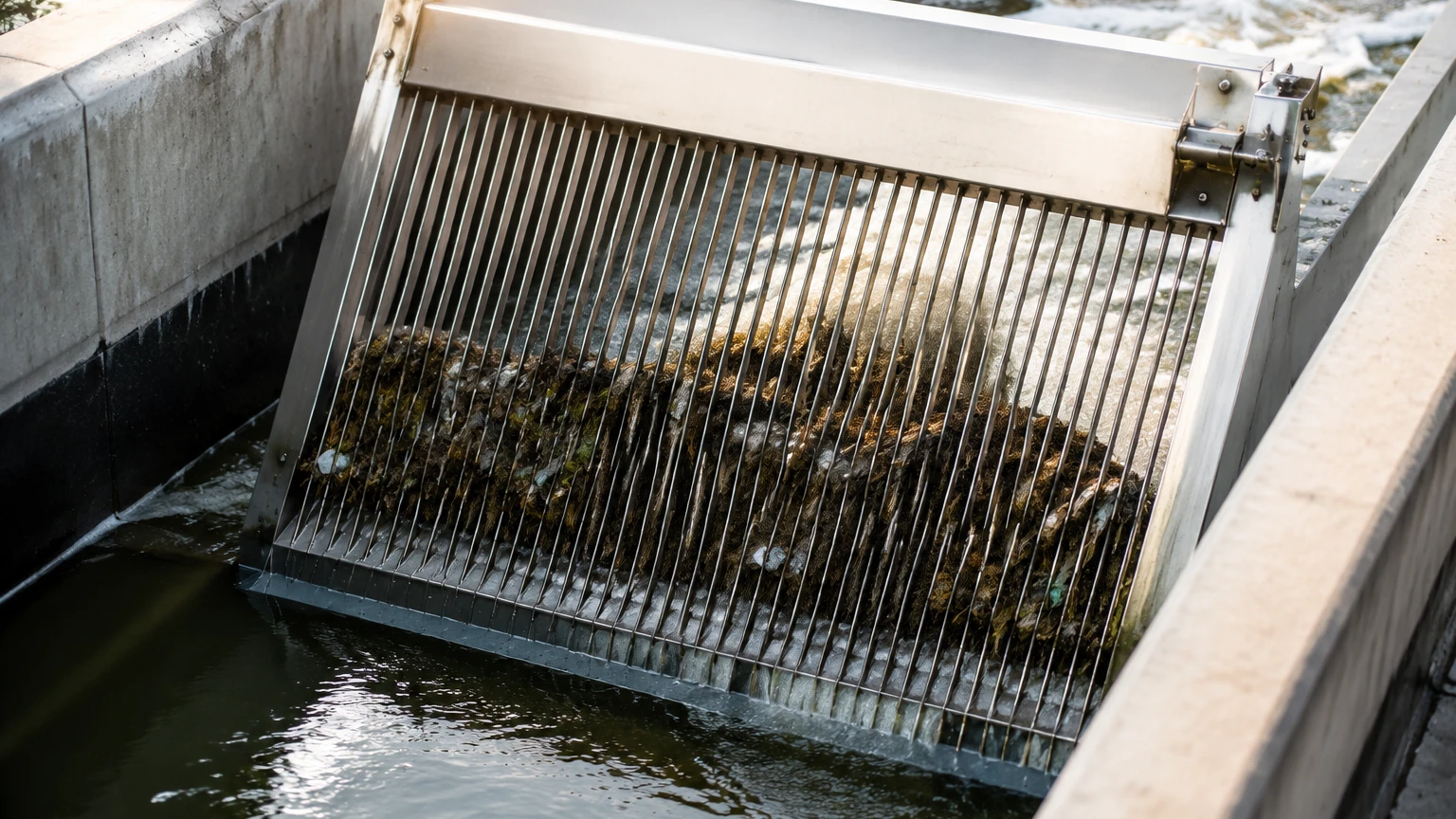
In the architectural hierarchy of a modern wastewater facility, the preliminary treatment stage serves as the critical first line of defense. At the heart of this stage is the bar screen wastewater treatment plant component, a mechanical filtering device designed to remove large objects from the influent flow. By intercepting debris such as rags, plastics, wood, and stones, bar screens protect downstream equipment—including pumps, valves, and aeration systems—from damage, clogging, and operational inefficiency.
For engineers and facility managers, selecting the correct screening technology is not merely a matter of debris removal; it is a strategic decision that impacts the hydraulic profile of the entire plant and the total cost of ownership. This guide examines the technical specifications, material considerations, and engineering principles behind effective bar screening solutions.
The Role of Bar Screens in Preliminary Treatment
The primary objective of a bar screen in a wastewater treatment plant is to provide physical separation. Raw influent often contains a diverse array of non-biodegradable solids that can cause catastrophic failure in mechanical systems. If these materials are allowed to pass into primary clarifiers or secondary biological treatment stages, they can wrap around impellers, block piping, or settle in digestion tanks, necessitating expensive manual cleanouts.
Beyond equipment protection, efficient screening reduces the organic load on subsequent processes. By capturing solids early, the plant can optimize the performance of grit chambers and primary settling tanks. The efficiency of a bar screen is typically measured by its capture rate and its ability to maintain flow without causing excessive head loss, which could lead to upstream flooding or bypass events.
Classification of Bar Screens: Coarse vs. Fine
Bar screens are generally categorized based on the clear opening between the bars or the size of the mesh apertures. The choice between coarse and fine screening depends on the specific requirements of the downstream processes and the characteristics of the influent.
Coarse Screens
Coarse screens typically have openings ranging from 6 mm to 150 mm. They are used as the very first stage of treatment to catch large debris. These are often categorized into:
* Trash Racks: Designed for the largest debris, often found at the intake of large municipal plants.
* Manually Cleaned Coarse Screens: Used in smaller plants or as emergency bypasses. They require frequent manual labor and are prone to sudden clogging during storm events.
* Mechanically Cleaned Coarse Screens: These utilize automated raking mechanisms to remove trapped solids, significantly reducing labor costs and improving hydraulic consistency.
Fine Screens
Fine screens feature openings smaller than 6 mm. In modern facilities, especially those utilizing Membrane Bioreactors (MBR) or advanced biological processes, fine screening is mandatory. These screens often utilize precision metal components, such as wedge wire or perforated plates, to achieve high capture rates of smaller particulates that coarse screens would miss. High-performance fine screens are essential for protecting sensitive membranes from hair and fibrous materials.
Engineering Specifications and Material Selection
The environment within a bar screen wastewater treatment plant is exceptionally harsh. Components are subjected to constant immersion, abrasive grit, and corrosive gases such as hydrogen sulfide (H2S). Consequently, material selection is the most significant factor in determining the lifespan of the filtration system.
Stainless Steel Dominance
Stainless steel is the industry standard for bar screen construction due to its superior corrosion resistance and mechanical strength.
* Grade 304 Stainless Steel: Suitable for standard municipal wastewater applications with moderate chloride levels.
* Grade 316 Stainless Steel: Recommended for industrial wastewater, coastal installations, or environments with high chemical concentrations. The addition of molybdenum in 316 SS provides enhanced resistance to pitting and crevice corrosion.
Structural Integrity and Bar Profile
The geometry of the bars themselves influences both filtration efficiency and cleaning ease. Teardrop-shaped or trapezoidal (wedge wire) profiles are often preferred over rectangular bars. These shapes minimize the contact area for solids, reducing the likelihood of "blinding" (permanent clogging) and allowing for more efficient cleaning by the mechanical rakes.
Hydraulic Performance and Design Parameters
Engineers must balance the need for high solids capture with the requirement for minimal hydraulic resistance. Several key parameters dictate the design of a bar screen installation:
1. Approach Velocity: The velocity of the wastewater as it reaches the screen. It must be high enough (typically above 0.4 m/s) to prevent grit from settling in the channel but low enough (below 0.9 m/s) to prevent solids from being forced through the screen openings.
2. Head Loss: The drop in water level across the screen. Excessive head loss indicates a clogged screen or an undersized unit. It is calculated using the Bernoulli equation, factoring in the bar shape, the angle of inclination, and the percentage of open area.
3. Angle of Inclination: Bar screens are typically installed at an angle between 60 and 90 degrees. A steeper angle reduces the footprint of the installation, while a shallower angle can facilitate easier mechanical raking and provide a larger effective screening area.
Maintenance, Cleaning Mechanisms, and Operational Longevity
The longevity of a bar screen wastewater treatment plant depends heavily on the reliability of its cleaning mechanism. Automated systems are generally preferred to ensure continuous operation and consistent head loss management.
* Chain-Driven Rakes: These use a continuous chain to move rakes across the screen surface. While effective, the underwater moving parts are subject to wear and require regular lubrication and inspection.
* Reciprocating Rakes (Climber Screens): All drive components are located above the water level, which simplifies maintenance and protects the mechanical drive from the corrosive influent.
* Continuous Belt Screens: These use a series of screening panels that move in a continuous loop, providing high-capacity fine screening.
Regular maintenance protocols should include the inspection of bar alignment, tensioning of drive chains, and the replacement of wear strips. For plants utilizing custom stainless steel filtration components, ensuring that replacement parts meet the original engineering tolerances is vital for maintaining the system’s hydraulic balance.
Customization and OEM Solutions for Industrial Filtration
While municipal plants often use standardized screen sizes, industrial wastewater applications—such as those in chemical processing, food and beverage, or pharmaceuticals—frequently require customized filtration solutions. Industrial influent may contain specific types of fibrous waste or chemical byproducts that standard bar screens cannot effectively manage.
Customized stainless steel filter cartridges and precision wire mesh components allow for tailored filtration accuracy. By working with a manufacturer that specializes in OEM filtration components, engineers can specify exact bar spacings, material grades, and structural reinforcements to meet the unique demands of their facility. For those seeking detailed specifications on high-performance metal filtration components, you can Review product options and application support to find solutions that align with specific hydraulic and chemical requirements.
Key Considerations for Technical Procurement
When specifying or purchasing components for a bar screen wastewater treatment plant, technical teams should confirm the following factors to ensure long-term performance:
* Total Open Area: Calculate the effective open area to ensure the screen can handle peak flow events without causing upstream overflows.
* Screenings Volume: Estimate the volume of solids to be removed to properly size the screenings handling equipment (washers, compactors, and conveyors).
* Compatibility with Downstream Processes: If the plant utilizes MBR technology, the primary screening must be significantly finer than in a traditional activated sludge plant.
* Ease of Component Replacement: Ensure that individual bars or mesh panels can be replaced without dismantling the entire mechanical frame. This reduces downtime during scheduled maintenance.
* Corrosion Protection: Confirm that all fasteners, chains, and support structures are made of compatible stainless steel grades to prevent galvanic corrosion.
Conclusion
The bar screen is a fundamental component of the wastewater treatment process, serving as the primary safeguard for the plant’s mechanical and biological integrity. Through careful consideration of material science, hydraulic design, and mechanical cleaning methods, engineers can implement screening solutions that minimize maintenance costs and maximize operational uptime. As treatment standards become more stringent and downstream technologies more sensitive, the importance of high-quality, precision-engineered metal filtration components will only continue to grow. Whether for municipal infrastructure or specialized industrial applications, the right screening strategy is the foundation of efficient water resource recovery.
