


How to Do Backwash Filter
In industrial filtration, the ability to maintain continuous operation while managing solid-liquid separation is critical for system efficiency. Backwashing is a specialized cleaning technique used primarily in permanent, cleanable filter systems—such as those utilizing stainless steel wire mesh or sintered metal cartridges—to remove accumulated contaminants without necessitating the complete disassembly of the housing. For engineers and maintenance teams, understanding how to do backwash filter procedures correctly is essential for extending the service life of the filter media and ensuring the integrity of the downstream process.
This guide provides a technical overview of the backwashing process, the engineering principles that govern its success, and the specific steps required to execute an effective cleaning cycle in industrial environments.
The Principles of Backwash Filtration
Backwashing, often referred to as "reverse flow cleaning," operates on the principle of hydraulic reversal. During normal filtration, the process fluid flows through the filter media from the "dirty" side to the "clean" side (typically outside-in or inside-out, depending on the vessel design). Over time, particles larger than the filter’s micron rating accumulate on the surface of the media, forming what is known as a filter cake. While this cake can initially improve filtration efficiency by acting as a secondary depth medium, it eventually increases the resistance to flow.
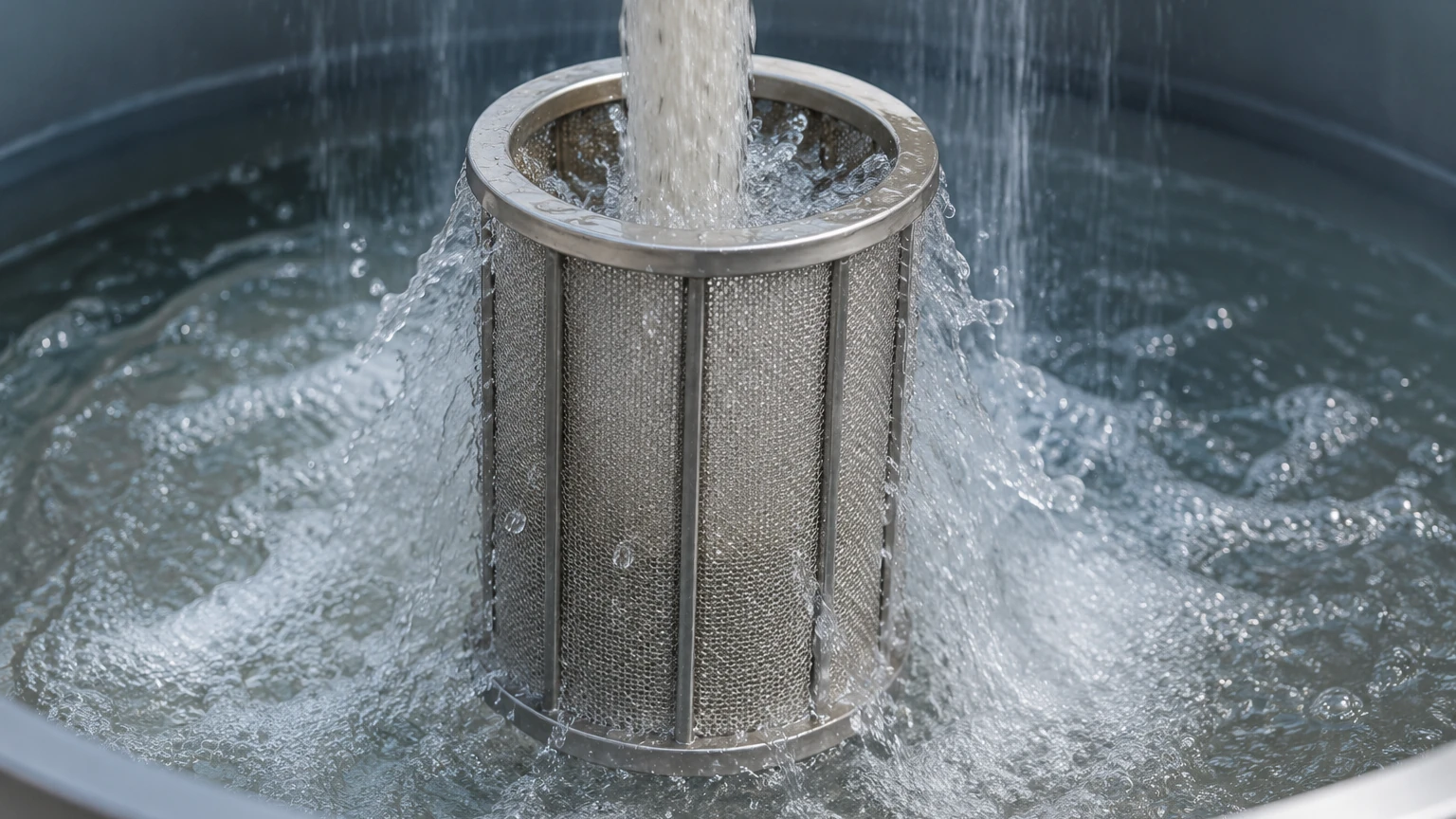
When the resistance reaches a predetermined threshold, the backwash cycle is initiated. By reversing the flow of the fluid (or introducing a secondary cleaning fluid), the pressure pushes the accumulated cake and embedded particles away from the media surface and out through a discharge valve. The success of this operation depends on the mechanical strength of the filter media, as it must withstand the reverse pressure without deforming.
How to Do Backwash Filter: A Step-by-Step Technical Procedure
Executing a backwash cycle requires precision to ensure the media is cleaned thoroughly without causing water hammer or mechanical fatigue. While automated systems handle these steps via a Programmable Logic Controller (PLC), the following manual sequence outlines the fundamental logic used in industrial applications.
1. Monitoring Differential Pressure (ΔP)
Before initiating a backwash, engineers must identify the optimal trigger point. Most industrial stainless steel filters are designed to operate until a specific differential pressure is reached—typically between 0.7 to 1.0 bar (10-15 psi) above the clean pressure drop. Waiting too long can lead to "cake compression," where the contaminants become so tightly packed that reverse flow cannot dislodge them.
2. System Isolation and Pressure Stabilization
In a manual setup, the inlet valve to the filter housing is closed to stop the forward flow. If the system is part of a duplex or multi-round configuration, the flow is diverted to a secondary filter to ensure process continuity. It is vital to ensure that the system pressure is stabilized before reversing the flow to prevent sudden mechanical shocks to the wire mesh components.
3. Opening the Backwash Discharge Valve
The discharge or "drain" valve is opened to provide a path for the waste slurry. This valve is typically located at the bottom of the housing or on the original inlet side, depending on the flow configuration. This creates a low-pressure exit point for the cleaning fluid.
4. Initiating Reverse Flow
Clean fluid—either the filtrate itself or an external source like deionized water or compressed air—is introduced from the "clean" side of the filter. To effectively learn how to do backwash filter operations, one must understand that the velocity of the backwash fluid must be higher than the original filtration velocity. This high-velocity flow creates the necessary shear force to lift particles out of the mesh pores.
5. Managing the Duration of the Cycle
A backwash cycle typically lasts from 30 seconds to several minutes. The duration is determined by observing the clarity of the discharge fluid. In technical environments, turbidity sensors may be used to signal the end of the cycle once the waste stream reaches a specific cleanliness level.
6. Returning to Service
Once the backwash is complete, the discharge valve is closed, and the inlet valve is slowly reopened. It is common practice to perform a "forward flush" for a few seconds to ensure any residual backwash fluid is purged before the filtrate is sent back to the main process line.
Engineering Considerations for Backwashable Systems
Not every filter is suitable for backwashing. The design of the internal components must account for the stresses of bidirectional flow. When reviewing specifications on the Main Page, engineers should focus on several key technical factors:
* Mechanical Integrity of the Media: Disposable pleated paper or polymer cartridges will collapse under reverse pressure. Backwashable systems require rigid media, such as sintered stainless steel or heavy-duty wire mesh reinforced with a perforated metal core.
* Flow Velocity Requirements: The backwash flow rate should generally be 1.5 to 2 times the process flow rate. If the velocity is too low, the fluid will follow the path of least resistance through already-cleaned areas, leaving "blind spots" on the rest of the filter.
* Fluid Compatibility: If using an external backwash fluid, it must be chemically compatible with both the filter media and the process fluid to prevent contamination or precipitation reactions.
Why Stainless Steel is Preferred for Backwashing
In industries such as chemical processing and oil and gas, stainless steel (typically Grade 304 or 316L) is the standard for backwashable filters. This preference is due to several material properties:
1. Pressure Resistance: Stainless steel can withstand the high-pressure pulses required to dislodge sticky or cohesive solids.
2. Thermal Stability: Many backwash procedures involve steam or hot water to help break down oils or biological films. Metal filters maintain their structural integrity at temperatures where plastics would soften.
3. Corrosion Resistance: In water treatment or pharmaceutical applications, the media must resist corrosion from both the process fluid and the cleaning agents used during the backwash cycle.
Common Risks and Troubleshooting
Even when following the correct steps for how to do backwash filter maintenance, certain issues can arise that compromise filtration efficiency.
Incomplete Cleaning (Fouling)
If the backwash cycle is too short or the pressure is insufficient, a residual layer of contaminants may remain. Over several cycles, this leads to "permanent fouling," where the clean pressure drop gradually rises until the filter must be removed for ultrasonic cleaning or chemical soaking.
Media Blinding
Media blinding occurs when particles are forced deep into the pores of the mesh during the filtration cycle and cannot be removed by reverse flow. This is often a result of selecting a micron rating that is too close to the particle size distribution of the contaminants. In these cases, a staggered filtration approach (coarse pre-filter followed by a fine filter) is recommended.
Mechanical Fatigue
Repeated backwash pulses can lead to metal fatigue in non-reinforced wire mesh. It is essential to inspect the pleats and seams of the filter cartridges periodically for signs of cracking or bypass. Using sintered metal fiber or multi-layered sintered mesh can significantly mitigate this risk by providing a more robust, monolithic structure.
Optimizing the Backwash Cycle for Cost Efficiency
For purchasing teams and plant managers, the goal is to balance filtration quality with the total cost of ownership (TCO). While backwashable filters have a higher initial capital expenditure than disposable filters, they offer significant long-term savings by eliminating the cost of replacement cartridges and reducing hazardous waste disposal.
To optimize the cycle:
* Automate based on ΔP: Relying on manual intervention often leads to delayed cleaning, which increases energy consumption as pumps work harder to overcome the resistance of a dirty filter.
* Use Air-Assisted Backwash: In some applications, introducing a burst of compressed air with the backwash fluid (air scouring) can significantly improve cleaning efficiency while reducing the volume of liquid waste generated.
* Monitor Backwash Volume: Excessive backwashing wastes process fluid or treated water. Fine-tuning the timer settings based on seasonal variations in fluid quality can reduce operational costs.
Conclusion
Understanding how to do backwash filter procedures is a fundamental requirement for maintaining high-performance industrial filtration systems. By following a disciplined approach to pressure monitoring, flow reversal, and media selection, facilities can ensure consistent product purity and minimize downtime. For those designing new systems or upgrading existing ones, selecting high-quality stainless steel components is the first step toward a reliable, self-cleaning filtration solution. For more detailed specifications on custom filtration hardware, engineers can review product options and application support on the Main Page.
