


Baghouse Dust Systems
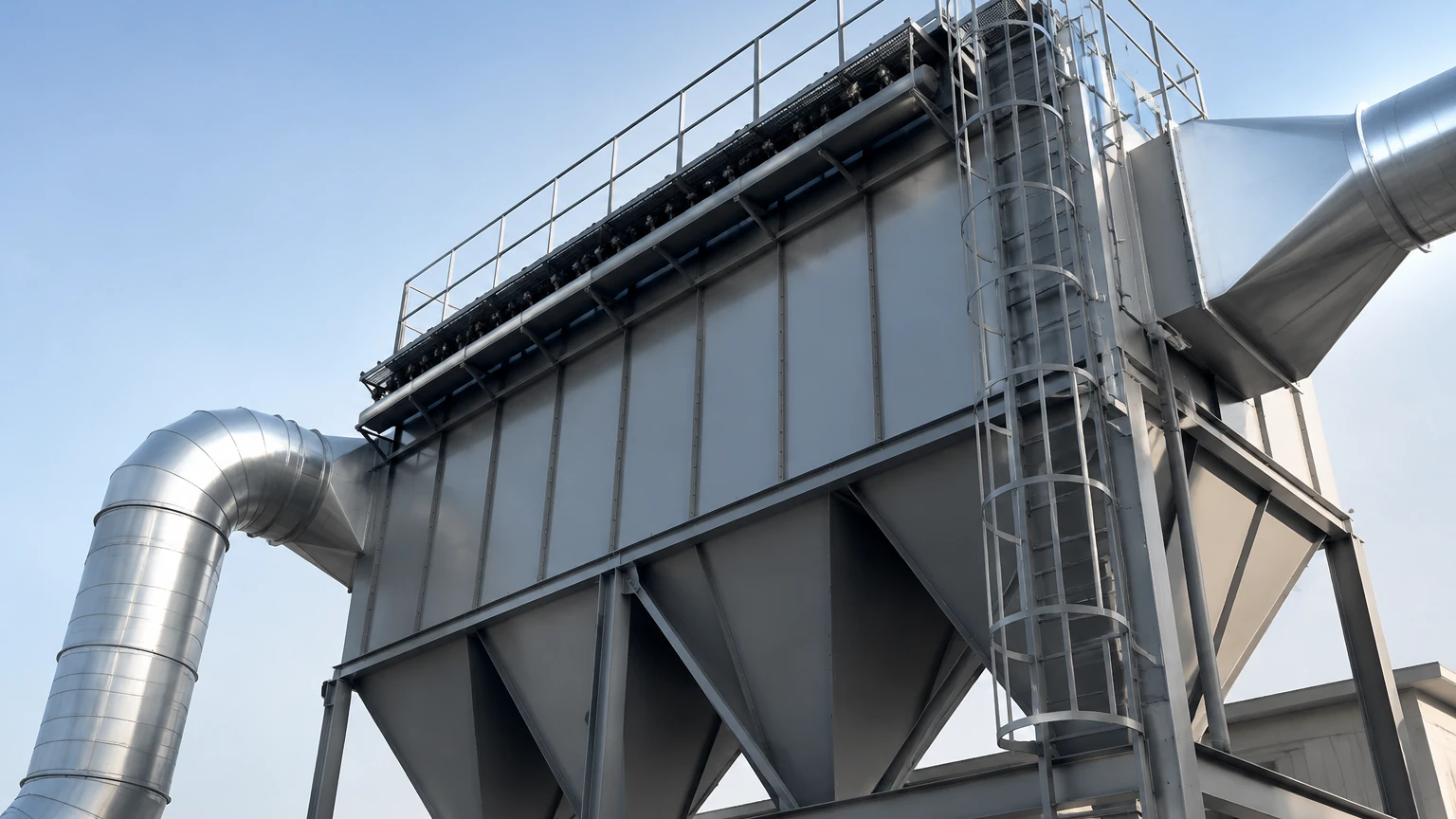
In industrial environments, maintaining air quality and managing particulate matter is a critical operational requirement. Baghouse dust systems, also known as fabric filters or dust collectors, serve as the primary defense against airborne contaminants in sectors ranging from chemical processing to food production. These systems are engineered to remove dry particulates from gas streams, ensuring regulatory compliance and protecting downstream equipment. While the term "baghouse" often implies the use of fabric media, the evolution of industrial filtration has introduced high-performance metal components and stainless steel filter cartridges that offer superior durability in demanding conditions.
For engineers and procurement professionals, understanding the technical nuances of baghouse dust systems is essential for optimizing filtration efficiency and minimizing the total cost of ownership. This guide examines the engineering principles, material considerations, and evaluation criteria necessary for selecting and maintaining effective industrial filtration solutions.
The Fundamental Mechanics of Baghouse Dust Systems
Baghouse dust systems operate on the principle of separation, where dust-laden gas is pulled or pushed through a filter medium. As the gas passes through the media, particulates are trapped on the surface or within the structure of the filter, while clean air is exhausted. The efficiency of this process depends on several physical mechanisms, including inertial impaction, interception, and diffusion.
There are three primary methods for cleaning the accumulated dust (the "dust cake") from the filters, which defines the system type:
1. Pulse-Jet Systems: These use high-pressure compressed air to create a shockwave that dislodges dust from the filter media. Pulse-jet systems are favored for their ability to operate continuously without shutting down for cleaning cycles.
2. Shaker Systems: Mechanical shaking is used to vibrate the filters and release the dust into a hopper. These typically require the system to be offline during the cleaning phase.
3. Reverse-Air Systems: A fan provides a low-pressure flow of air in the opposite direction of the filtration flow, causing the filter bags to collapse slightly and release the dust.
While traditional baghouses utilize felted or woven fabrics, modern industrial applications—particularly those involving high temperatures or corrosive chemicals—increasingly rely on stainless steel wire mesh and precision metal filter components to ensure structural integrity and consistent performance.
Material Engineering: Why Stainless Steel Components Matter
In many industrial baghouse dust systems, standard fabric bags reach their physical limits when exposed to extreme heat, abrasive particles, or chemically aggressive gas streams. This is where stainless steel filtration solutions provide a significant engineering advantage. As a specialized manufacturer, Kaifil provides customized stainless steel filter cartridges and wire mesh components designed to withstand environments that would degrade synthetic fibers.
Thermal Stability
Stainless steel 304, 316, and 316L alloys maintain their mechanical properties at temperatures far exceeding the limits of polyester or aramid fibers. In applications like metal smelting or high-temperature chemical synthesis, metal filter media prevent thermal degradation and the risk of fire within the collector.
Chemical Resistance
Corrosive gases, such as those containing sulfur oxides or acidic vapors, can rapidly weaken fabric media. Stainless steel components offer superior resistance to oxidation and chemical attack, extending the service life of the filtration system and reducing the frequency of unplanned maintenance.
Mechanical Strength and Abrasion Resistance
High-velocity gas streams carrying abrasive dust can cause premature wear on soft filter media. Precision-engineered wire mesh filters provide the rigidity and abrasion resistance needed to maintain filtration accuracy over long operational cycles. This durability is particularly vital in hydraulic and heavy industrial sectors where system pressure fluctuations are common.
Critical Evaluation Criteria for Industrial Filtration Efficiency
When evaluating components for baghouse dust systems, engineers must look beyond the initial purchase price and focus on performance metrics that impact long-term reliability. The following criteria are essential for technical assessment:
Air-to-Cloth Ratio
The air-to-cloth (A/C) ratio, also known as the filtration velocity, is the volume of gas passing through a square foot of filter media per minute (CFM/ft²). A lower A/C ratio generally leads to higher filtration efficiency and longer filter life, as it reduces the pressure drop and the force with which particles impact the media.
Micron Rating and Filtration Accuracy
Defining the required micron rating is critical. Whether the application requires coarse filtration or sub-micron particle capture, the filter media must be selected to match the particle size distribution of the dust. Stainless steel wire mesh allows for highly precise pore size control, ensuring that the system captures specific contaminants without unnecessary airflow restriction.
Pressure Drop (Delta P)
The pressure drop across the filter media indicates the resistance to airflow. A high Delta P suggests that the filters are blinded or that the system is undersized, leading to increased energy consumption by the exhaust fans. Selecting high-permeability metal filters can help maintain a stable, low pressure drop even under heavy dust loads.
For more detailed technical specifications and to explore various filtration options, engineers can visit the Main Page of the Kaifil website to review product options and application support.
Addressing Common Operational Risks in Dust Collection
Operating baghouse dust systems involves managing several risks that can lead to system failure or environmental non-compliance. Identifying these risks early in the design or procurement phase is essential.
* Filter Blinding: This occurs when fine particles become embedded in the filter media and cannot be removed by the cleaning cycle. Blinding leads to a permanent increase in pressure drop and reduced airflow. Using pleated stainless steel cartridges can increase the available surface area, reducing the face velocity and mitigating the risk of blinding.
* Bypass Leaks: Even a small hole in a filter or a poor seal at the tube sheet can allow significant amounts of dust to bypass the system. Metal filter components often feature more robust sealing mechanisms, such as machined flanges or high-temperature gaskets, to prevent leakage.
* Moisture and Hygroscopic Dust: If the gas stream cools below its dew point, moisture can condense on the filters. When mixed with dust, this creates a "mud" that is nearly impossible to remove via pulse-jet cleaning. In such cases, heated housings or specialized hydrophobic coatings on metal mesh may be required.
Customization and OEM Integration for Specialized Applications
No two industrial processes are identical, which makes customization a vital part of the procurement process for baghouse dust systems. Off-the-shelf solutions often fail to meet the specific spatial constraints or performance requirements of specialized machinery.
Kaifil specializes in OEM and customized filtration solutions, working closely with global customers to develop components that fit unique system architectures. Customization options include:
* Variable Geometry: Designing filter cartridges with specific diameters, lengths, and end-cap configurations to fit existing baghouse housings.
* Multi-Layer Mesh Sintering: Combining different layers of stainless steel wire mesh to achieve a balance between filtration fineness and structural strength.
* Pleated Designs: Increasing the effective filtration area within a compact footprint, which is particularly useful for upgrading existing systems to handle higher airflows.
By focusing on customized designs, engineers can optimize the performance of their dust collection systems without the need for extensive structural modifications to the facility.
Maintenance, Cleaning, and Total Cost of Ownership
While the initial cost of stainless steel filtration components may be higher than that of disposable fabric bags, the total cost of ownership (TCO) is often lower due to extended service life and reduced maintenance labor.
Maintenance of baghouse dust systems should include regular inspections of the pulse-jet valves, compressed air headers, and discharge hoppers. For metal filters, the ability to be cleaned and reused is a significant advantage. Unlike fabric bags, which are typically discarded after they become blinded, stainless steel cartridges can often be cleaned using ultrasonic baths, chemical washing, or high-pressure water, depending on the nature of the contaminant.
Engineers should establish a clear replacement cycle based on the observed pressure drop and the physical condition of the media. Implementing a predictive maintenance schedule helps prevent catastrophic failures and ensures that the system continues to operate within its designed efficiency parameters.
Technical Checklist for Engineering Procurement
Before finalizing a purchase for baghouse dust systems or replacement components, technical professionals should confirm the following information:
1. Gas Stream Characteristics: What is the maximum operating temperature, moisture content, and chemical composition of the gas?
2. Particulate Profile: What is the particle size distribution (PSD), and are the particles abrasive, sticky, or explosive?
3. Regulatory Requirements: What are the local emission limits (e.g., mg/m³) that the system must satisfy?
4. Operational Duty Cycle: Will the system run continuously or in batches? This affects the choice of cleaning mechanism.
5. Interface Compatibility: Do the replacement filters match the existing tube sheet hole sizes and sealing requirements?
By addressing these factors, purchasing teams can ensure they select a filtration solution that provides reliable, long-term performance in demanding industrial environments. For further assistance in developing high-performance filter products that meet specific application requirements, consulting with a manufacturer experienced in precision metal filtration is recommended. Detailed information on material selection and customized designs can be found on the Main Page of the manufacturer's site.
