


Sparger Steam
In the landscape of industrial thermal management and process engineering, the direct injection of steam into liquids—commonly referred to as steam sparging—represents one of the most efficient methods for heating, agitation, and sterilization. Unlike indirect heating methods such as jackets or internal coils, sparger steam systems deliver thermal energy directly into the process fluid, eliminating the thermal resistance associated with heat exchanger walls. This technical guide explores the engineering principles, material requirements, and operational considerations for implementing high-performance steam sparging solutions in industrial environments.
The Mechanics of Steam Sparging in Industrial Processes
Steam sparging is the process of introducing pressurized steam into a liquid through a submerged distribution device. The primary objective is to achieve rapid heat transfer or to facilitate a chemical reaction through the latent heat of vaporization. When steam is injected, it undergoes a phase change, condensing back into water and releasing a significant amount of energy (approximately 2,257 kJ/kg at atmospheric pressure).
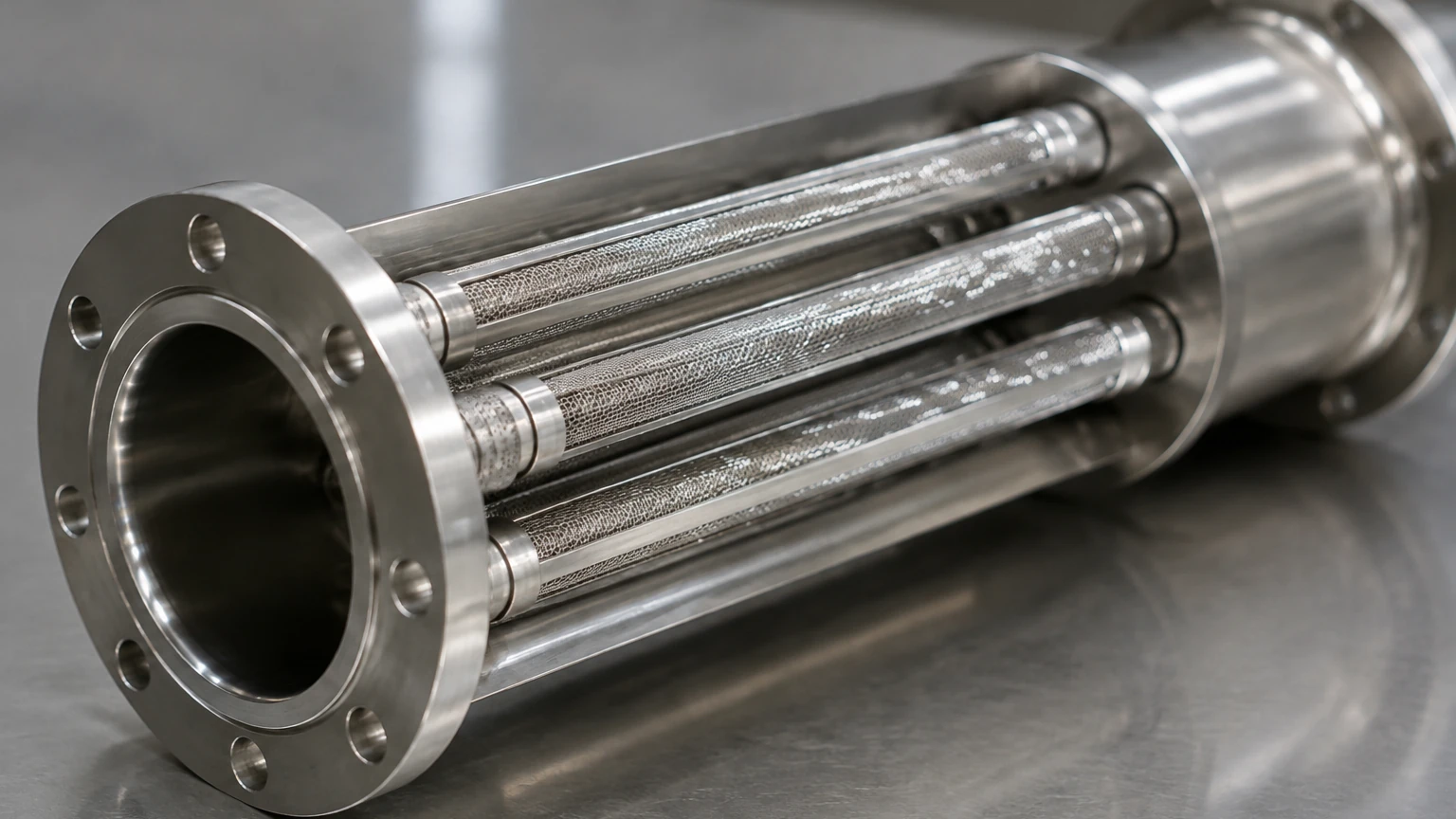
For engineers, the efficiency of this process is dictated by the surface area of the steam bubbles. Large, buoyant bubbles tend to rise quickly to the surface and escape into the headspace, leading to "steam breakthrough" and significant energy loss. To prevent this, precision-engineered spargers utilize porous media—often sintered stainless steel or multi-layer wire mesh—to break the steam flow into millions of micro-bubbles. This massive increase in surface area ensures that the steam condenses completely within the liquid, maximizing thermal efficiency and reducing the time required to reach target temperatures.
Material Engineering for Sparger Steam Applications
Selecting the correct material for a steam sparger is critical due to the harsh operating conditions. Steam systems are characterized by high temperatures, pressure fluctuations, and, in many cases, corrosive chemical environments.
Stainless Steel 316L
Stainless steel, particularly the 316L grade, is the industry standard for steam sparging components. Its high chromium and molybdenum content provide excellent resistance to pitting and crevice corrosion, which is essential when dealing with treated boiler water or aggressive process fluids. Furthermore, 316L maintains its structural integrity at the elevated temperatures required for high-pressure steam applications.
Sintered Porous Media
At the core of a high-efficiency sparger is the porous element. Manufacturers like Kaifil specialize in creating sintered metal structures that offer controlled porosity. Unlike drilled pipes, which produce large, inconsistent bubbles, sintered metal spargers provide a uniform distribution of pores. These pores can be calibrated to specific micron ratings (ranging from 0.5 to 100 microns) to suit the viscosity of the liquid and the required heating rate. On the Main Page of technical filtration providers, engineers can often find specifications regarding the mechanical strength and permeability of these sintered components.
Critical Design Parameters for Efficient Steam Injection
Designing a steam sparging system requires a balance between flow rate, pressure drop, and bubble dynamics. Engineers must consider the following factors to ensure long-term reliability and performance:
1. Exit Velocity: The velocity of the steam as it exits the porous media must be carefully controlled. If the velocity is too high, it can lead to erosion of the sparger surface or localized cavitation. Conversely, if it is too low, the liquid may penetrate the pores, leading to internal scaling or clogging.
2. Pressure Differential (ΔP): A sufficient pressure drop across the sparger element is necessary to ensure uniform distribution along the entire length of the device. Without an adequate ΔP, the steam will follow the path of least resistance, typically exiting only at the inlet end of the sparger.
3. Pore Size Selection: Smaller pores create smaller bubbles and better heat transfer but are more susceptible to fouling if the steam or the process liquid contains particulates. Larger pores are more robust but may require a deeper tank to allow for complete steam condensation.
4. Mechanical Loading: Steam spargers are subject to significant mechanical stress caused by thermal expansion and the momentum of the steam flow. Support structures and connection points must be designed to accommodate these forces without failing.
Industrial Applications: From Sterilization to Tank Heating
Sparger steam systems are utilized across a wide array of industries, each with specific requirements for hygiene, durability, and control.
Food and Beverage Processing
In the food industry, steam sparging is used for the direct heating of soups, sauces, and juices. It is also a critical component of Sterilization-in-Place (SIP) systems for tanks and piping. Because the steam comes into direct contact with the product, the sparger must be made of food-grade materials and designed for easy cleaning (CIP compatibility) to prevent bacterial growth.
Chemical and Petrochemical Industry
Chemical reactors often require rapid temperature adjustments to control exothermic or endothermic reactions. Steam sparging provides the necessary agility. In these environments, the chemical compatibility of the sparger material with the reactants is the primary concern. Sintered Hastelloy or other nickel alloys may be used if 316L stainless steel is insufficient for the chemical load.
Pharmaceutical Manufacturing
Precision is paramount in pharmaceutical applications. Steam spargers are used to maintain precise temperatures in bioreactors and to sterilize media. The spargers must produce a very fine mist of steam to avoid localized "hot spots" that could denature sensitive proteins or biological agents.
Mitigating Operational Risks: Noise, Vibration, and Clogging
While highly efficient, steam sparging systems are not without operational challenges. Engineers must proactively address the following issues during the design phase:
Steam Hammer and Vibration
Steam hammer occurs when steam bubbles collapse rapidly in a cooler liquid, creating shockwaves. This can lead to loud noise and severe vibration that can damage the sparger, the tank, and the surrounding piping. Using porous metal spargers significantly reduces this risk by creating smaller bubbles that collapse more gently and uniformly than the large bubbles produced by perforated pipes.
Scaling and Clogging
In applications involving hard water or liquids with high solids content, scaling can occur on the surface of the sparger. Over time, this increases the pressure drop and reduces the heating efficiency. Regular maintenance cycles, including ultrasonic cleaning or chemical descaling, are necessary. For systems where downtime must be minimized, redundant sparger assemblies can be installed to allow for cleaning without stopping the process.
Thermal Shock
Rapidly introducing high-temperature steam into a cold vessel can cause thermal shock. Sintered stainless steel is naturally resilient to thermal cycling, but the assembly design—including welds and threaded connections—must be engineered to distribute thermal stresses evenly.
Selection Guide for Engineering and Procurement Teams
When sourcing components for a sparger steam system, procurement teams should look beyond the initial purchase price and consider the total cost of ownership (TCO). A lower-quality sparger may save costs upfront but lead to higher energy bills due to steam breakthrough or frequent replacements due to mechanical failure.
Key questions to ask suppliers include:
* What is the maximum operating pressure and temperature for the sintered element?
* Can the pore size be customized to meet specific heat transfer requirements?
* What documentation is provided for material traceability (e.g., Mill Test Reports)?
* Are there specific installation guidelines to minimize vibration and steam hammer?
For many complex industrial projects, a custom-engineered solution is superior to off-the-shelf components. Manufacturers specializing in stainless steel filtration can provide the necessary engineering support to size the sparger correctly based on the tank volume, liquid properties, and desired temperature ramp rate.
Conclusion
Sparger steam technology remains a cornerstone of modern industrial processing due to its unparalleled heat transfer efficiency and versatility. By utilizing advanced materials like sintered stainless steel and adhering to rigorous engineering standards, facilities can achieve precise temperature control while minimizing energy waste and operational risks. Whether for sterilization in a pharmaceutical plant or bulk heating in a chemical refinery, the choice of sparger design and material is the determining factor in system longevity and performance. For those seeking reliable, high-precision filtration and sparging components, reviewing specialized manufacturing capabilities on a professional Main Page is a vital step in the procurement process.
